

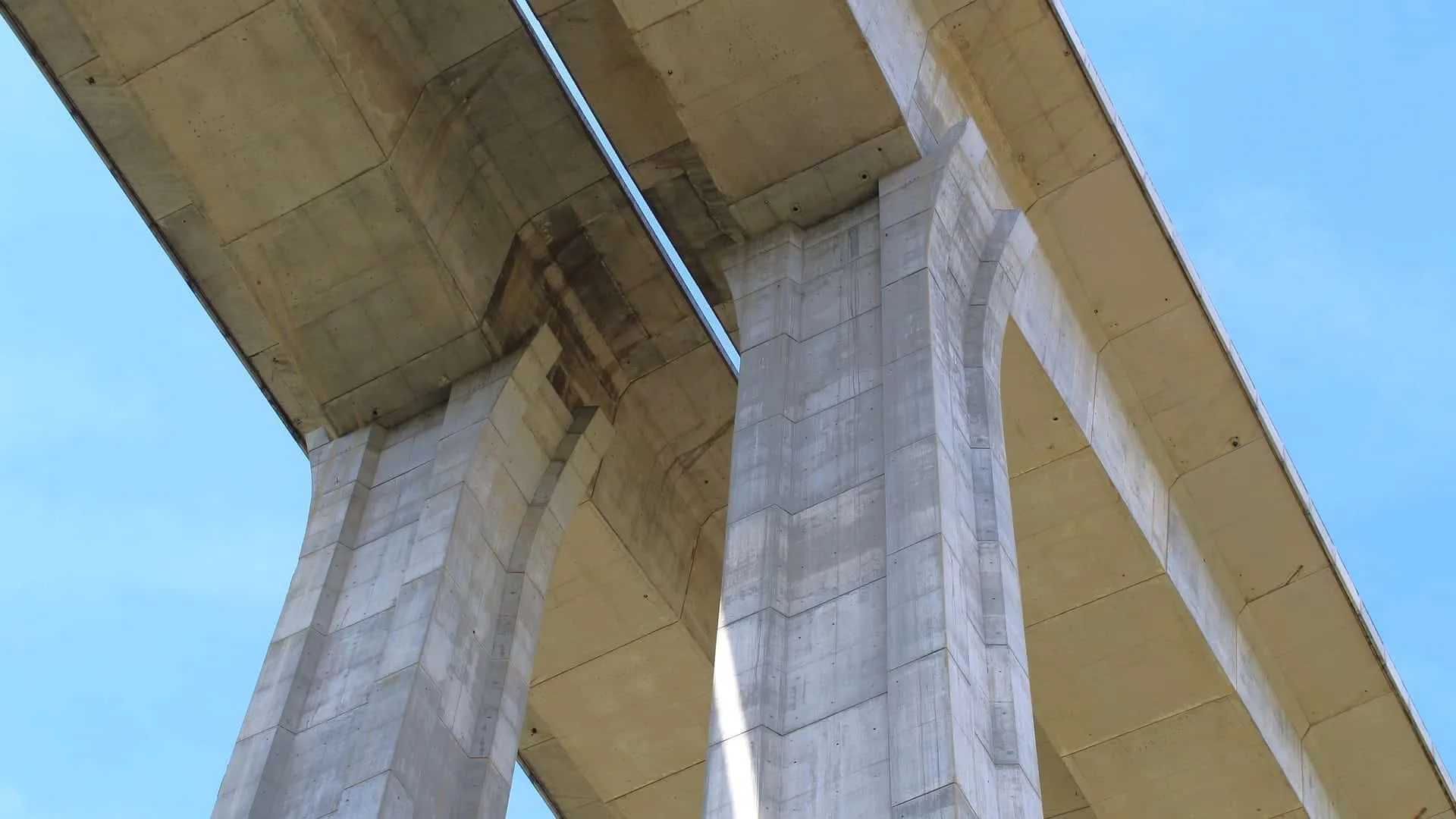
Slope monitoring that reports movement, before anything happens.
Wireless monitoring for embankments, retaining walls, rock faces and guardrails. Deformations, crack widths and ground movements are detected in real time and trigger an alert immediately, retrofittable and energy-autonomous, even on remote routes.
Benefits for operators
Your advantage in slope monitoring and route inspection
Whether highway authority, municipality, railway operator or geotechnical engineer: you monitor slope, rock and guardrail permanently instead of inspecting at fixed intervals, and react as soon as something actually moves.
Request a quoteRemote routes in view
Even distant or hard-to-reach sections are monitored continuously, without anyone needing to be on site.
Secure accident hotspots
Hazardous areas, exposed embankments and accident hotspots can be fitted with sensors in a targeted way.
Immediate alerting
If a deformation occurs, for example from rockfall or a vehicle impact, the system triggers an alert immediately.
Permanent condition monitoring
Instead of selective inspection drives, slope monitoring delivers a continuous trend over weeks and months.
Cost-efficient and retrofittable
The sensors can be retrofitted to existing structures and do not strain the budget the way a structural solution would.
Long route sections
Extended embankments, guardrails and catch fences over many metres of length can also be covered.
Areas of application
What we monitor on slope, rock and road
From ground movement to a deformed guardrail: the right wireless sensor for every risk.
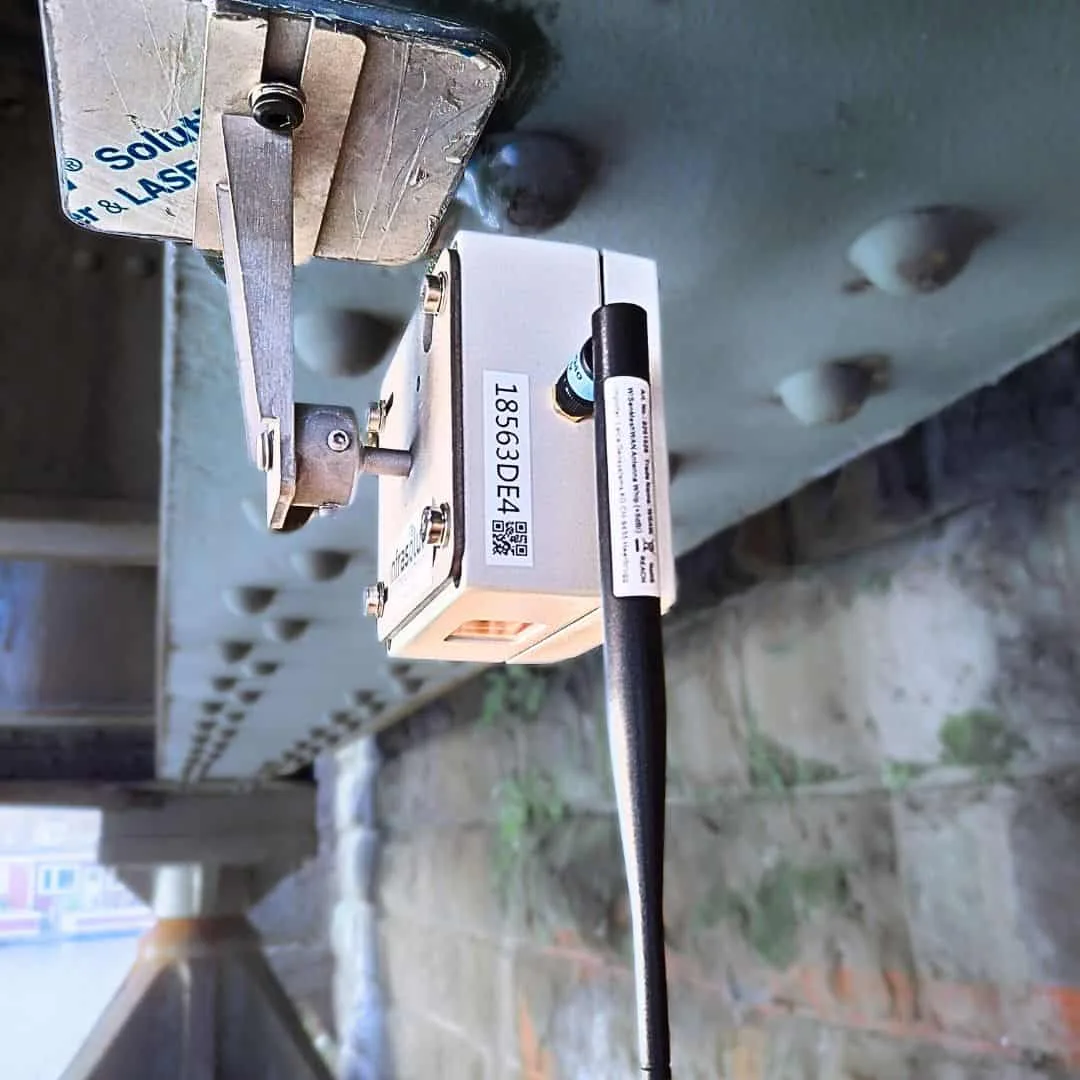
Slope & embankment
Detect landslides, settlement and ground movement early. Tilt sensors report when the subsoil shifts.
Go to tilt monitoring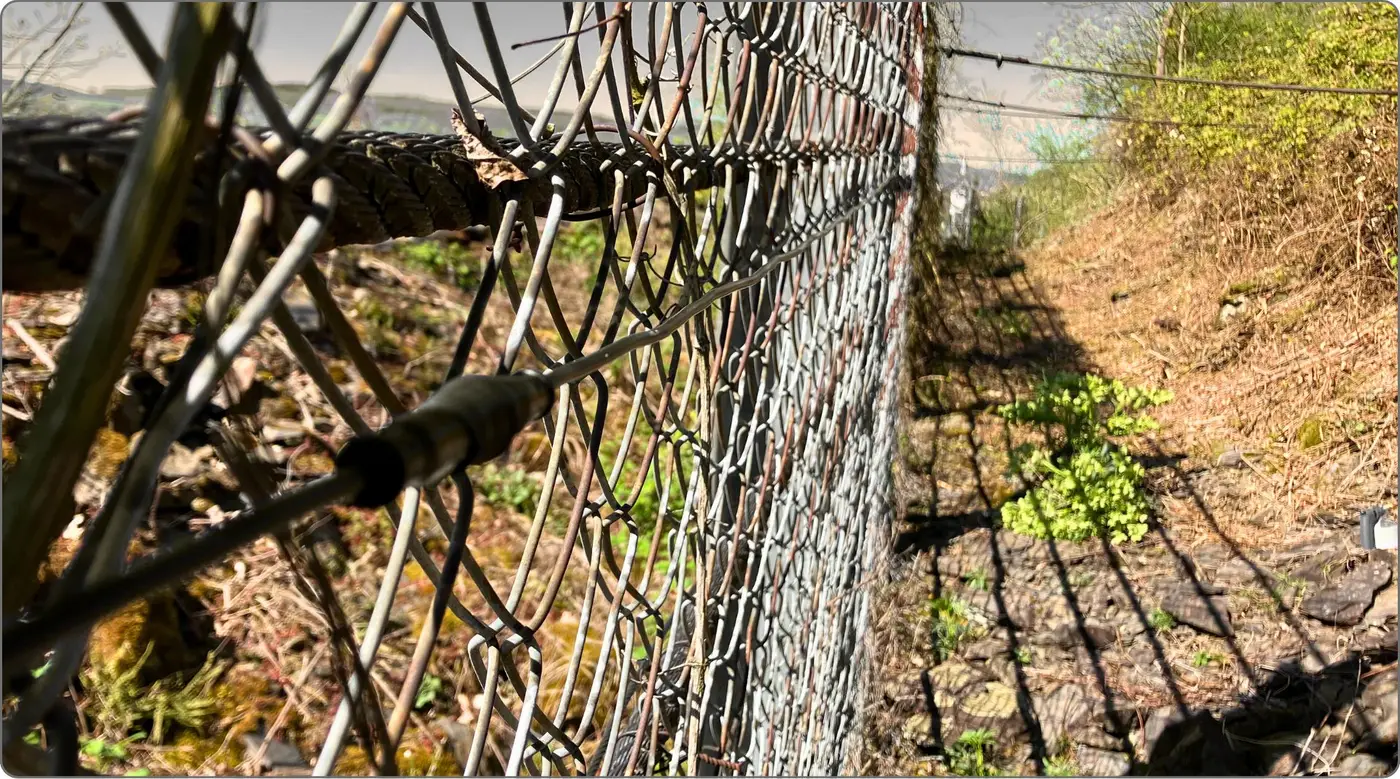
Rock & rockfall
Monitor crack widening and rock movement on exposed rock faces, complemented with sensors on catch fences.
Go to crack monitoring Guardrails & protective systems
Capture deformations of guardrails and railings from accidents or impacts in real time and inform the control centre immediately.
Go to deformation monitoring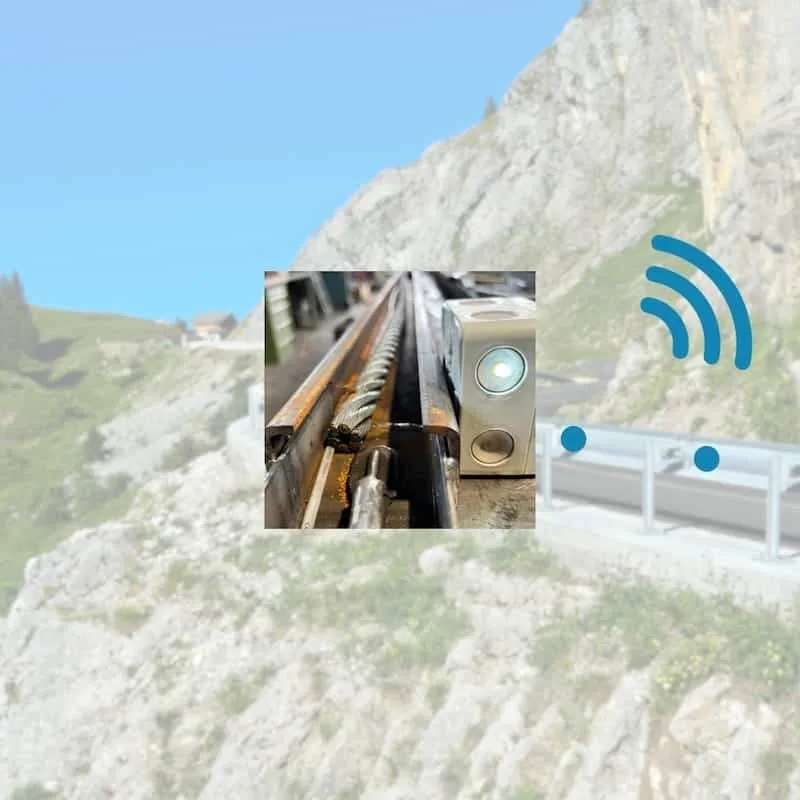
Retaining walls & structures
Continuously measure tilt and deformation on retaining walls, angled retaining structures and adjacent structures.
Go to tilt monitoringSlope monitoring in an event scenario
Play back an event and see how sensors on rock, fence and guardrail react, exceed the threshold and trigger alerting.
- Crack sensor, rock face 0.00 mm
- Cable pull, catch fence stable
- Embankment tilt 0.0°
- Guardrail deformation stable
In live operation, we combine crack sensors, cable-pull sensors and tilt sensors with redundant gateways. Thresholds are set per site.
Everything from a single source
From the monitoring concept to ongoing operation
You get the complete monitoring from one point of contact: designed, installed, maintained and monitored around the clock.
Concept
We assess the slope, rock face or guardrail, define measuring quantities and thresholds and plan sensors matched to the hazard pattern.
Learn moreInstallation
Wireless sensors are fitted without cabling and without mains power, even on hard-to-reach sections.
Learn moreMaintenance and operation
We take care of maintenance, repair and operation of the system so monitoring keeps running reliably.
Learn moreMonitoring and alerting
Continuous monitoring with automatic alerting, on request directly into your operations or control centre.
Learn moreMatching sensors
This sensor technology secures slope and protective structure
The measuring quantities on this page come from two devices. Setup, mounting and the stated specifications are on the product pages.
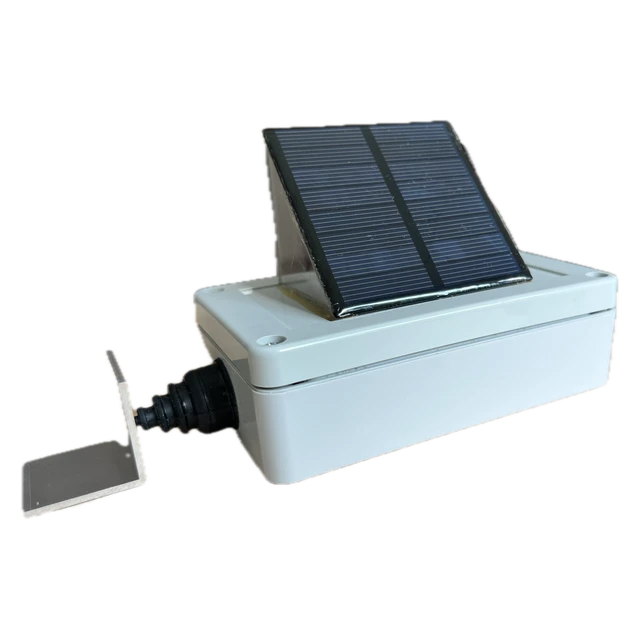 ProductsCrack sensorCrack widening on rock faces and retaining structures, resolution 0.003 mm.
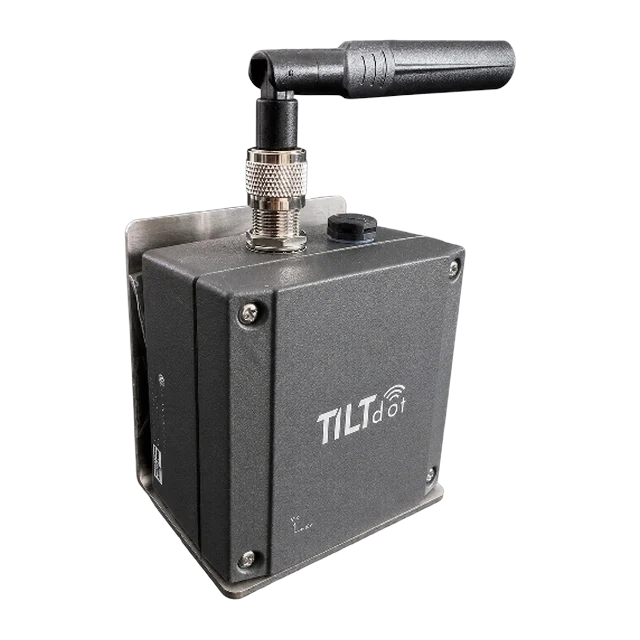 ProductsTilt sensorGround movement, landslides and settlement from 0.001°.
Rockfall monitoring in the Mittelrheintal
Above a federal road and a railway line between Bingen and Koblenz, an unstable rock outcrop with brittle fracture behaviour was classified as acutely at risk of collapse. Until the planned removal, two catch fences with integrated sensors secure the section temporarily.
Geotechnical crack monitoring on the rock face
High-resolution crack sensors measure the smallest movements along weakness zones and warn early of crack widening, slab detachment or rock failure.
Cable-pull sensors on two fence levels
The catch fences detect movement from rockfall via cable-pull sensors and trigger a real-time alert when defined thresholds are exceeded.
Redundant gateways with LTE and GSM-R
Two redundant gateways per fence level transmit the data every second. Safety-relevant alerts run over Deutsche Bahn’s GSM-R network to the operations centre.
45 m
monitored fence length
0.003 mm
crack sensor resolution
1 Hz
gateway measurement rate
2
redundant gateways per fence level
Sensor cables at four height levels per fence level with predetermined breaking points trigger an alert immediately on mechanical separation, without false alarms from wind or weather.
Data platform
All readings on one platform
The sensors transmit their readings wirelessly to the data platform, where they are evaluated, documented and continuously checked against your thresholds.
- AI-assisted data analysis
- User-focused reporting
- Continuous evaluation
- Warning and alarm thresholds
- Alerts by email and text message
- Remote access around the clock
- AI-assisted data analysis Condition within limits
- User-focused reporting Report ready
- Alerting Thresholds monitored
Secure the hazardous section now
Describe the slope, rock or guardrail to us. We will recommend the right sensors and get back to you shortly with an initial assessment.
 Christian Steffes
Basis for decisions
What you can decide on the slope
With rockfall and ground movement, it comes down to minutes and to closures that can affect whole transport links.
- 01
Close the road or route immediately
If a movement exceeds the threshold, the system triggers the alert before anything comes down. That is the difference between a closure and an accident.
- 02
Reopen after an event
After heavy rain or frost, the question is when the route is safe again. A live reading answers it faster than a site walk.
- 03
Schedule clearance of catch fences
A filled fence no longer protects. Monitoring shows when clearance is needed instead of checking at fixed intervals.
- 04
Upgrade or replace a protective structure
Whether an existing fence is still sufficient depends on the actual load it takes. That can be measured instead of estimated.
- 05
Reduce inspection walks in rough terrain
Site walks on a slope are time-consuming and not without risk themselves. Autonomous sensors take over continuous observation.
Frequently asked questions about slope monitoring
What can be monitored on a slope, embankment and guardrail?
How fast does the system alert in the event of rockfall or an accident?
Does slope monitoring also work on remote sections without power?
Can the monitoring be retrofitted to existing structures?
How are false alarms from wind and weather avoided?
Can alerting be integrated into a control centre?
Project inquiry
Monitor slope, rock and guardrail safely
Describe the site and hazard pattern to us. You will receive a solid initial assessment shortly, with suitable measuring quantities and sensors.
+49 6742 8599600 DE +41 41 670 00 11 CH [email protected]