
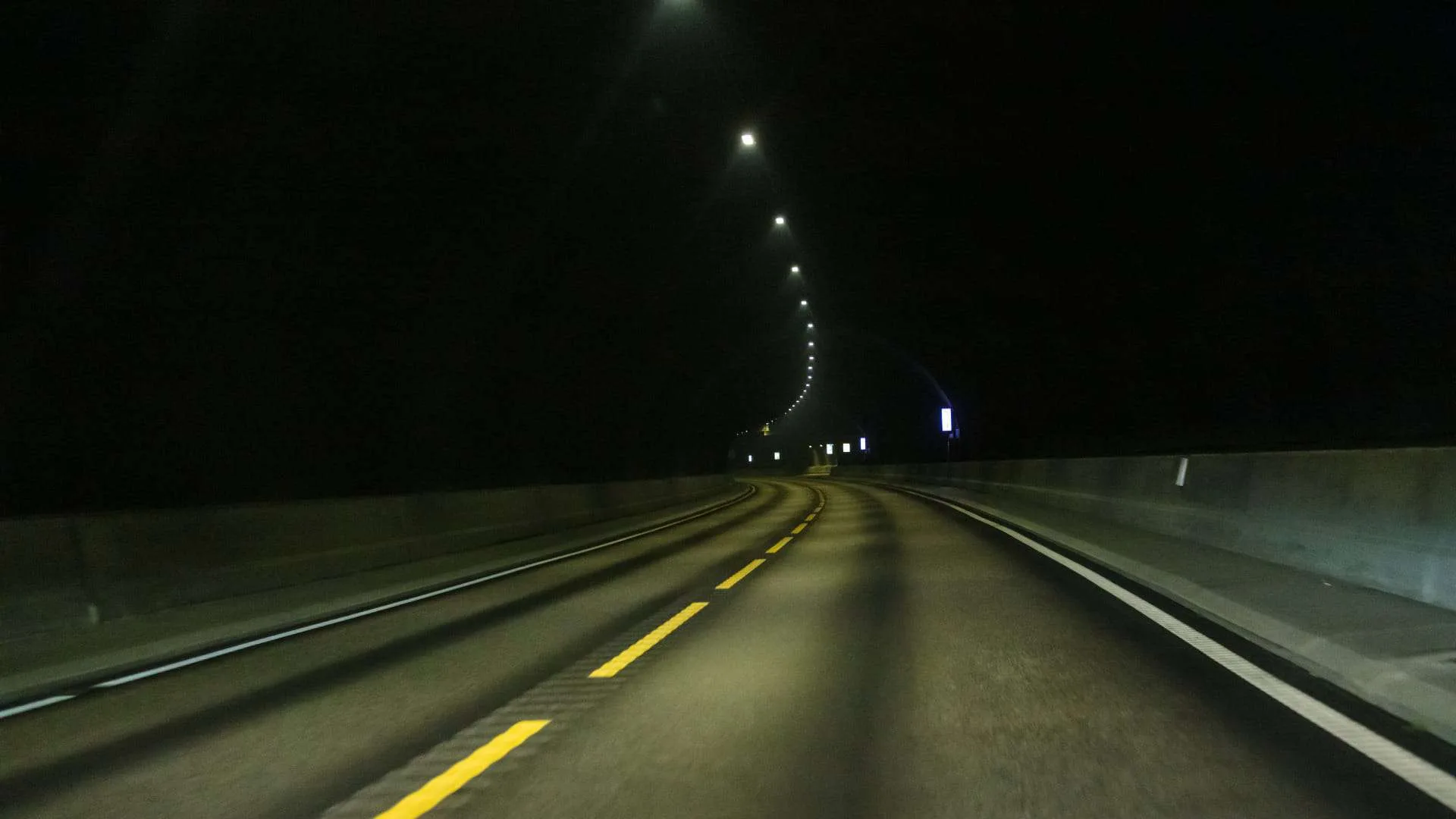
Monitoring that secures the tunnel drive.
Convergence in the cross-section, settlement above the drive, vibration and existing structures in the zone of influence: we monitor the decisive parameters wirelessly, in line with standards and with automatic alerting, entirely without mains power.
Benefits in tunnel construction
Your benefit as a tunnel contractor, engineer or operator
Whether tunnel boring, refurbishment during operation or building within existing infrastructure: continuous monitoring lowers your risk, creates evidence, and lets you react immediately to critical movements.
Request a quoteDetect risks early
Convergence, settlement and vibration are captured continuously. You see critical developments before they turn into damage, not only at the next scheduled inspection.
Protect existing structures
Buildings, utility lines and structures within the zone of influence of the drive are monitored objectively. This protects third parties and removes the basis for later damage disputes.
Evidence that holds up
We assess vibration against the guidance values of DIN 4150-3. All readings come together as a seamless time series and are verifiable towards building authorities, operators and experts.
Without mains power, without cable trenches
The wireless sensor technology works self-sufficiently and is installed without running cables. That is a decisive advantage in a confined tunnel cross-section and under ongoing traffic.
Live scenario
See what the drive moves, immediately
The cross-section shows where we measure: convergence in the excavation, settlement above the drive and vibration at the existing structure. Start the scenario and watch how the readings approach the thresholds.
Schematic illustration, not measured data
Convergence
StableDeformation of the excavation
0.0 mm
Threshold 5.0 mm
Settlement
StableGround above the drive
0.0 mm
Threshold 8.0 mm
Vibration
StablePeak particle velocity v
0.0 mm/s
Threshold 5.0 mm/s
When a threshold is reached, the system alerts automatically by email and SMS.
What we monitor
The decisive parameters in tunnel construction
From convergence in the excavation to settlement and vibration to cracks and corrosion at existing structures, each measuring task with the matching sensor technology.
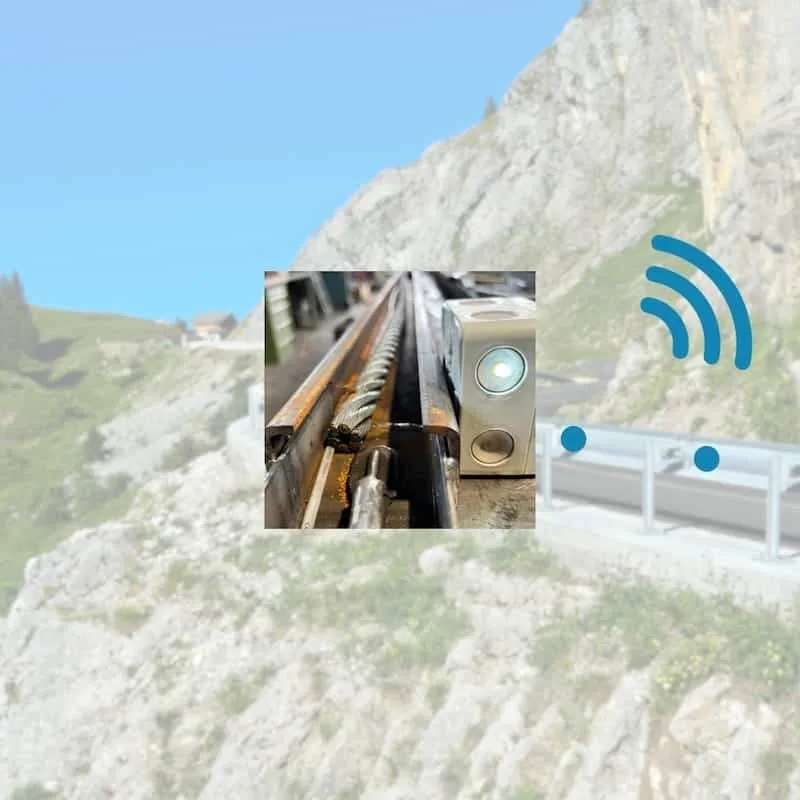
Deformation in the excavation
Convergence measurement in the tunnel cross-section
We continuously capture the deformation of the excavation cross-section. Changes in clear width and height indicate how the ground and the lining are settling, and provide the data basis for safe tunnel-boring decisions.
To tilt & settlement monitoring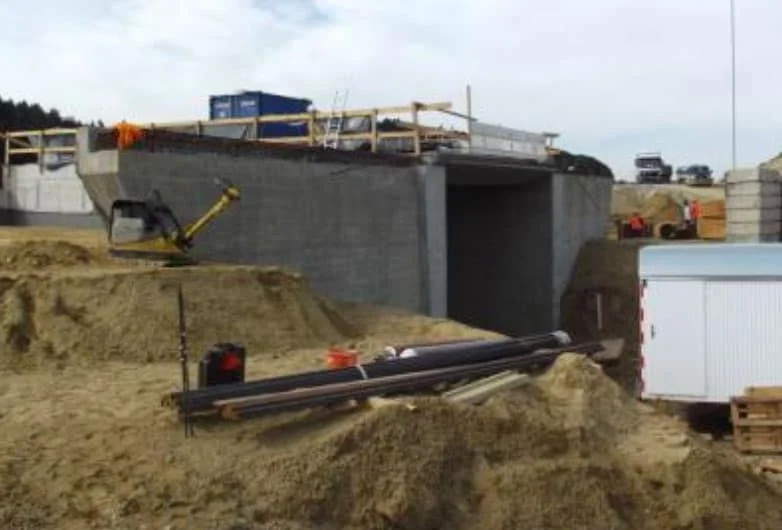
Above the drive
Settlement monitoring at the ground surface
Above the tunnel-boring axis we monitor settlement of ground and buildings. This keeps the settlement trough in view at all times, and lets you steer the drive before thresholds are reached at sensitive structures.
Monitor settlement & tilt DIN 4150-3
Vibration from blasting and tunnel boring
Blasting, milling and heavy construction machinery generate vibration. We measure the peak particle velocity and assess it against the guidance values of DIN 4150-3, the German standard for vibration effects on structures, so that adjacent buildings are evaluated safely and in line with standards.
To construction vibration monitoring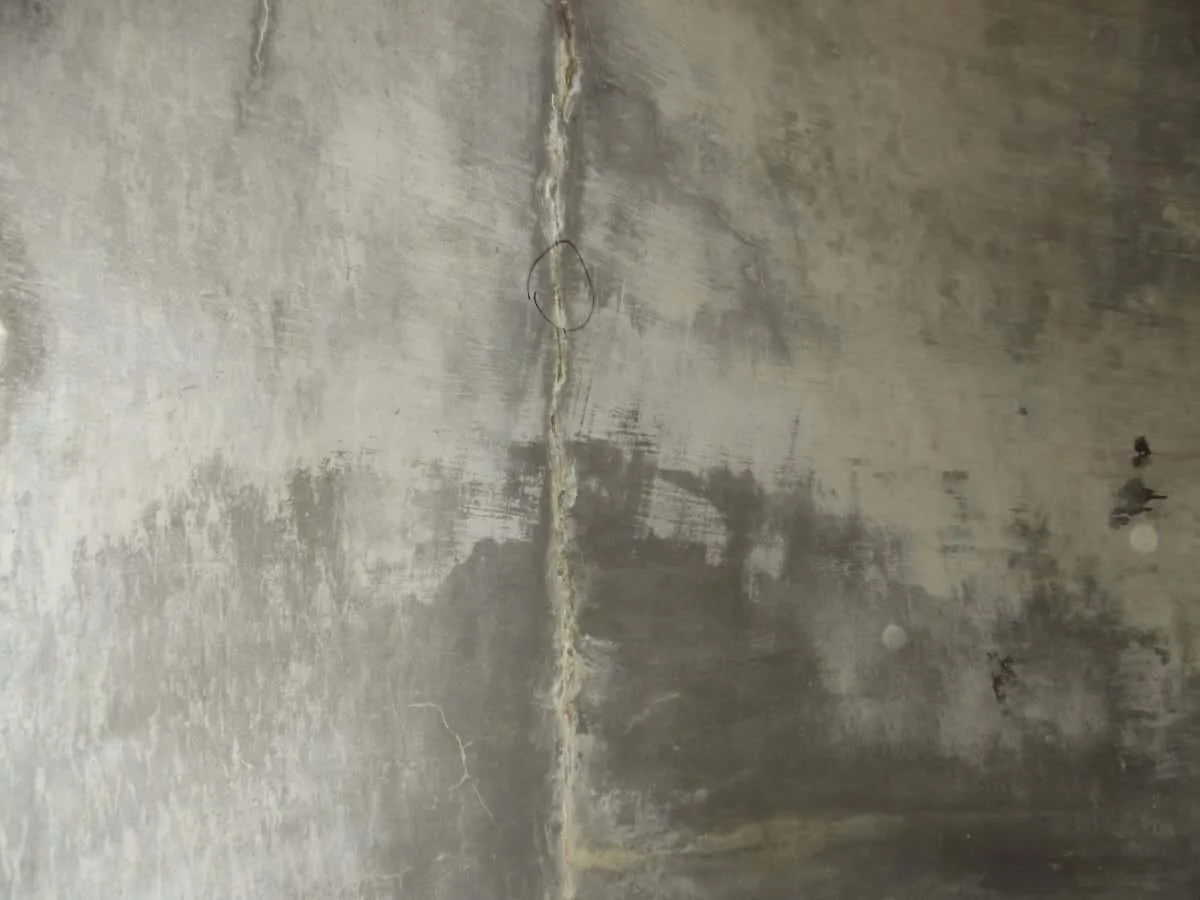
Existing structures & portal
Cracks and corrosion on existing structures
At existing structures and in the portal area, we monitor crack widths to the millimetre as well as moisture and corrosion in the concrete. This accompanies refurbishments during ongoing operation and documents refurbishment success over long periods.
To crack monitoringEverything from a single source
From the monitoring concept to ongoing operation
You do not coordinate separate trades. Concept, installation, maintenance and the ongoing monitoring come from a single point of contact, over the entire critical phase.
Concept
We define measured variables, thresholds and sensor positions, tailored to the tunnel-boring method, the structure and the relevant standards. On request, with ready-made positions for tendering.
Learn moreInstallation
The wireless sensor technology is installed without mains power and without cable trenches, and commissioned with a documented baseline measurement, even under ongoing traffic.
Learn moreMaintenance and operation
We keep the system operational, replace sensors as needed and provide reliable data over the entire critical phase, as monitoring as a service.
Learn moreMonitoring and alerting
All readings come together around the clock. When defined thresholds are reached, the system alerts automatically, by email and SMS, without manual on-site inspection.
Learn moreFrom practice
Sensor-based monitoring during tunnel refurbishment on the A96
Starting point
During operational retrofit works, the operators found chlorides in the portal area. The concrete walls had to be refurbished with the least possible removal and continuous observation of the residual risk.
Implementation
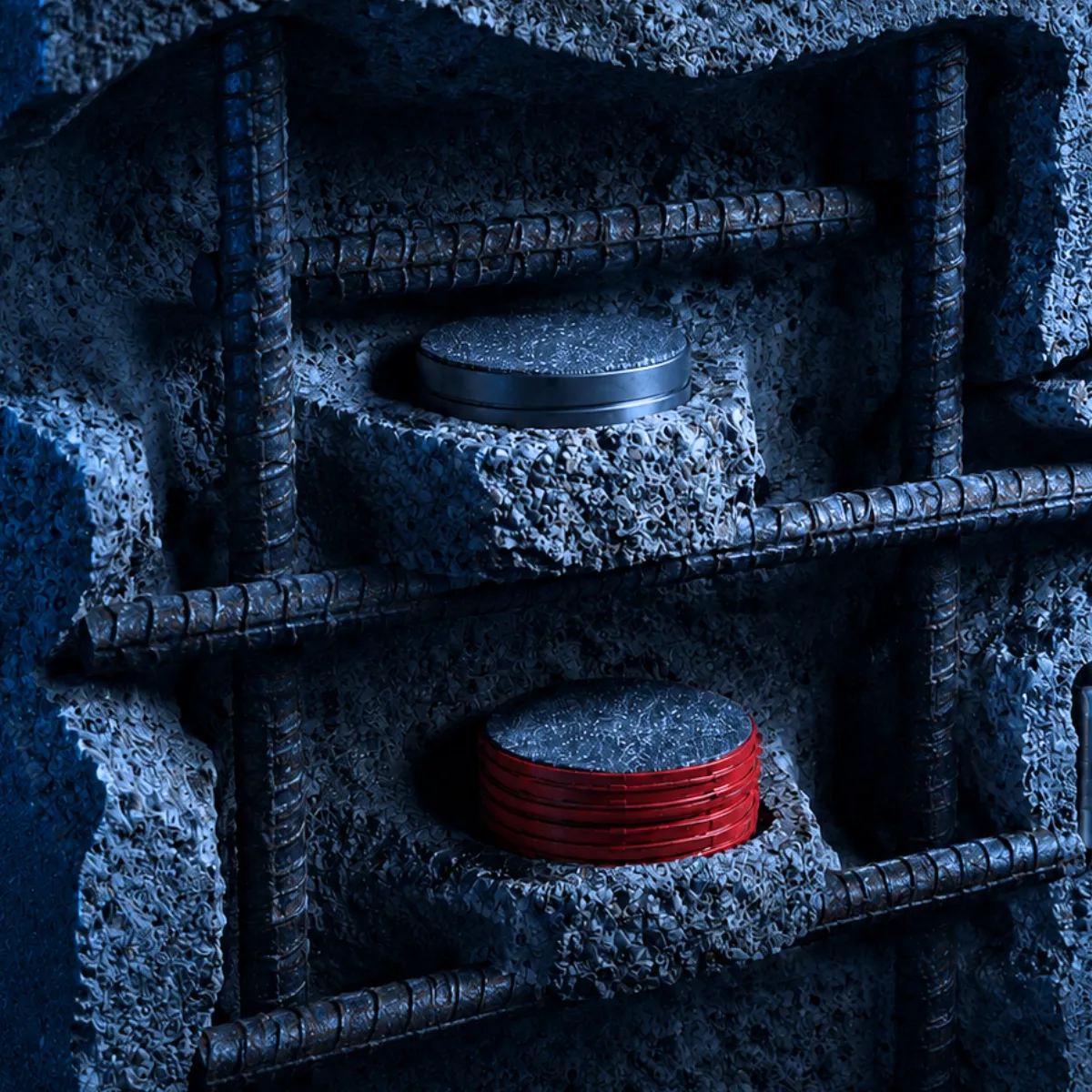
After staged removal of the chloride-affected layers, cable- and energy-free corrosion and moisture sensors of the CorroDec 2G type were installed at the positions specified by the engineer, including the portal area.
Result
The structure condition can be queried remotely at any time, via handheld reader and via NB-IoT. This reduces removal volumes and closure times, proves refurbishment success and steers inspection intervals precisely.
Goals achieved
- Cable- and energy-free sensor technology in the structure
- Remote query via NB-IoT and handheld reader
- Compliant with repair principle "W"
- Shorter closure times for later measures
Matching sensors
This sensor technology is installed in the tunnel
Crack width, moisture, corrosion and convergence are the parameters in the tunnel. These are the devices behind them.
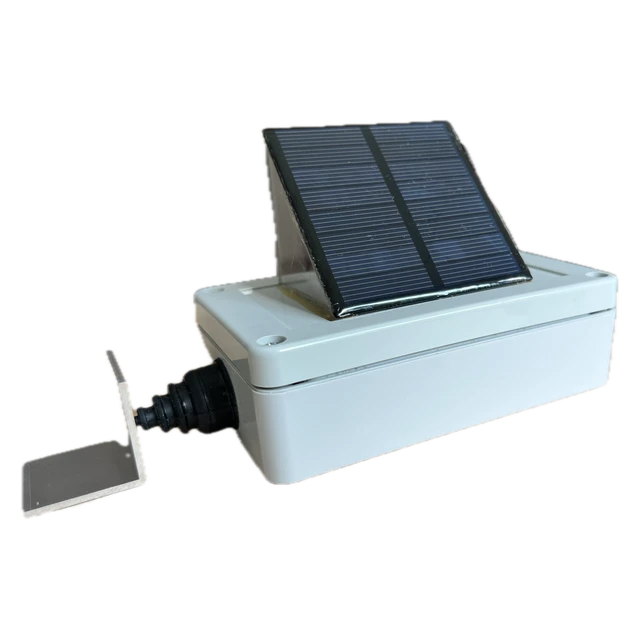 ProductsCrack sensorCrack width with 0.003 mm resolution, available as solar, long-life battery or mains power.
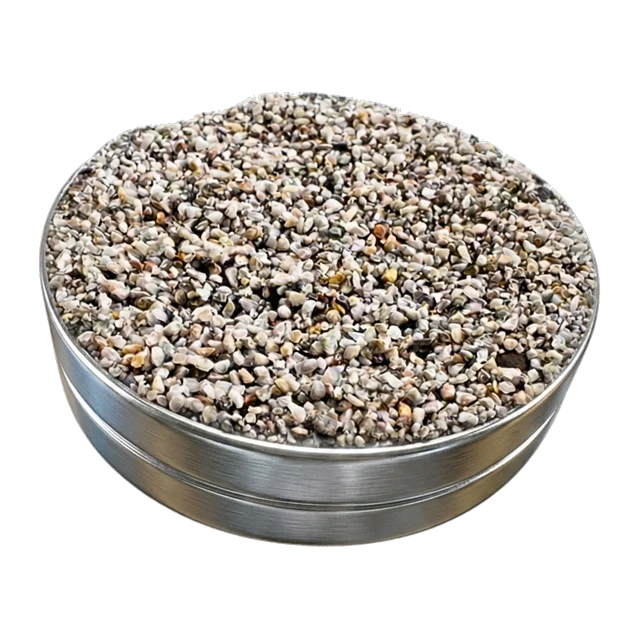 ProductsMoisture sensor CorroDec 2GPassive RFID sensor for moisture directly in the concrete, energy-free and long-lasting.
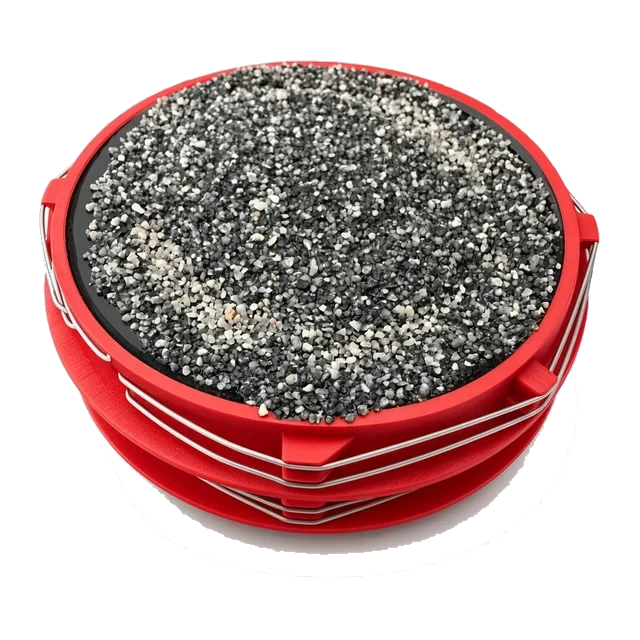 ProductsCorrosion sensor CorroDec 2GTwo-stage wire monitoring in the concrete: shows whether the corrosion front has reached a defined depth.
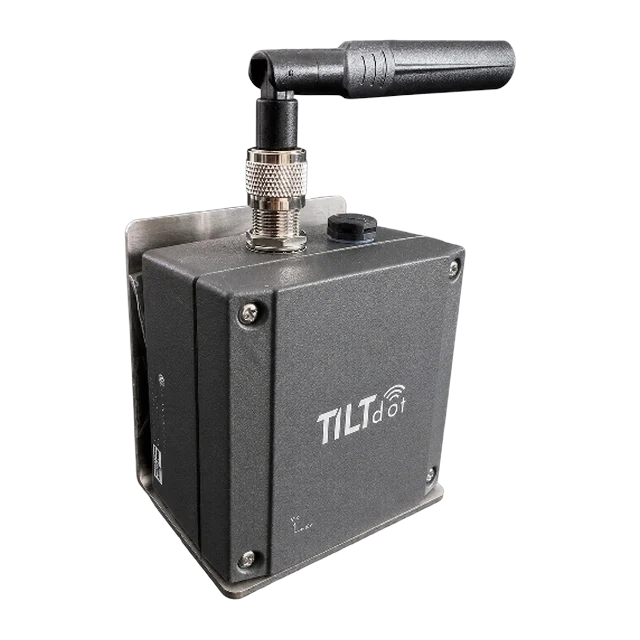 ProductsTilt sensorTilt and settlement of load-bearing components from 0.001°, gateway integrated.
Monitoring for your tunnel structure
Whether tunnel boring, existing tube or structures in the zone of influence: tell us the situation. We align measuring points, thresholds and measurement interval with your project.
 Roman Koch
Data platform
All readings on one platform
The sensors transmit their readings wirelessly to the data platform, where they are evaluated, documented and continuously checked against your thresholds.
- AI-assisted data analysis
- User-focused reporting
- Continuous evaluation
- Warning and alarm thresholds
- Alerts by email and text message
- Remote access around the clock
- AI-assisted data analysis Condition within limits
- User-focused reporting Report ready
- Alerting Thresholds monitored
Basis for decisions
What you can decide about the tunnel
In tunnel construction, every closure and every stop to the drive costs money immediately. Decisions are therefore made under time pressure and need reliable numbers.
- 01
Continue or pause the drive
Convergence and settlement measurements above the drive show whether the ground is behaving as expected. This carries the decision to adjust the lining or continue.
- 02
Change the construction method in the zone of influence
If vibration at existing buildings exceeds the guidance values, the method must be adjusted. Measured values clarify this before it turns into damage.
- 03
Plan closures instead of improvising
A tunnel cannot be closed at short notice. Whoever knows the condition development fits refurbishment into closure windows that are already planned.
- 04
Prove refurbishment success
After a refurbishment, measurement over years shows whether the measure is effective. That is the evidence towards the client and the warranty.
- 05
Reduce site visits and manual measurements
Measurements inside a tunnel tie up personnel and often require a closure. Self-sufficient sensor technology delivers the readings without anyone having to go in.
Frequently asked questions about tunnel monitoring
Which measured variables are relevant in tunnel construction?
How are existing structures in the zone of influence monitored?
Which standards apply to vibration in tunnel construction?
Does the sensor technology work during ongoing tunnel operation?
Do I get concept, installation and operation from a single source?
Project inquiry
Secure your tunnel drive
Tell us about the structure, the tunnel-boring method and the affected environment. You will receive a reliable initial assessment shortly, including suitable measured variables and sensor technology.
+49 6742 8599600 DE +41 41 670 00 11 CH [email protected]