
Bridge monitoring that closes the gap between bridge inspections
With wireless bridge monitoring, you track cracks, moisture and corrosion continuously, complement the main inspection to DIN 1076, the German standard for bridge inspection, and document the remaining service life with measured data instead of assumptions.
Benefits in bridge monitoring
Your benefit as an asset owner, municipality or engineering firm
Request a quoteClose the gap between inspections
The main inspection to DIN 1076 provides a snapshot every six years. Continuous bridge monitoring captures the development in between and shows how quickly a crack or moisture damage is really changing.
Document remaining service life
Instead of closing a bridge out of caution, you use measured data to document whether and how long the structure can safely remain in service. That buys time to plan a bridge refurbishment properly instead of commissioning it under pressure.
Retrofittable without cabling
The sensors transmit via NB-IoT and can be fitted to existing bridges without cabling and without scaffolding just for the measuring equipment. Hard-to-reach locations are covered as well.
Alerting at the threshold
If a crack or a moisture reading exceeds the stored threshold, the system alerts automatically. You react the moment something changes, not at the next inspection.
Inspection types, intervals and the condition rating under RI-EBW-PR\u00dcF in detail: Bridge inspection to DIN 1076
Live scenario
See what changes at the bridge immediately
The diagram shows where we measure: crack width on the superstructure, moisture at the bridge drain and the tilt of the structure. In the calm scenario, all three values stay below their warning threshold. Switch to the threshold scenario and see what happens when the crack exceeds its limit.
Schematic illustration, not measured data
Crack width
StableCrack at the bottom chord
0.00 mm
Threshold 0.30 mm
Moisture in concrete
StableLow point at the bridge drain
0.00 %
Threshold 3%
Tilt
StablePositional change of the superstructure
0.00 mm/m
Threshold 3.0 mm/m
Immediate notification Alert by email and SMS as soon as a threshold is reached
Threshold exceeded
Crack width 0.34 mm, alert sent to asset owner and standby team
What we monitor
Coordinated sensor families for bridges and engineering structures
From crack monitoring on the superstructure through moisture and corrosion in the concrete to tilt monitoring, each measuring task with the matching sensor technology. The result is a complete picture instead of isolated readings.
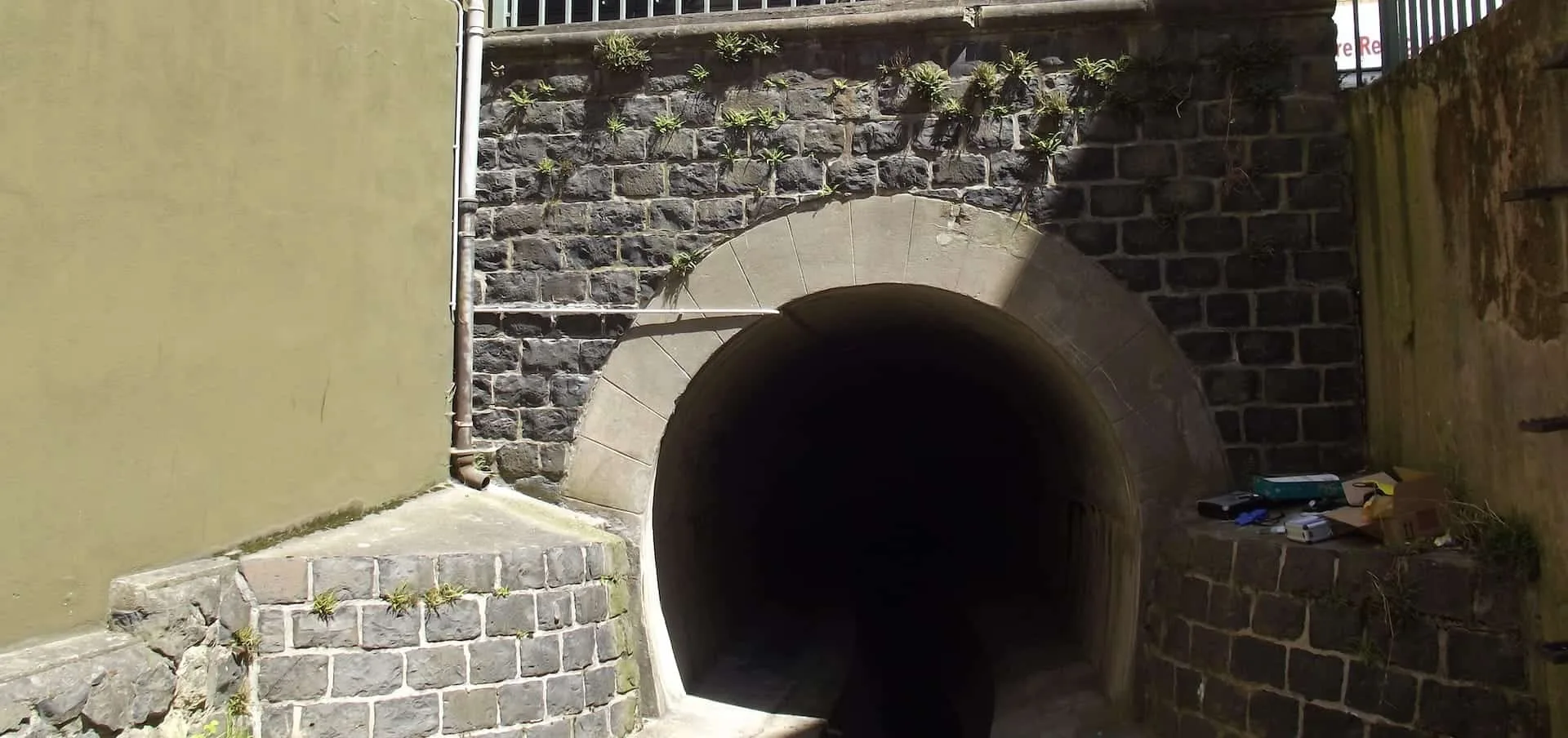
Crack widths from 0.003 mm
Crack monitoring on the superstructure
Using displacement transducers, we continuously measure crack width changes from 0.003 mm and report any threshold exceedance. This lets you safely accompany an ageing bridge until its planned replacement, or observe a structure after a triggering event such as a flood.
Learn more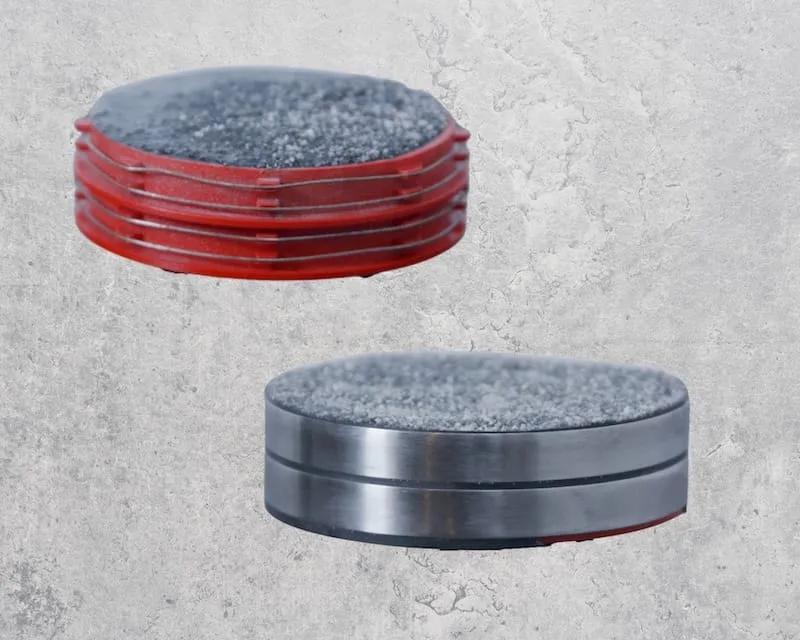
Concrete & reinforcement
Moisture and corrosion monitoring
Energy-free, wireless sensors observe moisture and corrosion inside the concrete at structurally critical points, at bridge drains and low points. Corrosion sensors based on the sacrificial anode principle make the attack on the reinforcement visible before the concrete spalls.
Learn more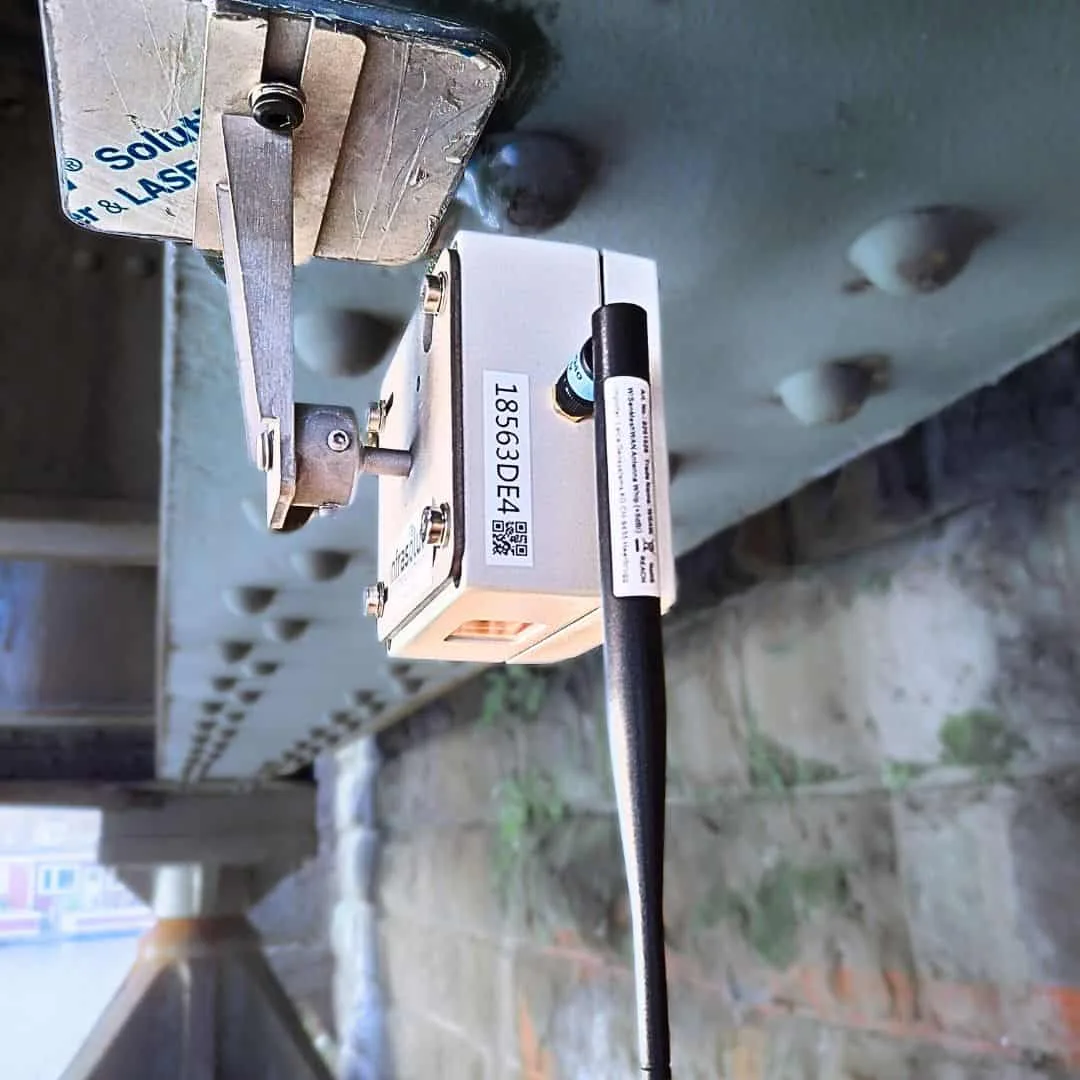
Deformation & position
Tilt monitoring of the superstructure
Tilt monitoring captures deformation and positional changes of the structure. Combined with crack and moisture data, this produces a complete picture of the structure condition instead of isolated readings.
Learn more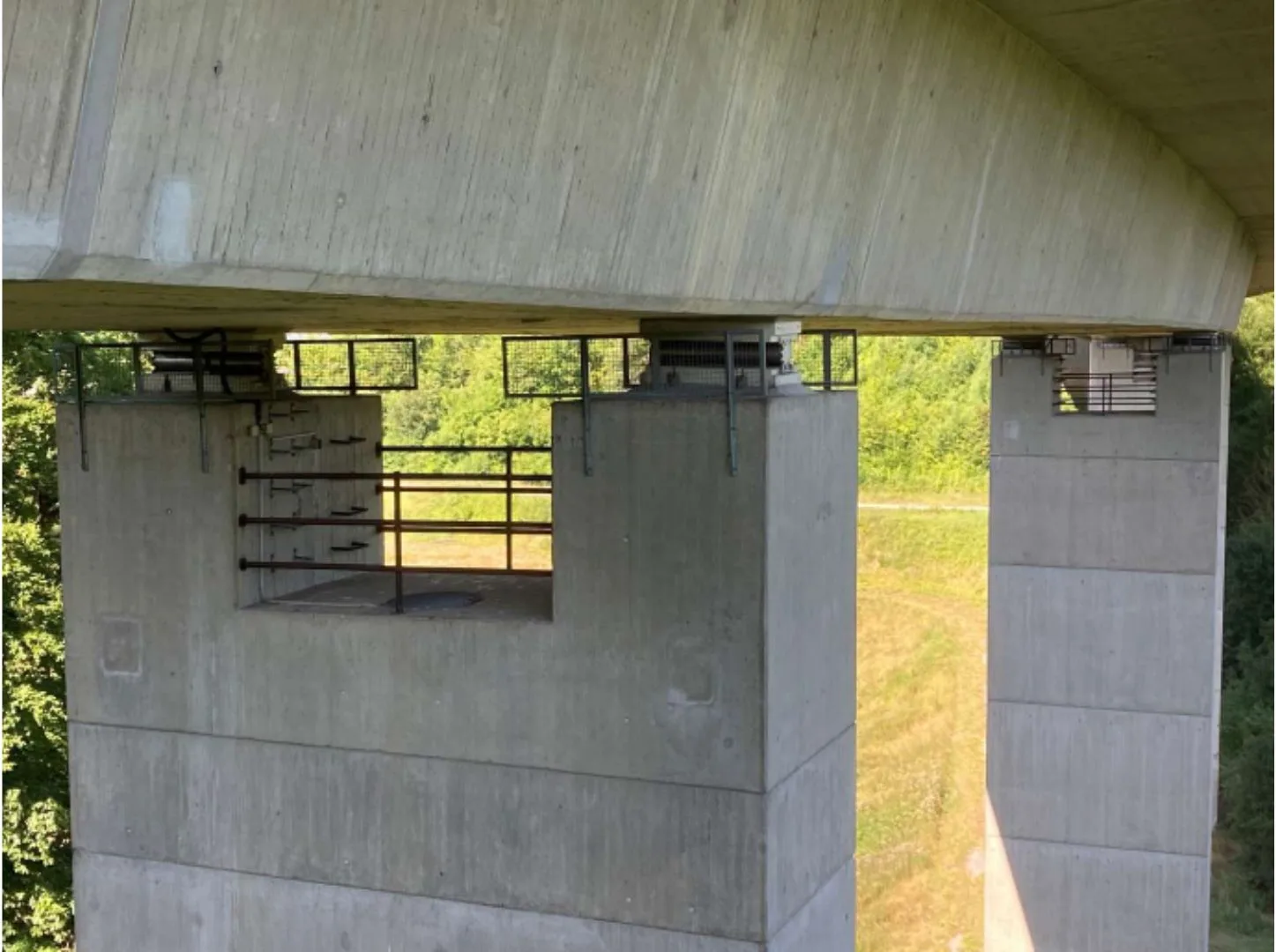
Supports & bearings
Bridge bearing and roller bearing monitoring
A bearing carries the load while allowing the thermal expansion of the superstructure. We capture the displacement at the bearing together with the structure temperature, making it visible whether a roller or sliding bearing is still accommodating the movement.
Learn moreEverything from a single source
From the monitoring concept to ongoing operation
You do not coordinate separate trades. Concept, installation, maintenance and the ongoing monitoring of your bridge come from a single point of contact, over the entire observation period.
Concept
From your objective, we derive the critical measuring points, select the right sensor technology and set warning and alarm thresholds, tailored to the structure and the relevant standards.
Learn moreInstallation
The wireless sensor technology is installed without continuous cabling and without scaffolding just for the measuring equipment. Solar- or battery-powered gateways also reach remote structures.
Learn moreMaintenance and operation
We keep the system operational and provide reliable data over the entire observation period, as monitoring as a service. Crack monitoring systems can then be reused on the next structure.
Learn moreMonitoring and alerting
All readings flow into the cloud-based software, are stored as history and made available to the operator online. When a threshold is reached, the system alerts automatically, without manual inspection.
Learn moreFrom practice
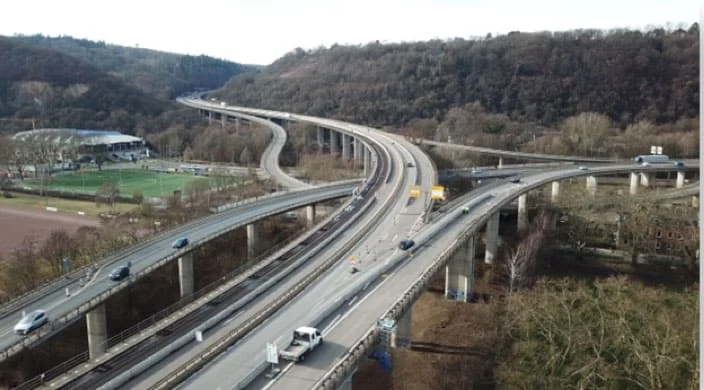
Moisture and corrosion monitoring at the Südbrücke (Southern Bridge) in Koblenz
Südbrücke Koblenz
The Südbrücke is part of the Südtangente Koblenz and was refurbished. The Landesbetrieb Mobilität wanted to keep an objective, permanent view of the structure condition during the refurbishment. Wireless, energy-free sensors in the concrete have done so ever since, with the readings available online at any time.
- Client
- Landesbetrieb Mobilität Rheinland-Pfalz
- Sensors installed
- Moisture and corrosion sensors, energy-free
- 93,000m²
- Structure area
- 7
- Gateways
- 28
- Sensors in the concrete
- NB-IoT5G
- Data transmission
More projects
More bridge projects
A8 Motorway Bridge
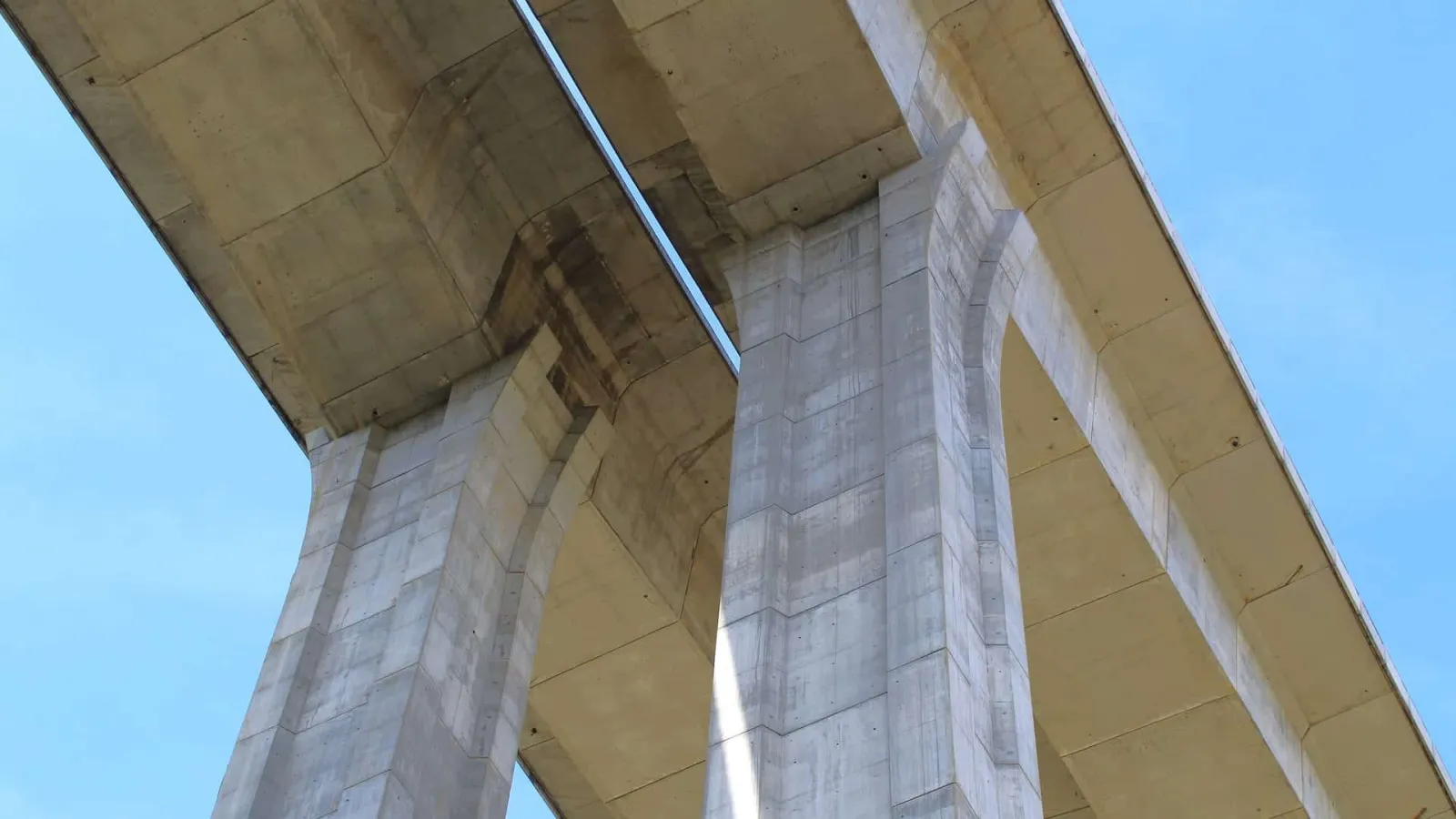
Moisture and corrosion sensors sit at the critical points of the structure, at caps and joints. Readout started with a handheld reader; with CorroDec 2G it now works remotely.
View project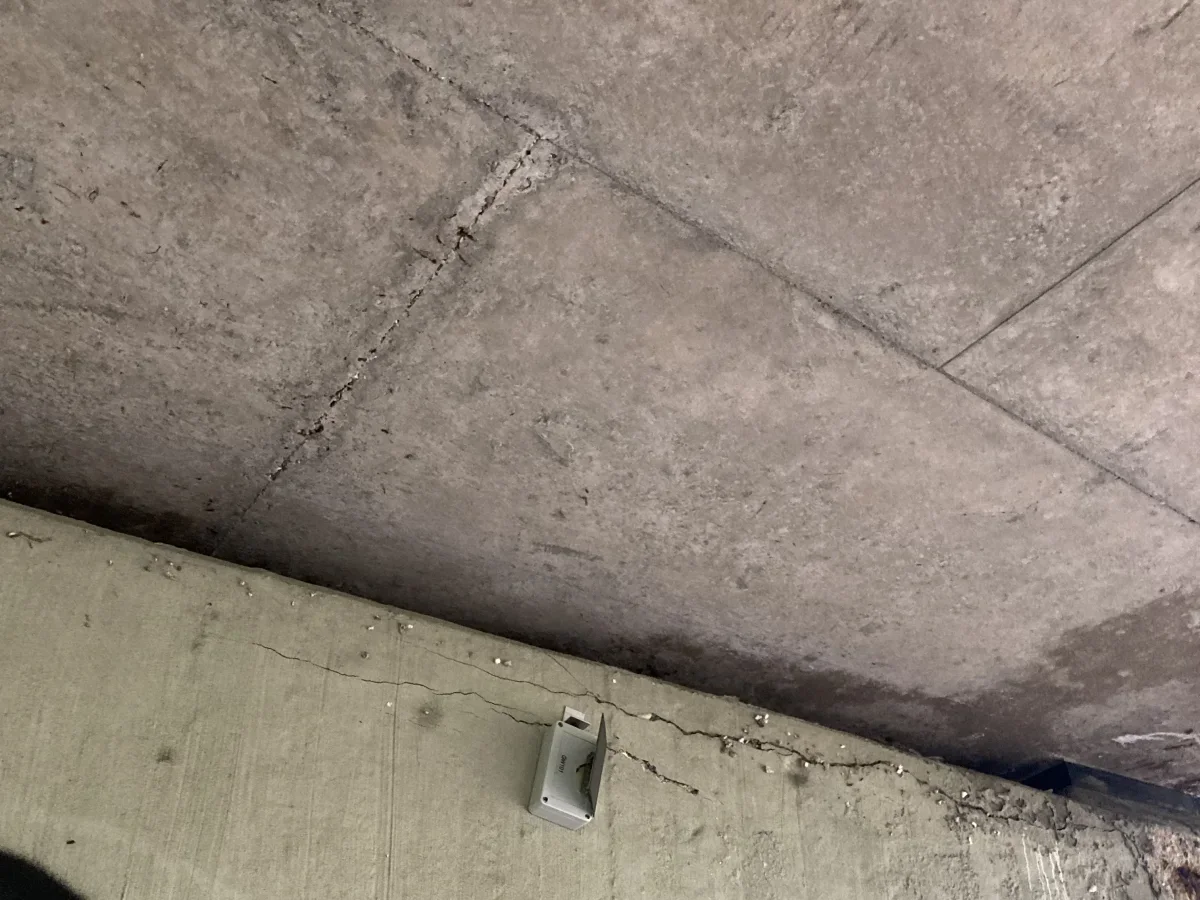
Bridges in Ulm and Neu-Ulm
Cracks were found on several bridge structures in Ulm and Neu-Ulm. Sensors have continuously monitored the crack widths ever since.
View project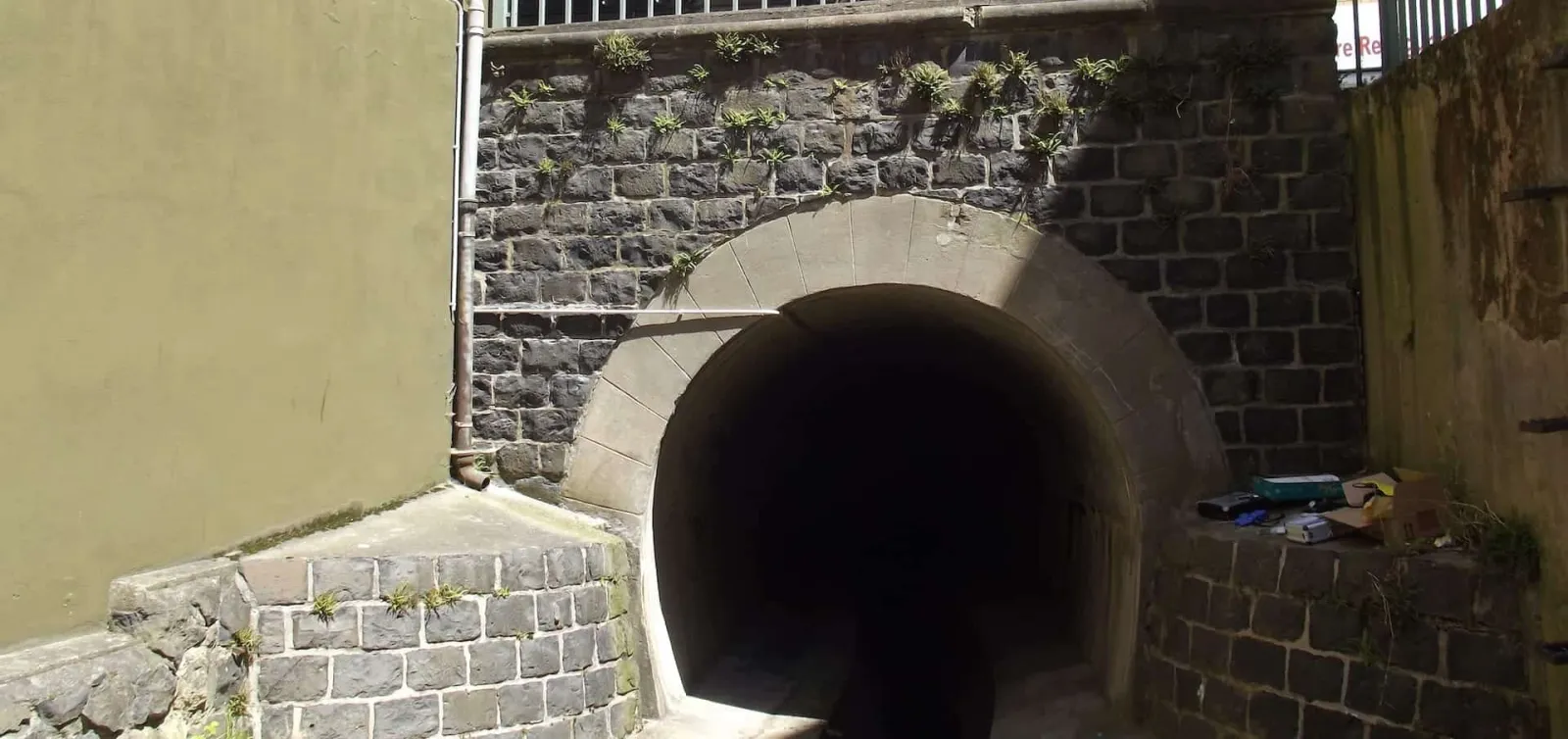
Bridge in Bonn
After a flood, cracks appeared on the structure. Until the planned replacement build, sensors monitor the crack widths online.
View projectOther industries
Explore industries
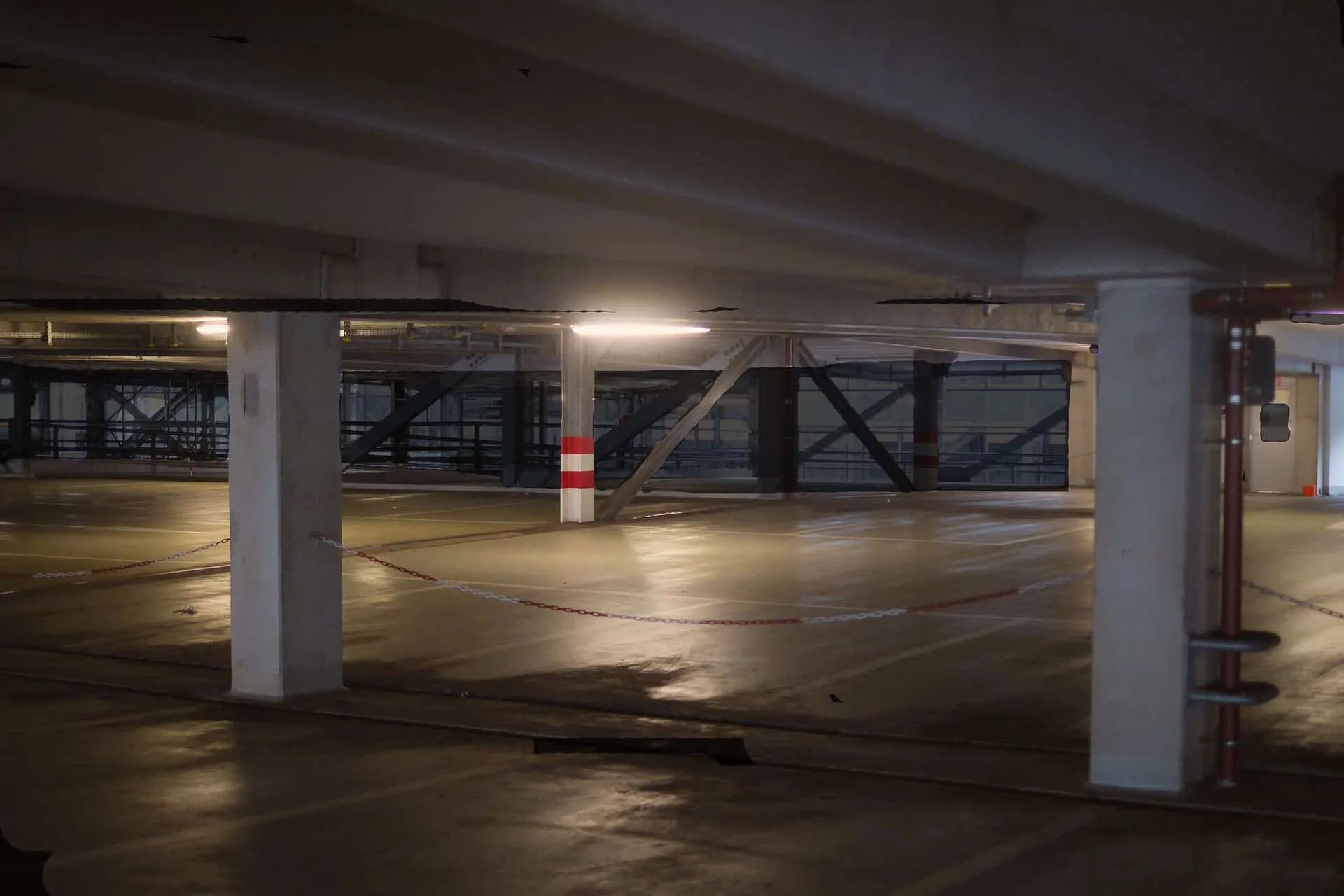
Parking structures
Comparable requirements for moisture and corrosion monitoring, here with chloride load and reinforcement corrosion as the main focus.
Learn more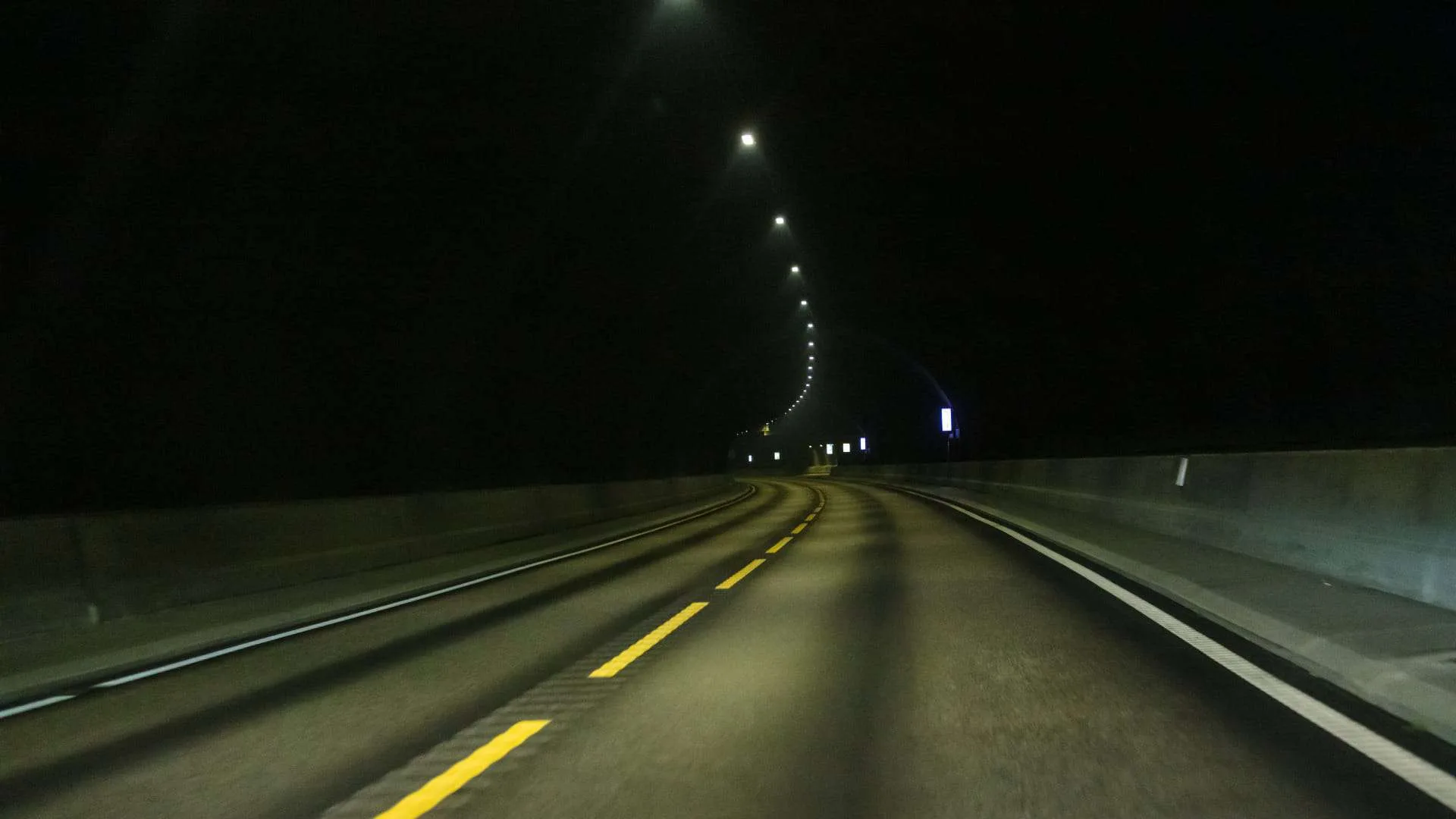
Tunnel monitoring
Moisture, cracks and deformation in the tunnel structure, monitored at points that are only accessible with significant effort.
Learn more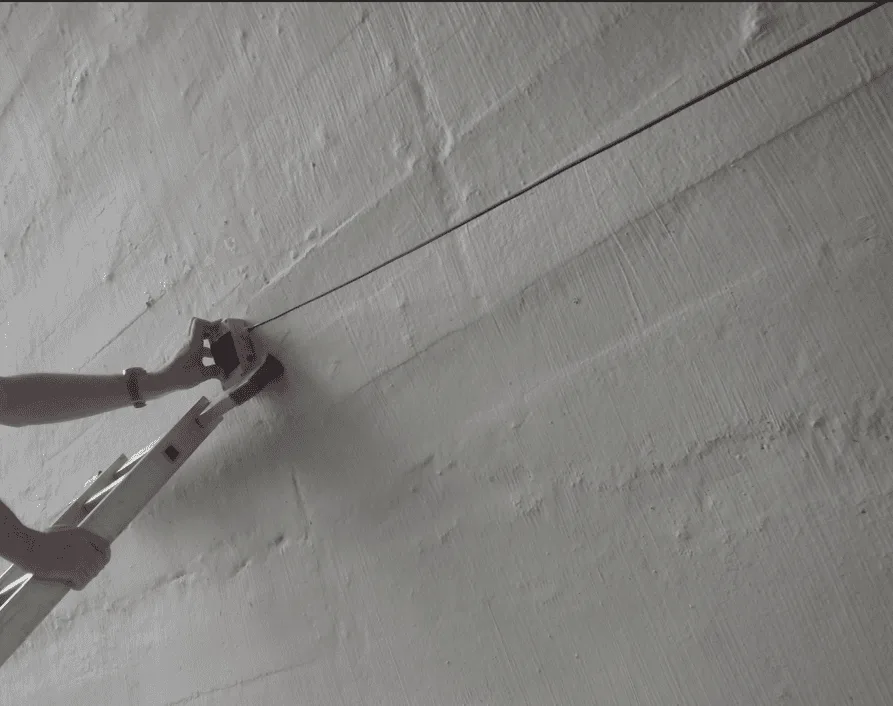
Municipalities & utilities
Whoever is responsible for many structures prioritises by condition. Monitoring provides the data basis for the order of priority.
Learn moreMatching sensors
This sensor technology is installed on the bridge
Crack width, moisture in the concrete and tilt of the superstructure, the measured values on this page, come from these devices.
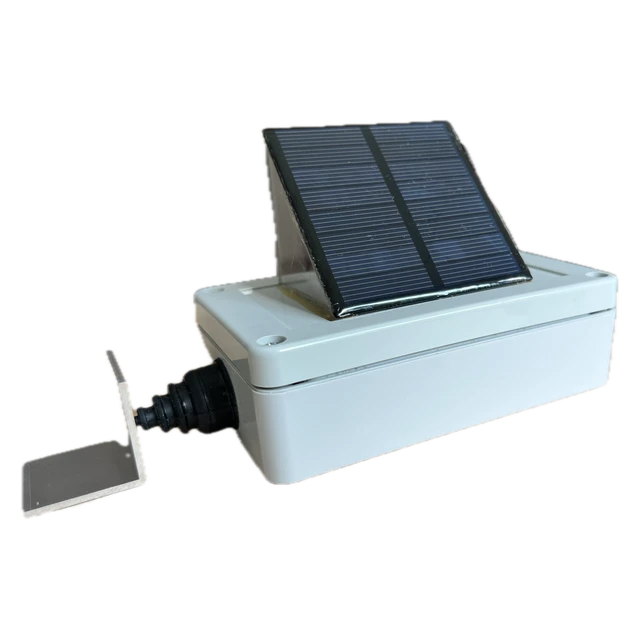 ProductsCrack sensorCrack width with 0.003 mm resolution, available as solar, long-life battery or mains power.
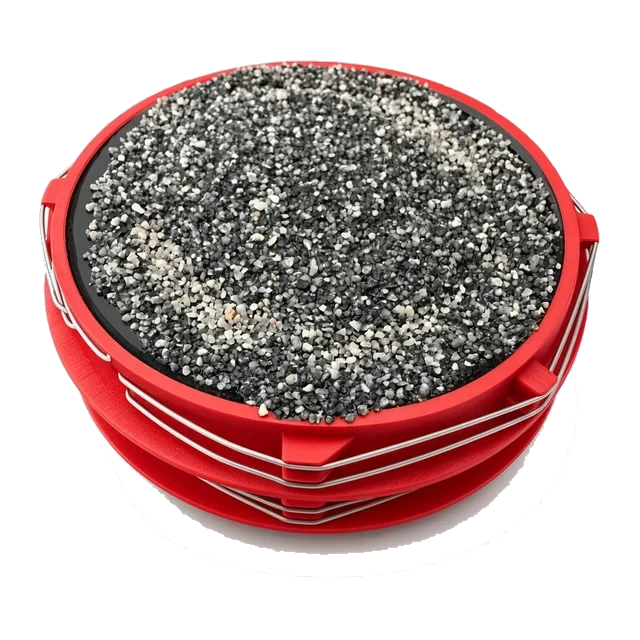 ProductsCorrosion sensor CorroDec 2GTwo-stage wire monitoring in the concrete: shows whether the corrosion front has reached a defined depth.
 ProductsMoisture sensor CorroDec 2GPassive RFID sensor for moisture directly in the concrete, energy-free and long-lasting.
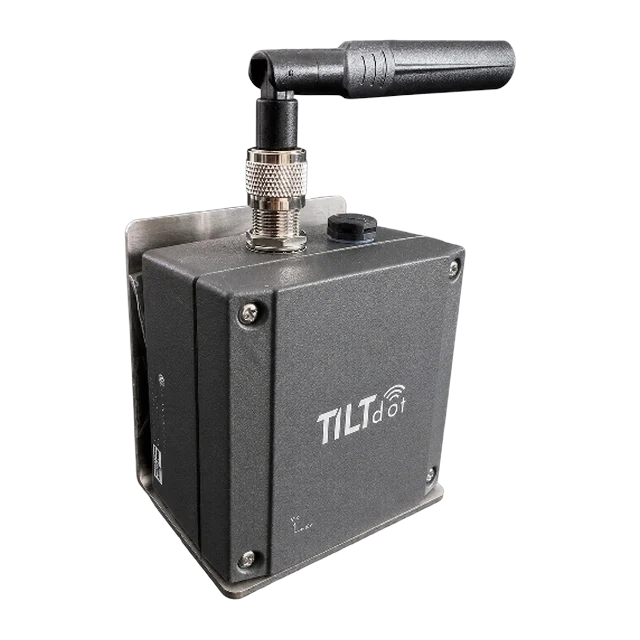 ProductsTilt sensorTilt and settlement of load-bearing components from 0.001°, gateway integrated.
Data platform
All readings on one platform
The sensors transmit their readings wirelessly to the data platform, where they are evaluated, documented and continuously checked against your thresholds.
- AI-assisted data analysis
- User-focused reporting
- Continuous evaluation
- Warning and alarm thresholds
- Alerts by email and text message
- Remote access around the clock
- AI-assisted data analysis Condition within limits
- User-focused reporting Report ready
- Alerting Thresholds monitored
Bridge monitoring for your structure
Whether an existing structure with a known damage pattern or a new build with a baseline measurement: tell us about the bridge and the critical points. We align measuring points, thresholds and sensor technology with your inspection cycles.
 Benedikt Seuss
Basis for decisions
What you can decide about the bridge
A bridge is not closed because of a measurement series, but because of what the measurement series proves. These are the decisions for which permanent monitoring provides the basis.
- 01
Close, restrict or release the structure
A documented course shows whether damage is progressing or at a standstill. Instead of closing as a precaution, a load restriction can be justified or the release maintained.
- 02
Document remaining service life until replacement
If a replacement structure is still years away, the time in between must be bridged. The documented development supports this decision towards authorities and the public.
- 03
Schedule and scope refurbishment
Whoever knows which part of the structure is moving and which is stable repairs in a targeted way. This determines the scope, timing and cost of the measure.
- 04
Close the gap between main inspections
Inspection to DIN 1076 remains in place. Monitoring bridges the years in between and shows whether a special inspection is really needed.
- 05
Reduce manual measurement effort
Every reading taken at the structure costs travel, personnel and usually traffic safety measures. The sensor measures itself and reports when it matters.
Frequently asked questions about bridge monitoring
How does the bridge inspector use the measurement data for the main inspection?
What is bridge monitoring and how does it complement bridge inspection?
Which types of damage can bridge monitoring detect?
Can bridge monitoring be retrofitted on existing bridges?
How does monitoring help estimate a bridge’s remaining service life?
How is the bridge measurement data transmitted and evaluated?
For which bridges is monitoring particularly worthwhile?
Project inquiry
Keep an eye on your bridge
You look after a bridge with a known damage pattern or want to keep a structure safely in service until a planned upgrade. Tell us about your situation, you will receive a reliable initial assessment shortly, with suitable measuring points and sensor technology.
+49 6742 8599600 DE +41 41 670 00 11 CH [email protected]