

Distance Laser Live
How many heavy vehicles really cross a bridge, and how heavy are they? The Distance Laser Live measures the deflection of the superstructure at midspan with every crossing. From the shape of the signal, the platform assigns the vehicle to a weight class, counts heavy traffic and reports unusual loads.
- Up to 100 Hz
- Accuracy ±1 mm
- Weight classes via AI
- Real-time alerts
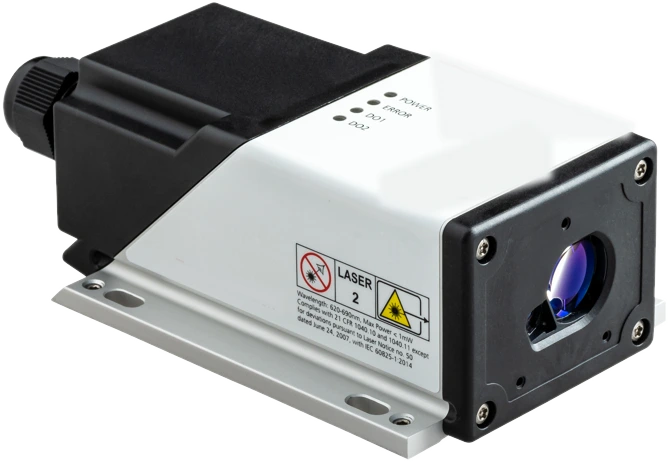
Indirect load measurement
Using the structure as a scale
Every crossing deflects the superstructure slightly. How far and for how long depends on the weight of the vehicle. The Distance Laser Live measures this response, without any intervention in the carriageway or traffic.
Every crossing captured
With up to 100 readings per second, the laser records a complete deflection curve for every crossing, not just a single value.
Weight classes instead of estimates
Peak value, duration and shape of the curve are analysed. An AI model assigns each crossing to a weight class, for example below 7.5 t, 7.5 to 16 t, above 16 t or above 40 t.
Calibrated on the structure itself
Reference runs with vehicles of known weight determine which curve belongs to which load. The classes therefore apply to exactly this bridge.
Contactless measurement
The laser measures from the superstructure to a fixed reference point below it. Nothing is installed in the carriageway or surfacing, and traffic continues undisturbed.
Overloads reported immediately
If a crossing exceeds the defined class or deflection, an alert is sent immediately. This helps to check load restrictions.
Power as available on site
The live gateway runs on a solar module, mains power or a buffer battery and transmits via LTE. Up to two distance lasers share one gateway.
Measuring principle
From the crossing to the weight class
The distance laser sits at midspan below the superstructure and continuously measures the distance to a fixed reference point. When a vehicle crosses the bridge, this distance briefly becomes smaller. It is exactly this signal that is analysed.
- 01
Vehicle crosses the bridge
The load of the vehicle deflects the superstructure.
- 02
Deflection is measured
The laser records the vertical deformation at up to 100 Hz.
- 03
Signal is analysed
Raw data are filtered; peak value, duration and shape of the curve are determined.
- 04
Weight class is assigned
An AI model assigns the crossing to a weight class based on the calibration.
- 05
Counting, reporting, alerts
Results are counted, shown as daily, weekly and monthly statistics, and reported in case of overload.
Referencing and calibration
Reference runs first, then regular operation
To turn a deflection into a weight class, the system needs comparison values from the structure itself. Vehicles of known weight cross the bridge several times. The measured curves form the basis for thresholds and for the AI model in later operation.
- Several crossings per vehicle type
- Known gross weights, ideally with documented axle loads
- Different speeds
- The same lane where possible
Calibration is repeated regularly so that the assignment remains correct when conditions change.
Technical data
Specifications at a glance
- Measured quantity
- Distance to the reference point, giving the deflection at midspan
- Measuring range
- 0.5 to 500 m (with reflective foil at the reference point)
- Accuracy
- ±1 mm (2σ), ±0.5 mm (1σ)
- Repeatability
- ±0.3 mm (2σ), ±0.15 mm (1σ)
- Sampling rate
- up to 100 Hz
- Measuring mode
- Peak value, duration and shape of every crossing, assignment to weight classes
- Expandability
- up to two distance lasers per live gateway
- Data transmission
- LTE, with buffering and local storage in the gateway
- Power source
- Live gateway with solar module, mains power or buffer battery
- Ingress protection
- IP65
- Sensor
- red visible laser, laser class 2
- Form factor
- 140 × 78 × 48 mm, 350 g
Applications
What operators use the data for
Checking load restrictions
After a bridge has been downgraded to a lower load class, the count shows whether and how often heavier vehicles still use it.
Safeguarding vulnerable bridges
On bridges with prestressing steel at risk of stress corrosion cracking, or without proven warning behaviour, the measurement makes overload events visible until the replacement is built.
Counting heavy traffic
How many vehicles of which weight class use a bridge is a basis for reassessment, remaining service life and traffic planning.
Complementing deformation monitoring
Together with tilt sensors, it shows whether the structural behaviour changes over time and which loads act on it.
Prerequisites
- Fixed mounting at midspan below the superstructure
- Clear line of sight from the laser to the reference point
- Stable reference point independent of the structure
- Power at the gateway: solar, mains or buffer battery
Limits of the method
- Not a calibrated weighbridge, but a reliable classification
- Accuracy depends on structural stiffness, speed, lane and multiple vehicles on the bridge
- Temperature and environmental influences affect the signal
- Regular calibration recommended
Live or long-term
Individual crossings or the trend
The Distance Laser Live shows what happens with every crossing. For the question of whether the deflection changes over months, there is the long-term variant.
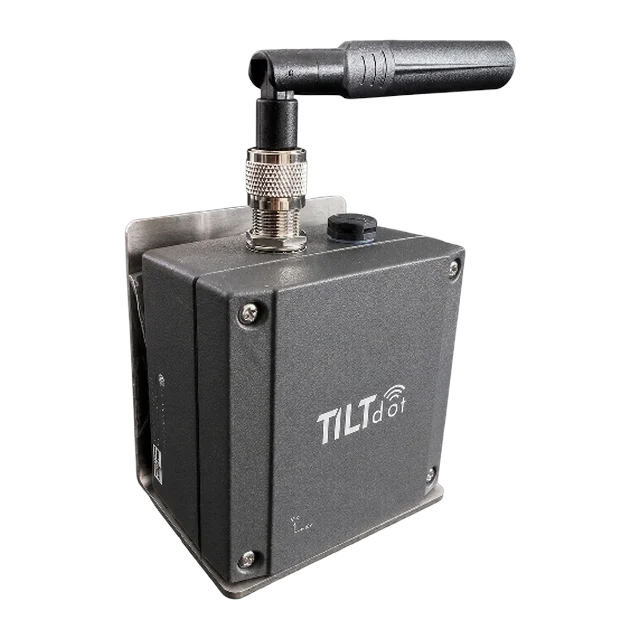
Long-term
Tilt sensor with distance laser
Battery-powered at midspan, measures the deflection at an interval with 0.1 mm resolution. The right choice for deflection trends over months and years.
To the Tilt Sensor
Application
Traffic load monitoring
How traffic loads are recorded and assessed, and which measuring methods can be used.
To traffic load monitoringRelated solutions
The sensor as part of a solution
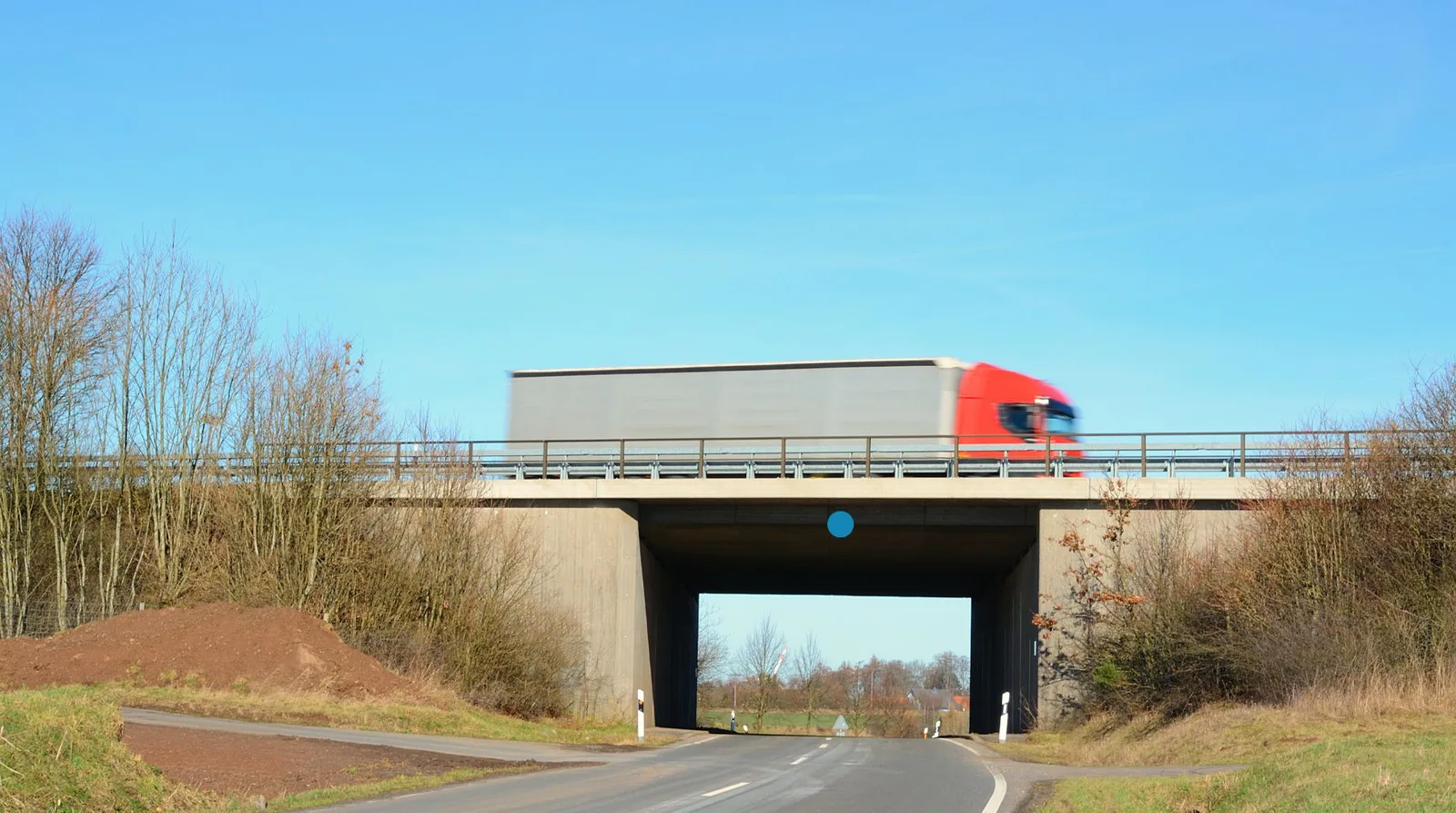
Traffic load monitoring
Record traffic loads and assess their effect on the structure.
Learn more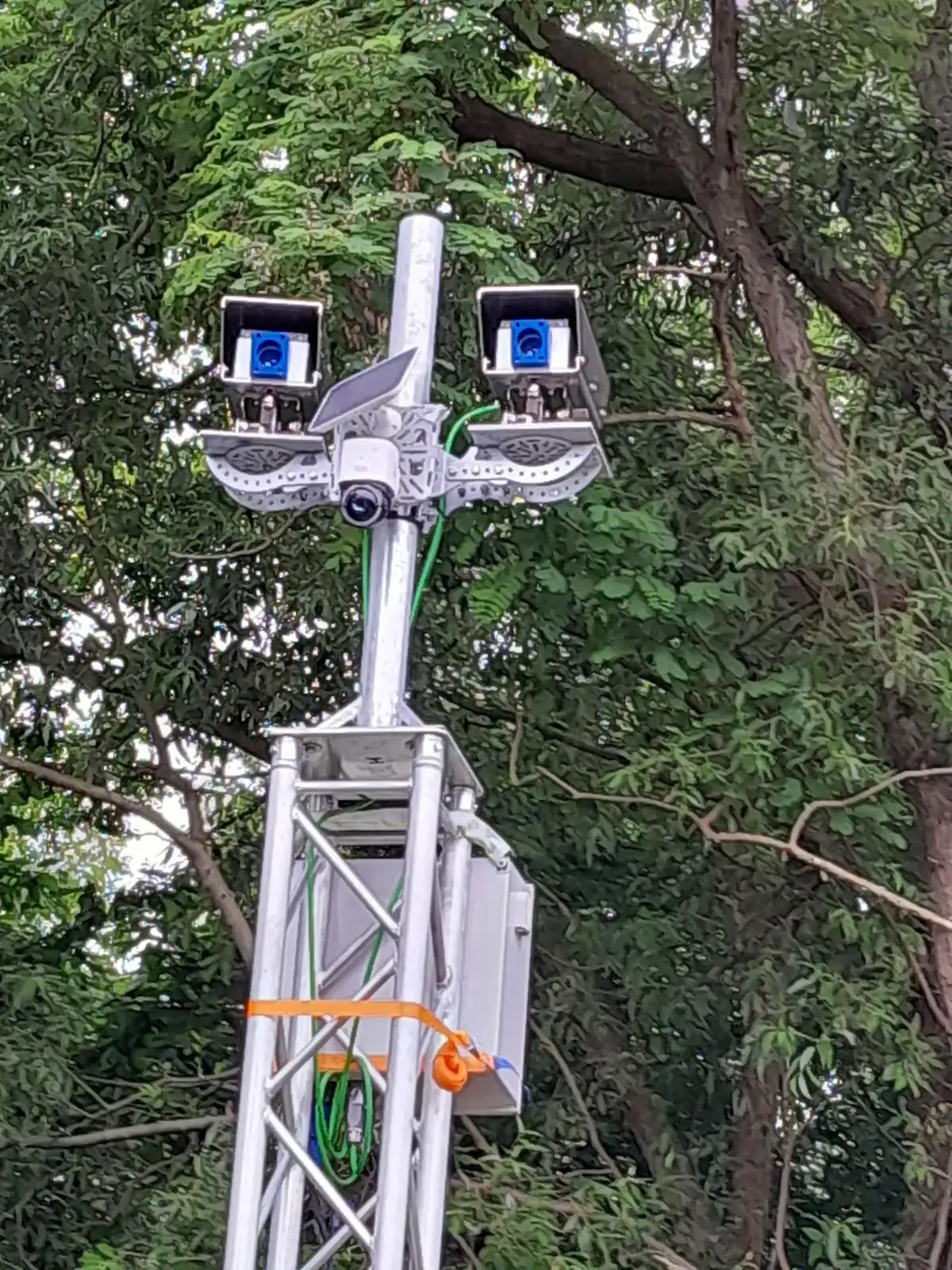
Stress corrosion cracking
Monitor prestressed concrete bridges with vulnerable prestressing steel until the replacement is built.
Learn more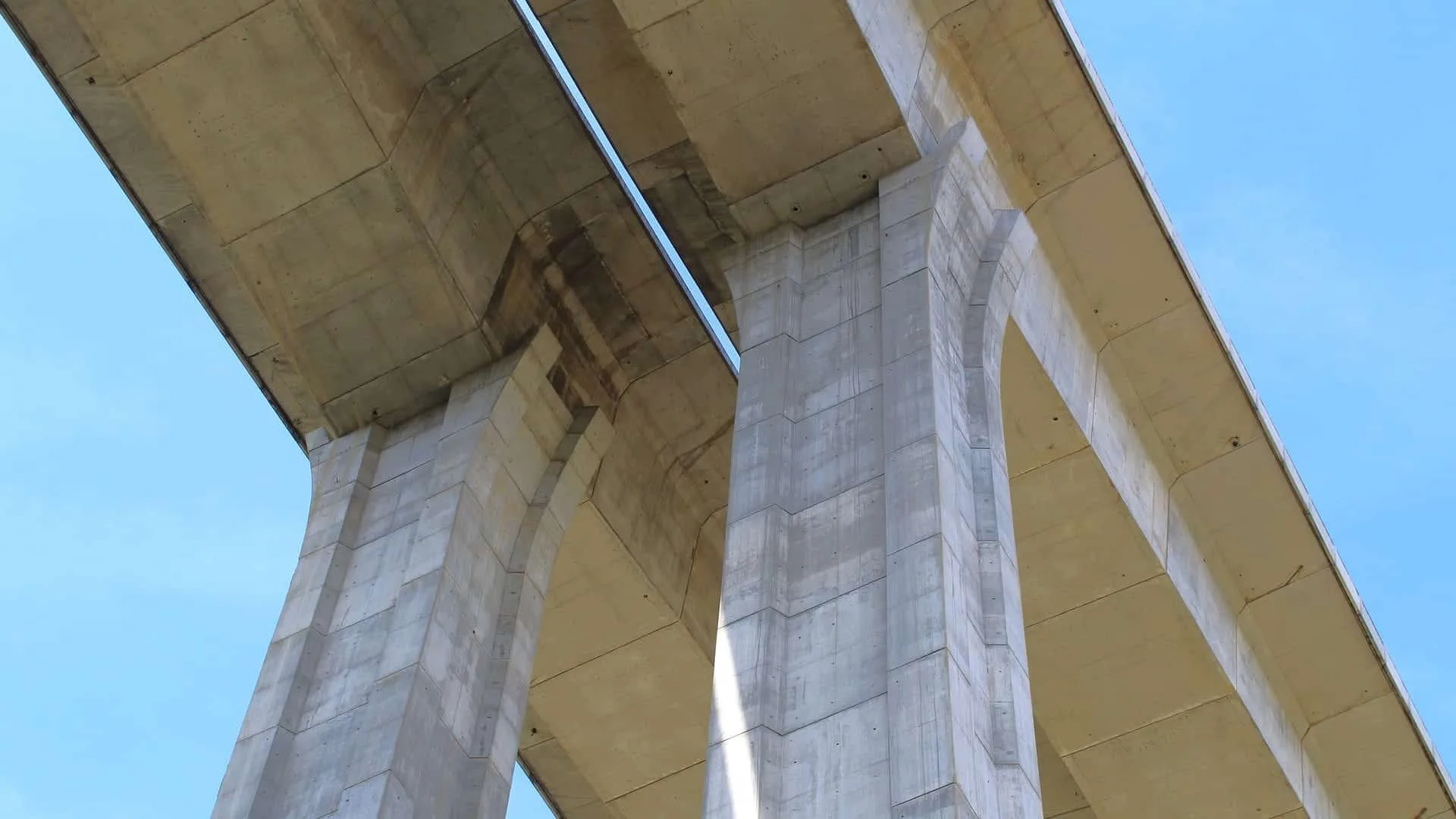
Bridge monitoring
Monitoring for bridges under construction and in service, from the pier to the superstructure.
Learn moreInfrasolute platform
Load events on the platform
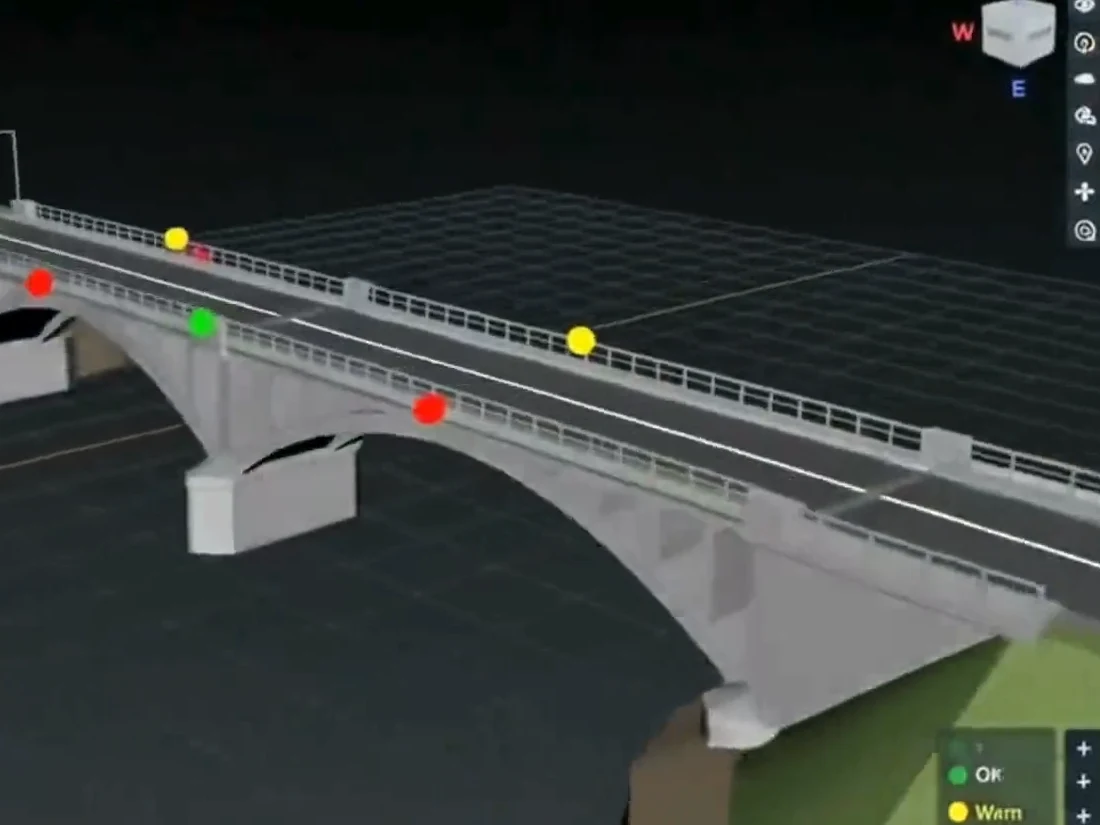
Every crossing appears with its weight class on the Infrasolute platform, as an individual event and in daily, weekly and monthly statistics, with an alert in case of overload.
Platform modules
Want to know what crosses your bridge?
Describe the structure, the span and your question to us. We check the mounting at midspan, the reference point and the procedure for the reference runs.
 Peter Nater

Frequently asked questions about the Distance Laser Live
How does indirect load measurement work?
Does the Distance Laser Live replace a weighbridge?
How is the system calibrated?
What does the structure need?
What does the operator see?
Project inquiry
Enquire about the Distance Laser Live
Tell us about the structure, the span, any load restriction and your question. We recommend the measuring position, reference point, weight classes and calibration procedure, and get back to you promptly.
+49 6742 8599600 DE +41 41 670 00 11 CH [email protected]