
Concrete monitoring: safeguard concrete structures

Concrete monitoring captures what stays hidden inside the component: moisture, reinforcement corrosion, cracks and structural change. This lets you detect damage to concrete structures early, before expensive repairs become necessary.

DIN 1076DIN 4150
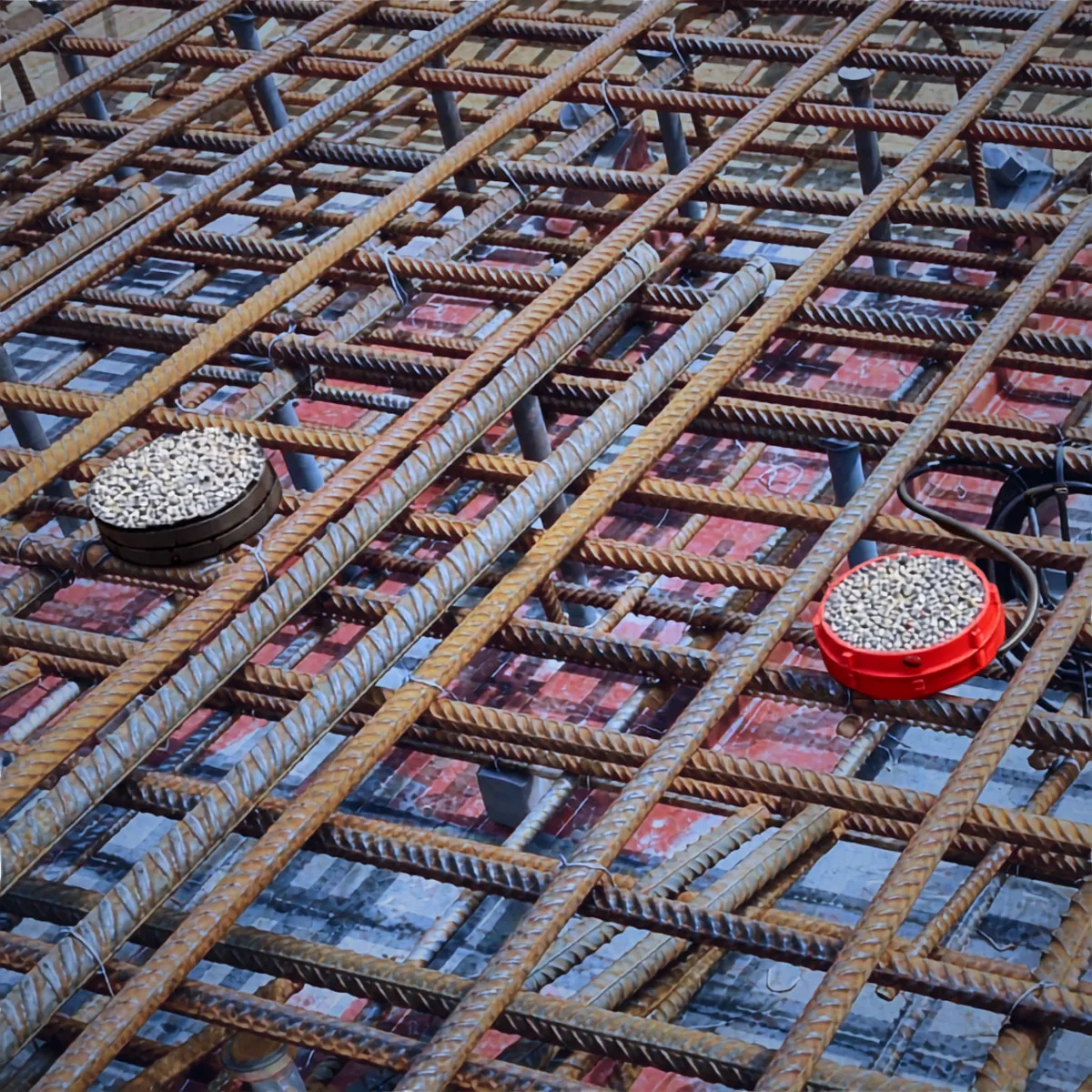
Two concrete sensors in the reinforcement mat, installed before concreting

Why concrete monitoring

Why concrete structures need closer monitoring

Rising traffic loads, harsher environmental conditions, and many structures approaching the end of their planned service life. The insidious part: the damage starts inside. Moisture, salts and reinforcement corrosion work unseen for years before a crack or rust stain appears on the surface. Reacting only then means an expensive repair. Sensors make these processes measurable and give you time to act in a targeted way rather than reactively, more cost-effectively and more reliably than visual inspection alone.

Request a quote

A view inside the concrete

Moisture and corrosion start where the eye cannot see: inside the structure of the concrete and at the reinforcement. The sensors make these processes measurable before they become visible on the surface.

Cable-free and energy-free

The corrosion and moisture sensors work without cables or external power. This makes them independent of temperature and delivers unaltered readings, permanently and with low maintenance.

New build and existing structures

The sensors can be integrated directly into the concrete during new construction or retrofitted to existing structures. This lets you protect both new and existing concrete structures with the same technology.

Central evaluation

All readings come together, are evaluated centrally and stored. Instead of isolated spot checks, a continuous picture of your concrete structure’s condition emerges.

Explainer video

Concrete monitoring in two and a half minutes

How moisture and corrosion develop in concrete, why visual inspection detects them too late, and how the CorroDec 2G sensor makes the condition permanently measurable.

Condition grade over the life cycle Demonstration only
1.0 2.0 3.0 4.0 010203040 Years after construction
without with monitoring and early repair

Without monitoring, repair based on visual inspection

Year 0, condition grade 1.0

New condition

With monitoring and early repair

Year 0, condition grade 1.0

New condition

Simulation

What concrete monitoring delivers over visual inspection

Classic structural inspection works with the eye and the hammer, at fixed intervals and at accessible points. Only what has already reached the surface becomes visible, and years can pass between two inspections. Concrete monitoring reverses this logic: it measures where the damage originates, and does so continuously. Instead of a snapshot, a continuous trend emerges that makes developments visible before they become a damage pattern.

The economic lever lies in the timing of the intervention. A moisture or corrosion development detected early can be stopped with limited effort. An advanced case of damage, by contrast, requires an extensive repair, often with the structure closed. Knowing the condition lets you plan maintenance proactively, extends service life and makes costs predictable. For portfolios of many similar structures, such as a network of bridges or a car park operator\u2019s fleet, this becomes a tangible economic advantage.

Moisture and corrosion

Measure moisture, detect reinforcement corrosion early

Cable-free, energy-free sensors, independent of temperature and permanently low-maintenance. Moisture measurement and sacrificial corrosion make hidden processes measurable before the load-bearing reinforcement is damaged.

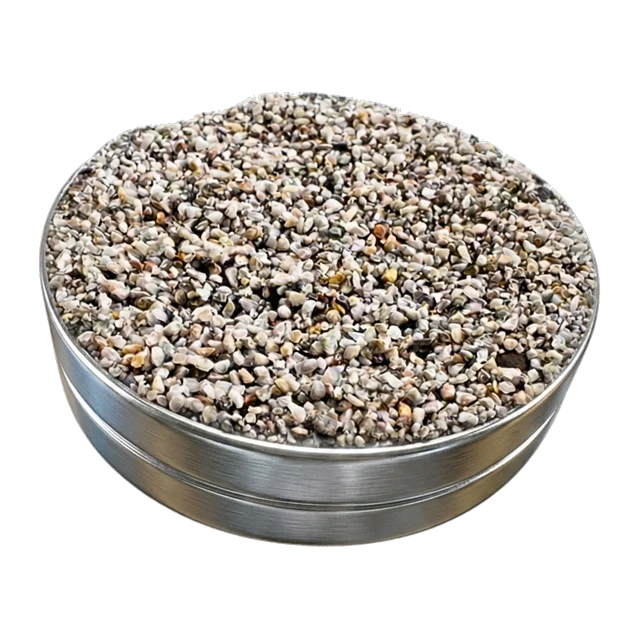
CorroDec 2G moisture sensor with a metal housing, cutout

The early indicator

Measuring moisture in concrete

Water is part of concrete. During construction it is essential together with cement, and after curing a residual moisture remains in the component. Concrete also lets water penetrate from outside to a certain depth. This is normal at first, but becomes a risk if too much moisture remains in the concrete.

That is because moisture rarely travels alone. Harmful salts enter the structure of the building along with the penetrating water. If the moisture content exceeds a critical level, the steel reinforcement can be damaged and the stability of the structure suffers. Precise measurement of the moisture level is therefore the foundation of every concrete monitoring programme.

Infrasolute’s moisture sensors record the condition inside the concrete continuously. They work without cables or external power, making them independent of temperature and delivering unaltered readings. Integrated during new construction or retrofitted to existing structures, they give a continuous picture of how moisture develops.
View the moisture sensor
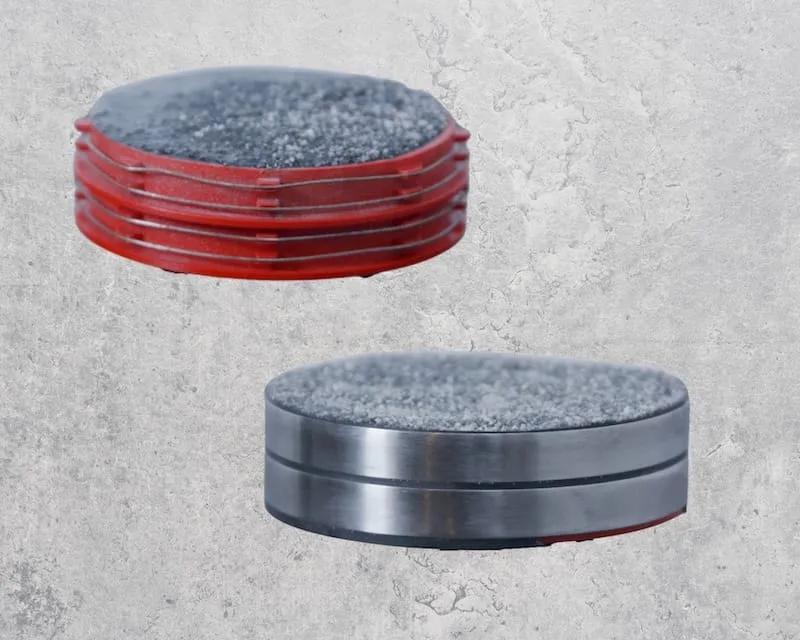
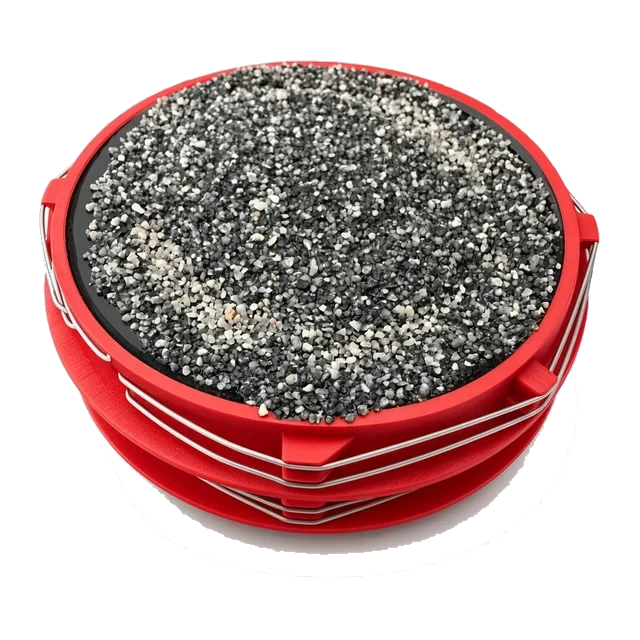
CorroDec 2G corrosion sensor with a red housing and wire monitoring, cutout

The confirmation

Detecting reinforcement corrosion early

The real danger comes from the salts that enter the concrete with the water, above all chlorides from de-icing salt or seawater. They attack the reinforcement. As the steel rusts, it loses cross-section and the increase in volume cracks the surrounding concrete. Repairing a structure with advanced reinforcement corrosion is one of the most expensive tasks in structural maintenance.

Infrasolute’s corrosion monitoring uses the principle of sacrificial corrosion. A sensor wire is exposed to the same corrosive environment on behalf of the reinforcement. If the wire is attacked, the corrosion condition of the structure can be inferred from it, before the load-bearing reinforcement itself is damaged.

The CorroDec 2G corrosion sensor puts this approach into technical practice. It provides an early, reliable indication of a corrosion-promoting environment in the concrete and gives operators the critical lead time for countermeasures.

View the corrosion sensor
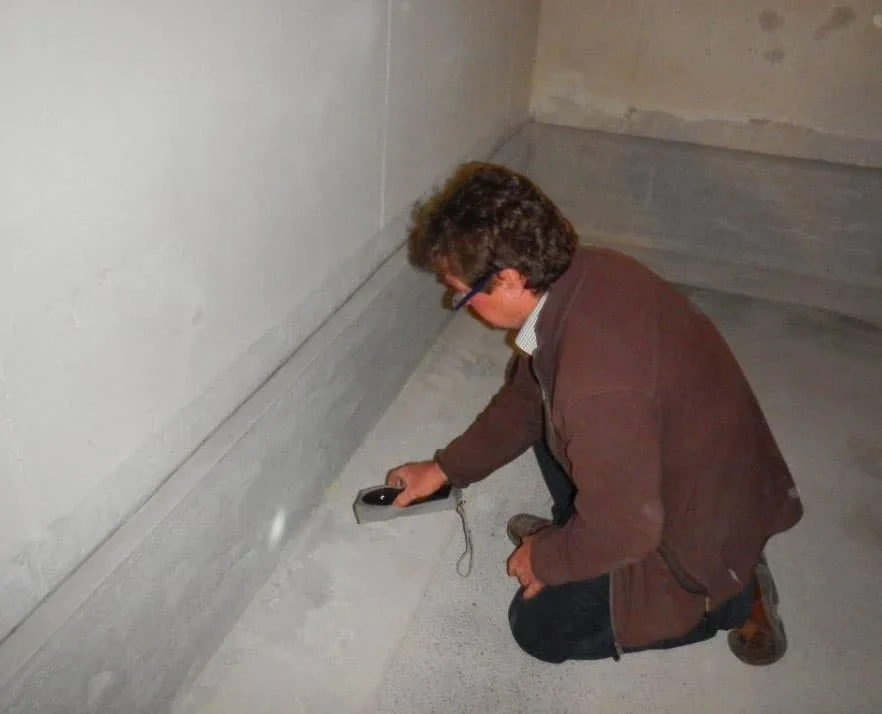
Readout of an embedded CorroDec 2G sensor with the handheld reader in a car park

On-site readout

Reader device

The CorroDec 2G works passively and without a battery. Only the reader device supplies it wirelessly with power during the query and delivers condition and readings within three to five seconds, without any intervention in the component.

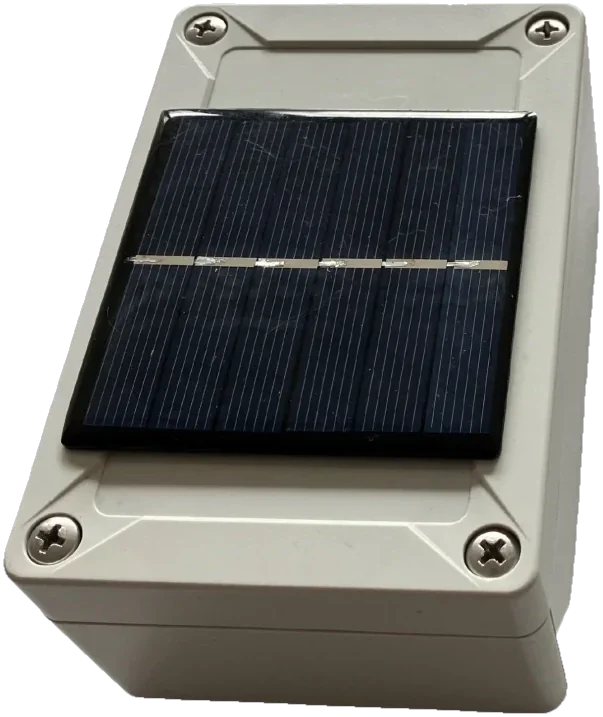
Gateway with a solar module for transmitting readings via mobile network

Data path

Gateway

The wireless sensors at the same structure, such as crack and tilt sensors, send their readings to a gateway. It transmits them via mobile network into the online portal and is powered, depending on location, by a solar module or a battery.

Stress corrosion cracking

Stress corrosion cracking in prestressed structures

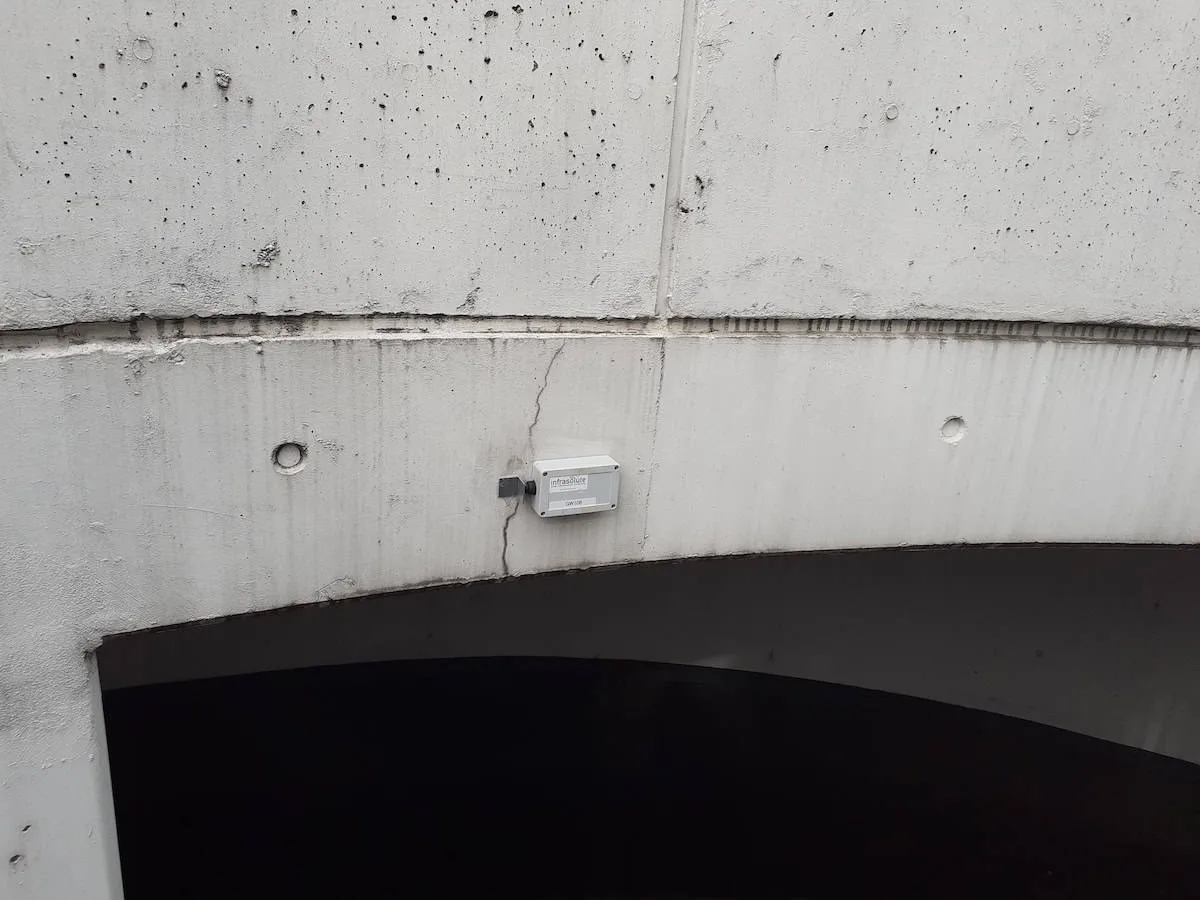
A particularly dangerous form of damage is stress corrosion cracking (SCC). It results from the combination of mechanical tensile stress and corrosive media such as chlorides or moisture, and occurs mainly in prestressed bridge structures. The insidious part: it progresses gradually and hidden inside the component.

Concrete monitoring addresses the risk on two levels

Detecting the corrosive environment

The moisture and corrosion sensors detect the corrosive environment that allows stress corrosion cracking to occur in the first place, long before the prestressing steel is damaged.

Monitoring load-bearing behaviour

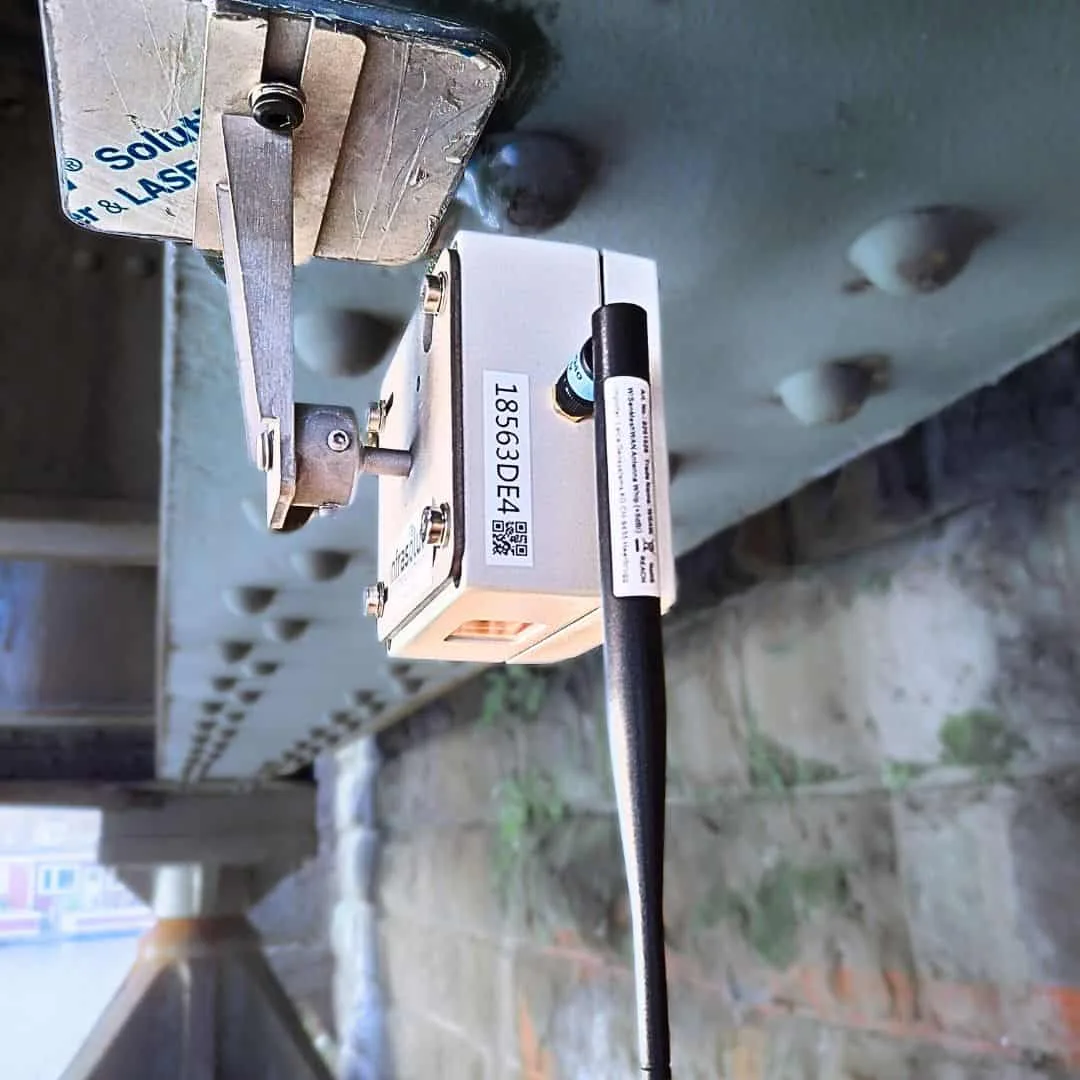
In addition, laser-based deflection monitoring makes changes in load-bearing behaviour visible that point to progressive damage to the prestressing steel.

Together, this forms an early-warning system for a damage mechanism that would otherwise only be noticed at the point of failure.

New build and existing structures

Integrate in new builds, retrofit existing structures

The timing of installation is freely chosen. All readings are evaluated centrally and stored. This produces, instead of isolated spot checks, a robust data series that makes the structure’s condition traceable over years. For operators, inspecting engineers and authorities, this is a solid basis for maintenance decisions.

New build

Sensors from day one

In new builds, sensors can be integrated directly into the concrete and deliver data from the start. The condition of the structure is documented without gaps from the moment of construction.

Existing structures

Making the hidden visible

In existing structures, sensors are retrofitted to make hidden processes such as moisture ingress and reinforcement corrosion visible and to document how they develop.

For new builds, measurement starts before formwork is struck: temperature, maturity and strength in the fresh component are covered by concrete maturity monitoring. The long-term sensors then take over.

Particularly at risk

Protecting car parks, underground car parks and bridges

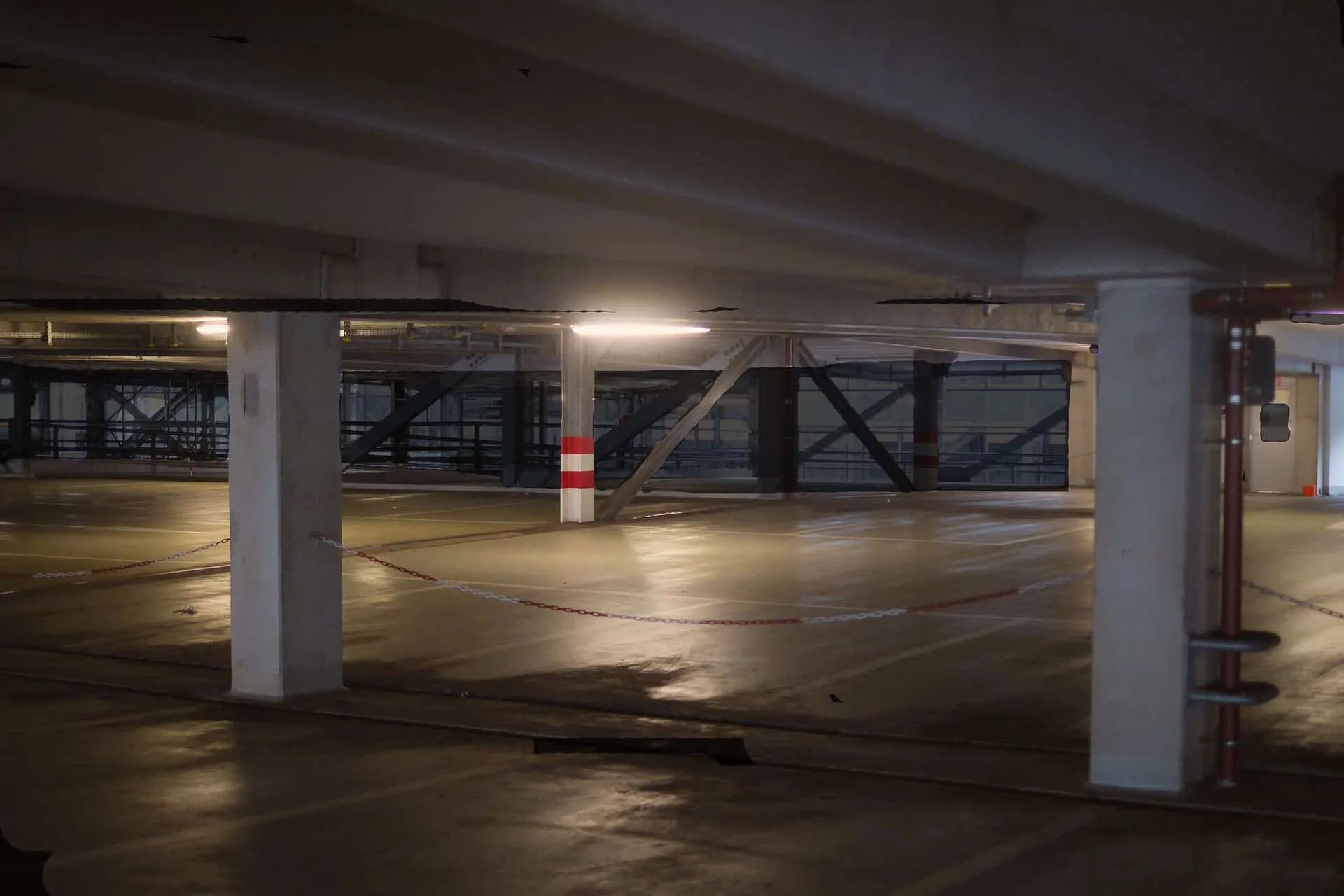
Not every concrete structure is at equal risk. Wherever de-icing salt, grit salt or seawater comes into play, the risk of chloride exposure rises significantly. Car parks and underground car parks are therefore among the most critical structures of all: in winter, vehicle tyres continuously bring in chloride-laden moisture, which accumulates in the deck slabs and columns.

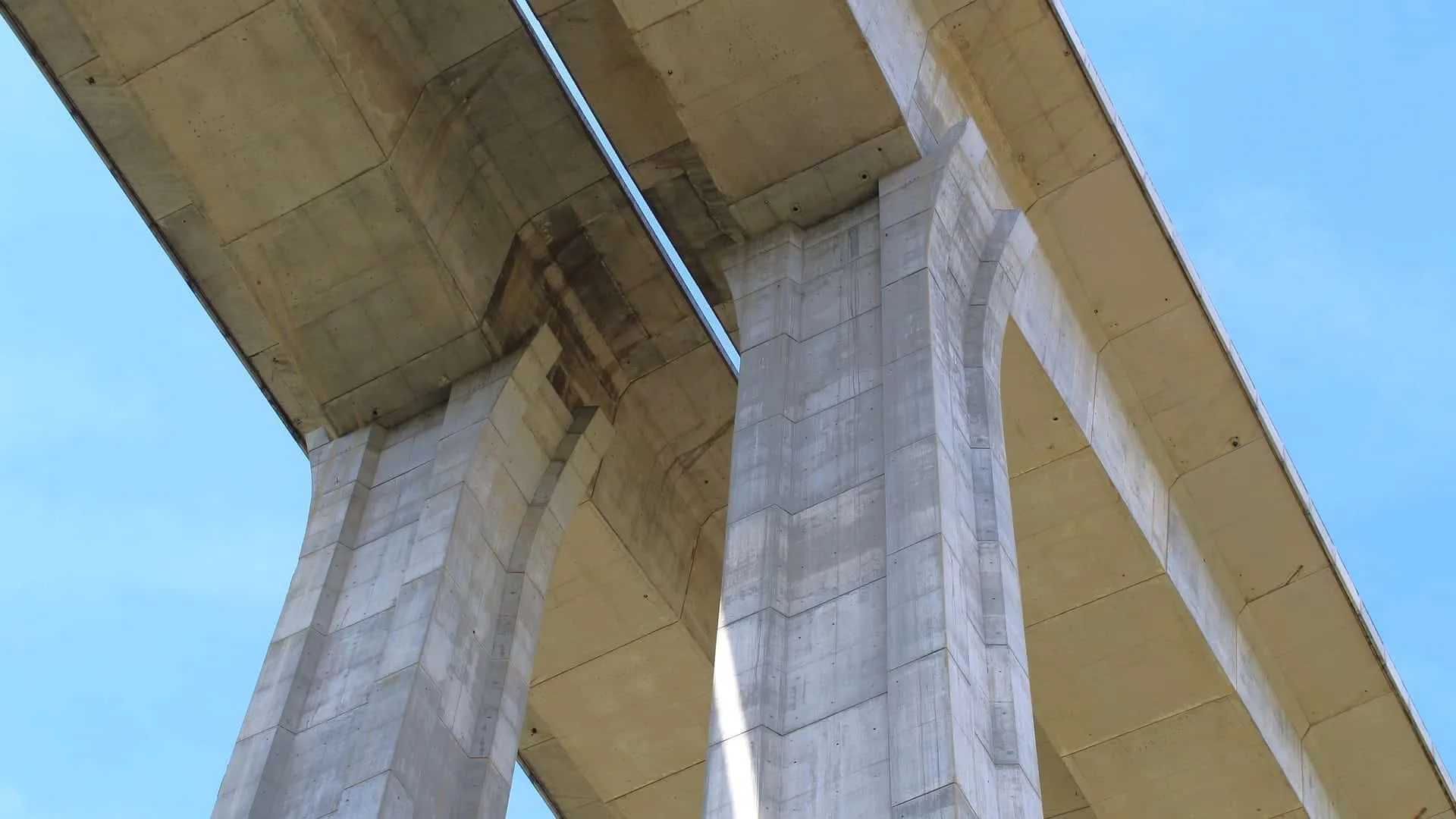
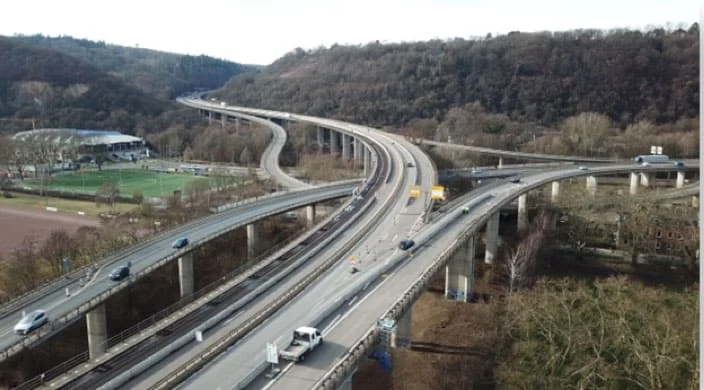
The same applies to bridges whose carriageways are salted in winter, and to structures near coasts and ports. Concrete monitoring pays off here in particular, because the moisture and corrosion sensors reveal chloride ingress and its consequences before the reinforcement is damaged. Operators of such structures gain the basis for targeting maintenance exactly where it is really needed.

  • Bridges and civil engineering structures of prestressed and reinforced concrete
  • Car parks and underground car parks exposed to chloride
  • Tunnels and underground concrete structures
  • New builds with integrated sensors from the point of construction
  • Existing structures suspected of reinforcement corrosion

Concrete monitoring for your structure

Whether a bridge, car park, tunnel or new build: tell us about your structure and its critical points. We match the sensors to moisture, corrosion and movement so you can detect damage early and plan repairs in a targeted way.

Roman Koch Roman Koch

Data platform

All readings on one platform

The sensors transmit their readings wirelessly to the data platform, where they are evaluated, documented and continuously checked against your thresholds.

  • AI-assisted data analysis
  • User-focused reporting
  • Continuous evaluation
  • Warning and alarm thresholds
  • Alerts by email and text message
  • Remote access around the clock
More on monitoring & alerting
Monitoring platform Sample view
Reading history within limits
Warning threshold
  • AI-assisted data analysis Condition within limits
  • User-focused reporting Report ready
  • Alerting Thresholds monitored
FAQ

Frequently asked questions

What does concrete monitoring from Infrasolute cover?
Concrete monitoring captures the key damage mechanisms of concrete structures through sensors: moisture in the concrete, corrosion of the reinforcement, crack formation and structural change. The readings are evaluated centrally and stored. This lets you detect emerging damage early and plan repairs before the substance is at risk. The sensors can be integrated at new build stage or retrofitted to existing structures.
How does corrosion monitoring in concrete work?
Corrosion monitoring works on the principle of sacrificial corrosion. A sensor wire is embedded in the concrete and exposed to the corrosive environment on behalf of the reinforcement. If the wire is attacked, a statement about the structure’s corrosion condition can be derived from it. The CorroDec 2G corrosion sensor thereby provides an early indication, long before the actual reinforcement is damaged.
Why is moisture in concrete a problem?
During concreting, water is required together with cement, and after curing a residual moisture remains. Concrete also lets water penetrate to a certain depth. Too much moisture puts the reinforcement at risk because penetrating water brings in harmful salts. Precise measurement of the moisture level is therefore crucial to securing the structure’s stability in the long term.
Can concrete monitoring detect stress corrosion cracking?
Stress corrosion cracking results from the combination of mechanical tensile stress and corrosive media such as chlorides or moisture, and occurs particularly in prestressed bridges. It progresses hidden inside the structure. Concrete monitoring addresses this in two ways: the moisture and corrosion sensors detect the corrosive environment, while laser-based deflection monitoring makes changes in load-bearing behaviour visible.
Can concrete monitoring be retrofitted?
Yes. The sensors can be integrated directly into the concrete during new construction or retrofitted to existing structures. Retrofitting is particularly useful for older bridges, car parks and tunnels, to make hidden processes such as moisture ingress and reinforcement corrosion visible and to document the ongoing condition over time.
Does temperature affect the readings of concrete monitoring?
The corrosion and moisture sensors work without cables or external power and are therefore independent of temperature. They deliver unaltered readings even under fluctuating ambient conditions. Additional sensors record the concrete temperature itself, so that temperature-related effects can be separated from genuine structural change during evaluation.

Project inquiry

Make the hidden measurable

Infrasolute's concrete monitoring protects your structure by making the hidden measurable. On request, we support you from selecting measuring points, through integration in new builds or existing structures, to ongoing data evaluation. We will get back to you shortly.

+49 6742 8599600 DE +41 41 670 00 11 CH [email protected]
Project inquiry