

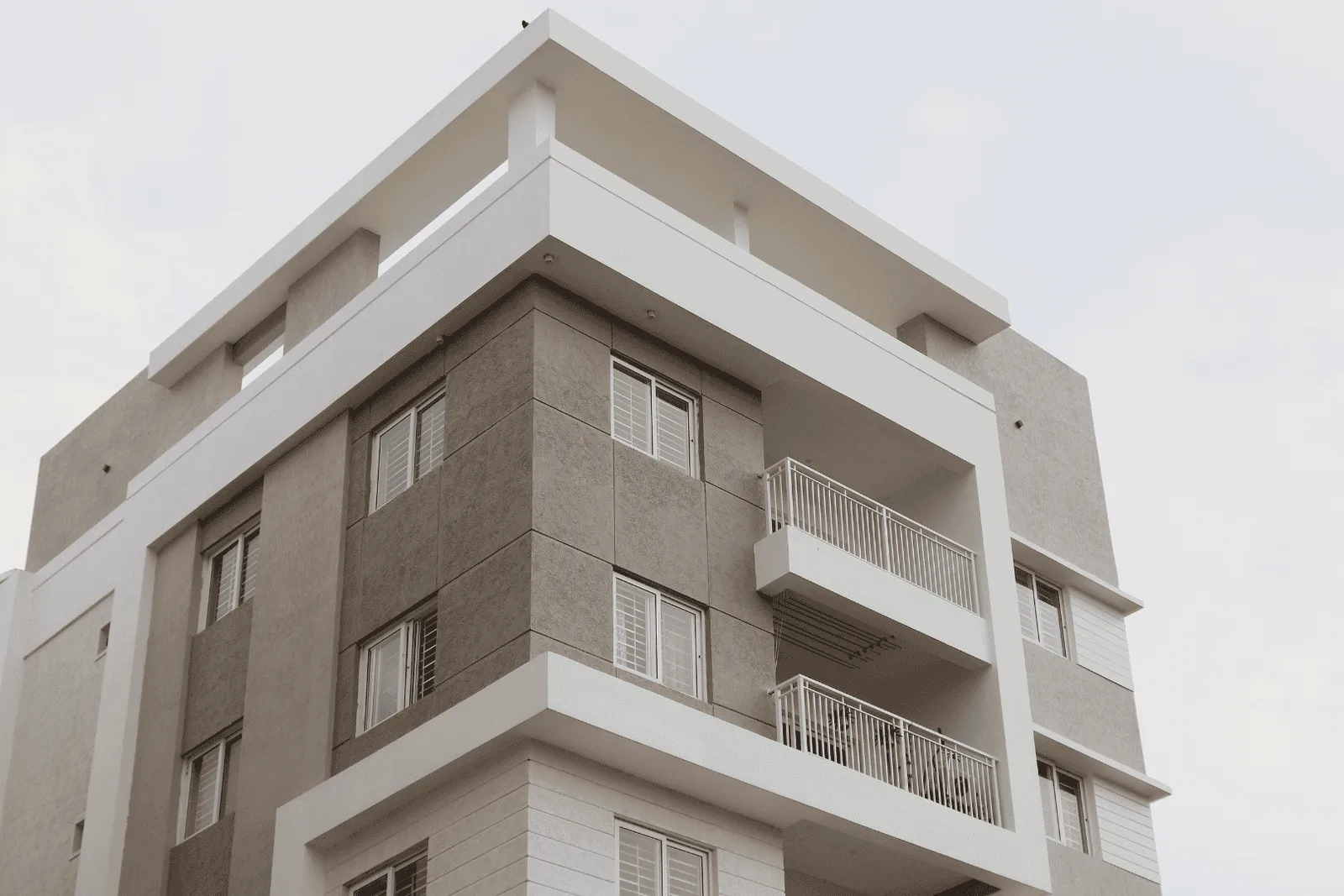
Keep balconies safe, decide on refurbishment with data.
Balconies at risk of collapse and damaged facades show up in the measurement data first. Wireless sensors capture tilt, cracks, moisture and corrosion continuously, without structural intervention and without disturbing residents.
Benefits for owners & managers
Why balconies and existing buildings are monitored
Balconies and facades are permanently exposed to the weather. Continuous data gives residents and operators security and makes refurbishment decisions transparent.
Request a quoteDetect collapse risk early
Tilt, crack width and corrosion show up in the measurement data long before a balcony takes visible damage. That leaves time to act before safety is at risk.
Decide on refurbishment with data
Instead of repairing on suspicion, measurements document the actual condition. You refurbish in a targeted way and at the right moment, neither too early nor too late.
Meet your duty of care
Complete documentation of the structural condition supports owners and management companies in meeting their duty of care and public safety obligation.
Salt and weather under control
Near the coast especially, salt-laden air attacks the fabric of the building. Corrosion and moisture sensors capture these processes precisely, right where they occur.
Prove refurbishment success
After repair or refurbishment, the sensors show whether the measure is working. Success becomes measurable instead of assumed.
No structural intervention needed
The wireless sensors can be retrofitted to existing buildings, placed per balcony and read out via a gateway, without disturbing residents.
Decide with data
When the tilt reaches the threshold
A balcony does not tilt overnight. The tilt grows gradually. Continuous measurement makes the trend visible and reports automatically as soon as a threshold is reached, exactly the moment refurbishment becomes due.
- 01
Trend instead of a snapshot
Tilt is captured over months, not only at a single inspection.
- 02
Threshold alerting
Once the defined threshold is reached, the system reports automatically by email and SMS.
- 03
A documented decision
Refurbishment is decided transparently and documented, not on suspicion.
Status
Monitoring active
Recommendation
Start refurbishment
Example trend for illustration.
What we monitor
From balcony to concrete structure
The right sensor for every component, combined into continuous monitoring of the building.
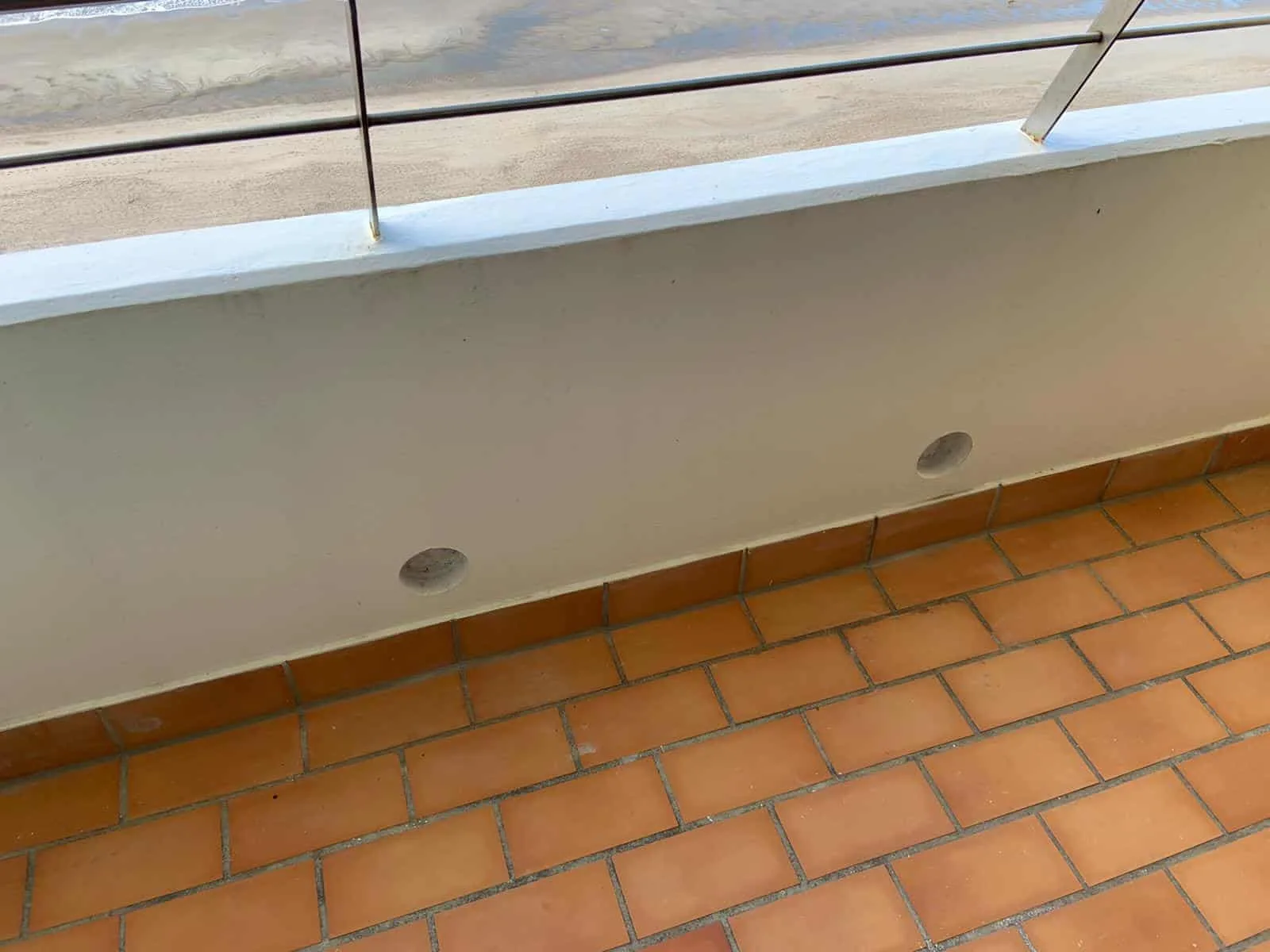
Balconies on existing buildings
Exposed balconies face wind, rain and frost. Tilt sensors detect the start of a tilt, crack and moisture sensors detect corrosion in the concrete and anchoring, captured separately for each balcony.
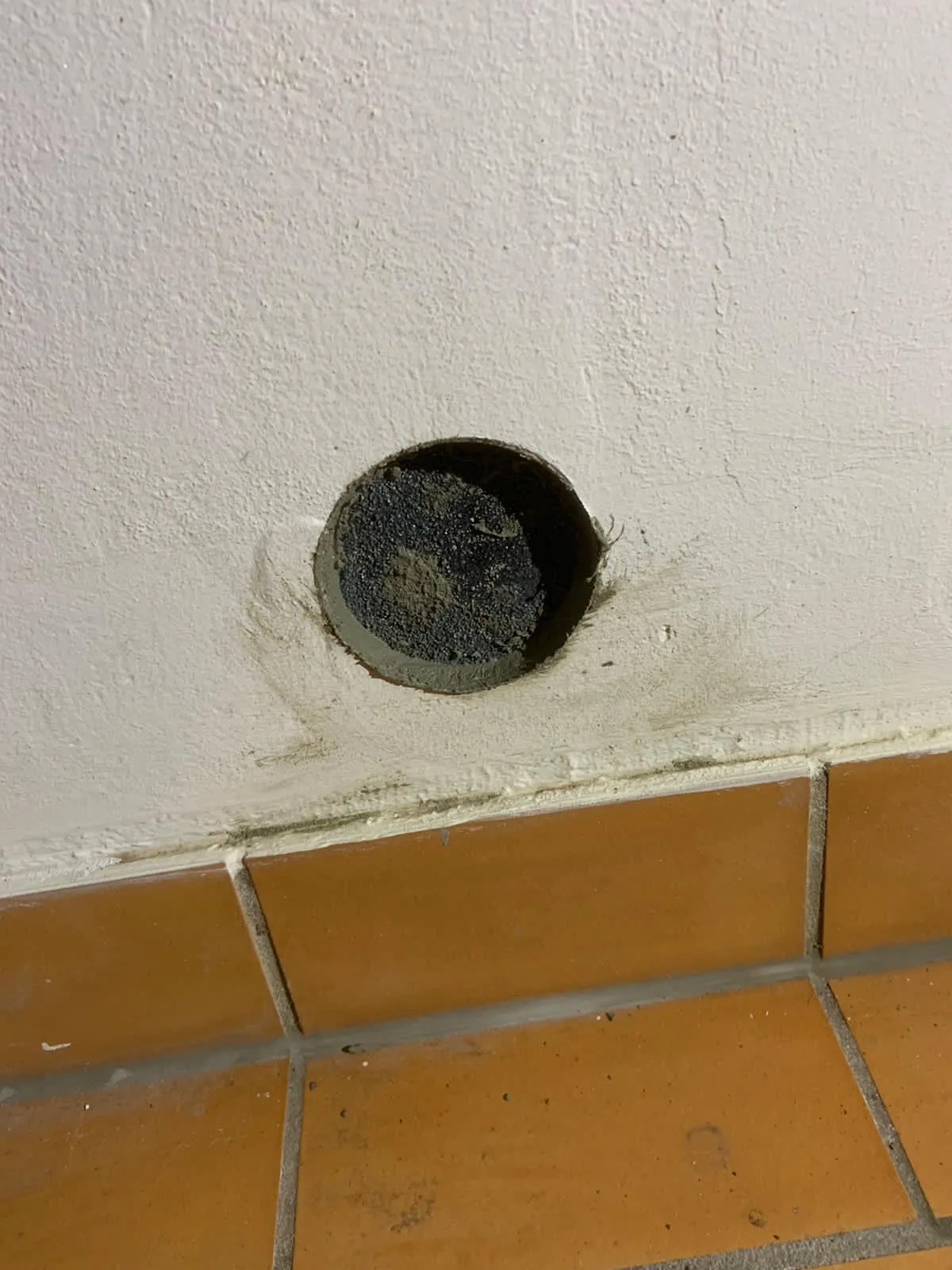
Facades & attached elements
On facades, canopies and suspended elements, the anchoring determines safety. Continuous measurement of movement and moisture makes critical changes visible before they become a hazard.
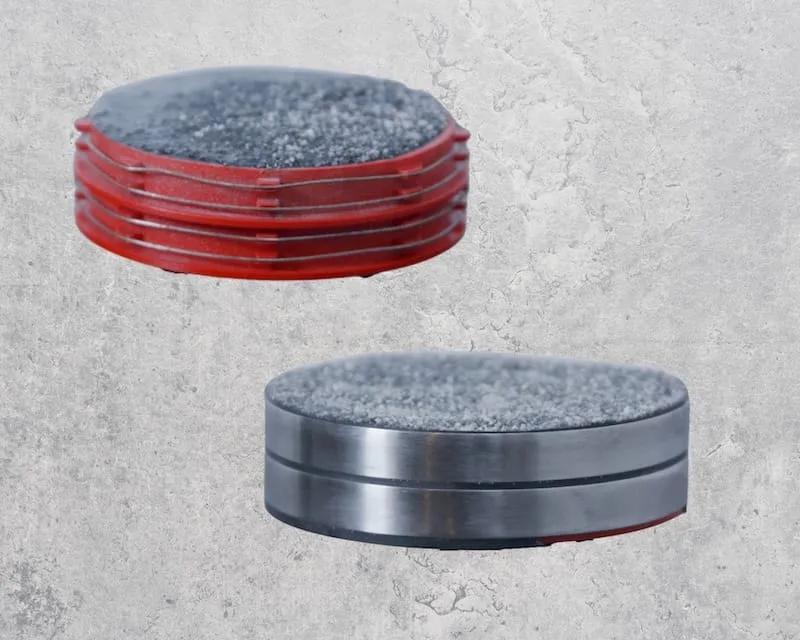
Concrete structure in existing buildings
For permanent monitoring of the concrete structure, passive corrosion and moisture sensors capture the condition directly in the component. Ideal for objectively assessing the remaining service life of existing buildings.
Matching solutions
Monitoring solutions for balconies and buildings
Individually or combined, always tailored to the component and the load.
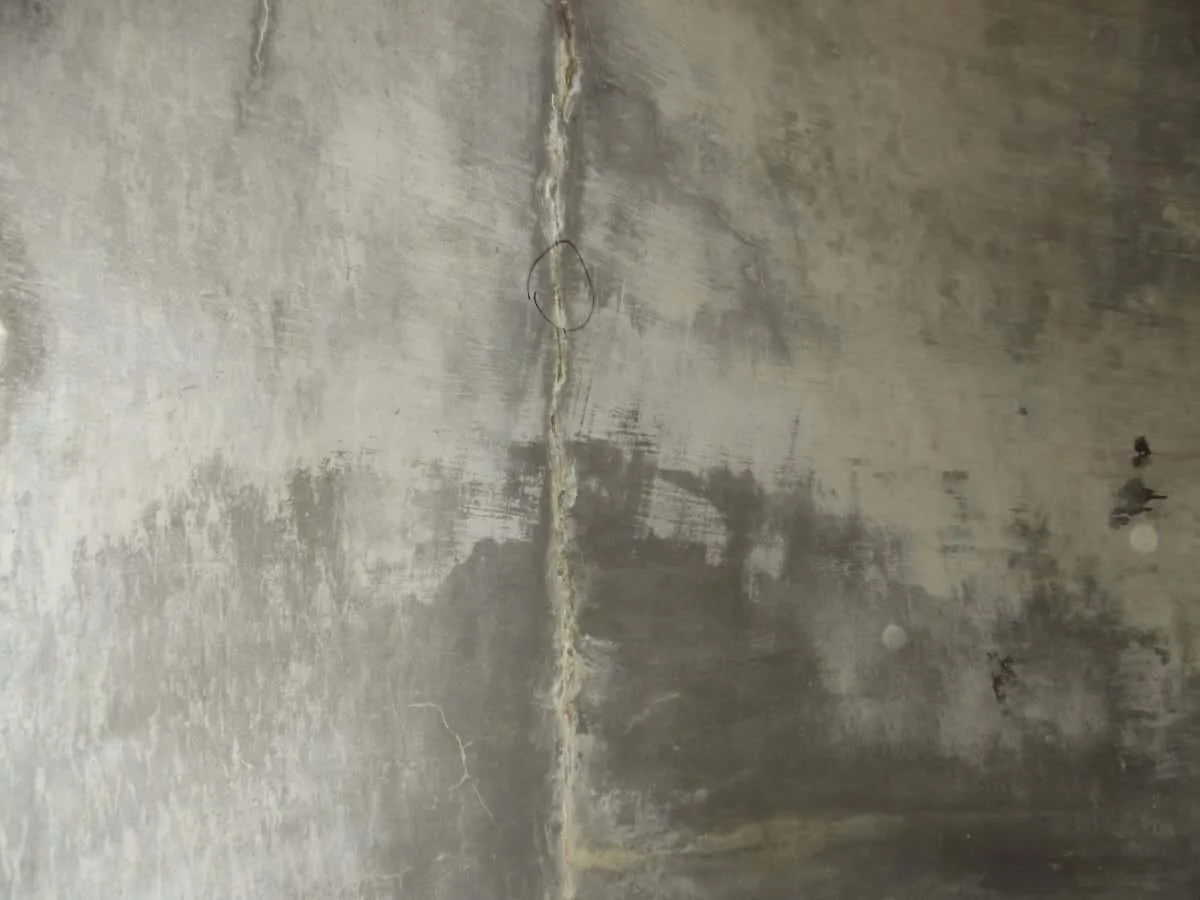
Crack monitoring
Monitor crack widths on balcony slabs, anchoring and facades to the millimetre.
Learn more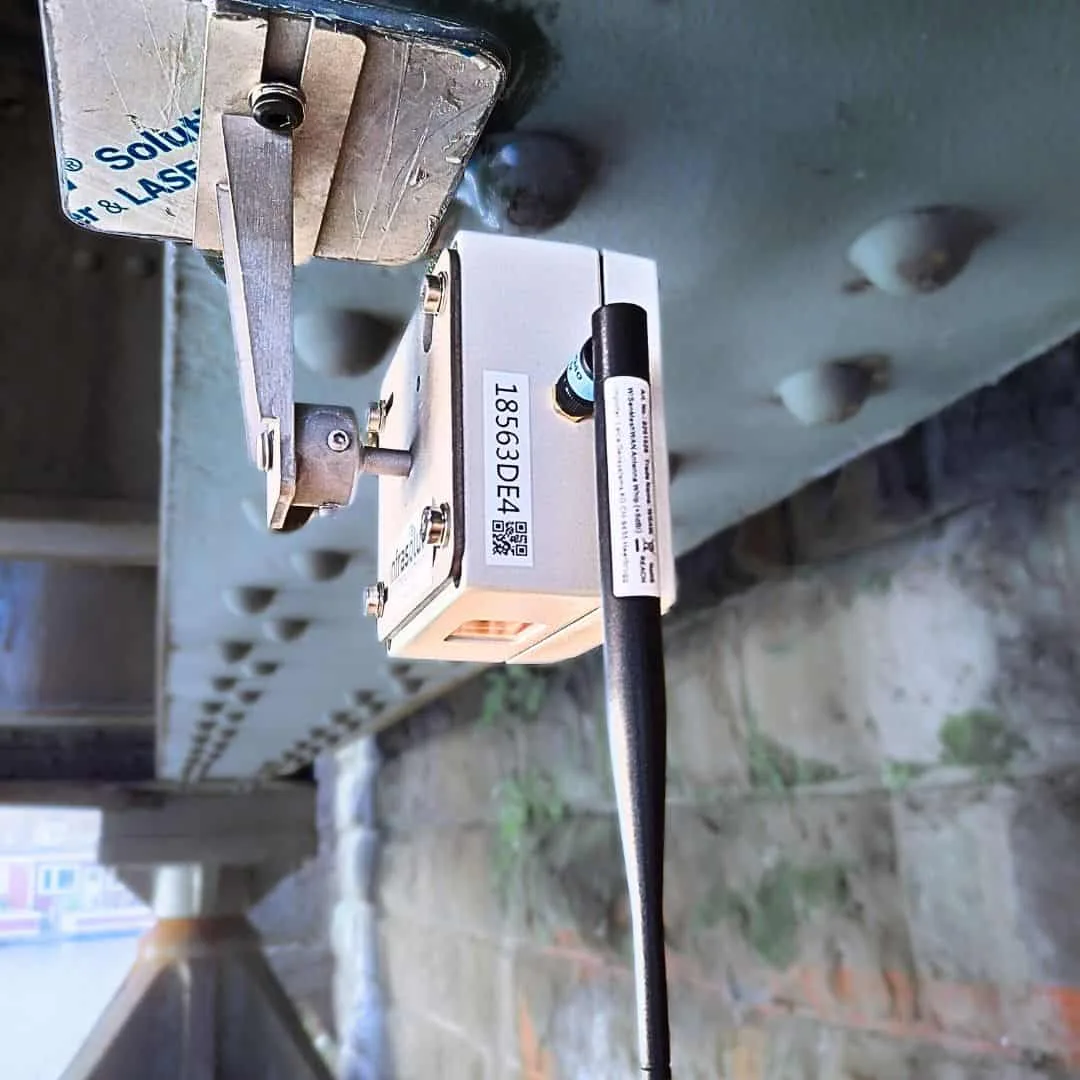
Tilt and settlement monitoring
Detect the start of tilting and deformation of balconies and attached elements early.
Learn more Concrete monitoring
Permanently and passively monitor corrosion and moisture in the concrete structure.
Learn moreEverything from a single source
One point of contact for the whole monitoring
You get a complete solution, not separate parts, from concept to ongoing operation.
Concept
We define measuring points, thresholds and sensor technology, tailored to the balcony, facade and exposure to weather and salt.
Go to serviceInstallation
Wireless sensors are placed per component without structural intervention and commissioned via a gateway.
Go to serviceMaintenance and operation
As monitoring as a service, we take care of evaluation, maintenance and ongoing monitoring, online 24/7.
Go to serviceMonitoring and alerting
If thresholds are reached, the system alerts automatically by email and SMS, so action can be taken in time.
Go to serviceFrom practice
Reference: balcony complex on Sylt
An example of how wireless sensors monitor balconies permanently, even under aggressive conditions.
Monitoring against saltwater corrosion
A balcony complex on Sylt was at high risk of corrosion from salt-laden seawater. Energy-free corrosion and moisture sensors were placed per balcony to continuously capture the corrosion process and detect damage early.
- Sensors placed and captured per balcony individually
- Data transmitted online around the clock via a gateway
- Installation without disturbing residents and holiday guests
- Degree of corrosion and structural condition readable at any time
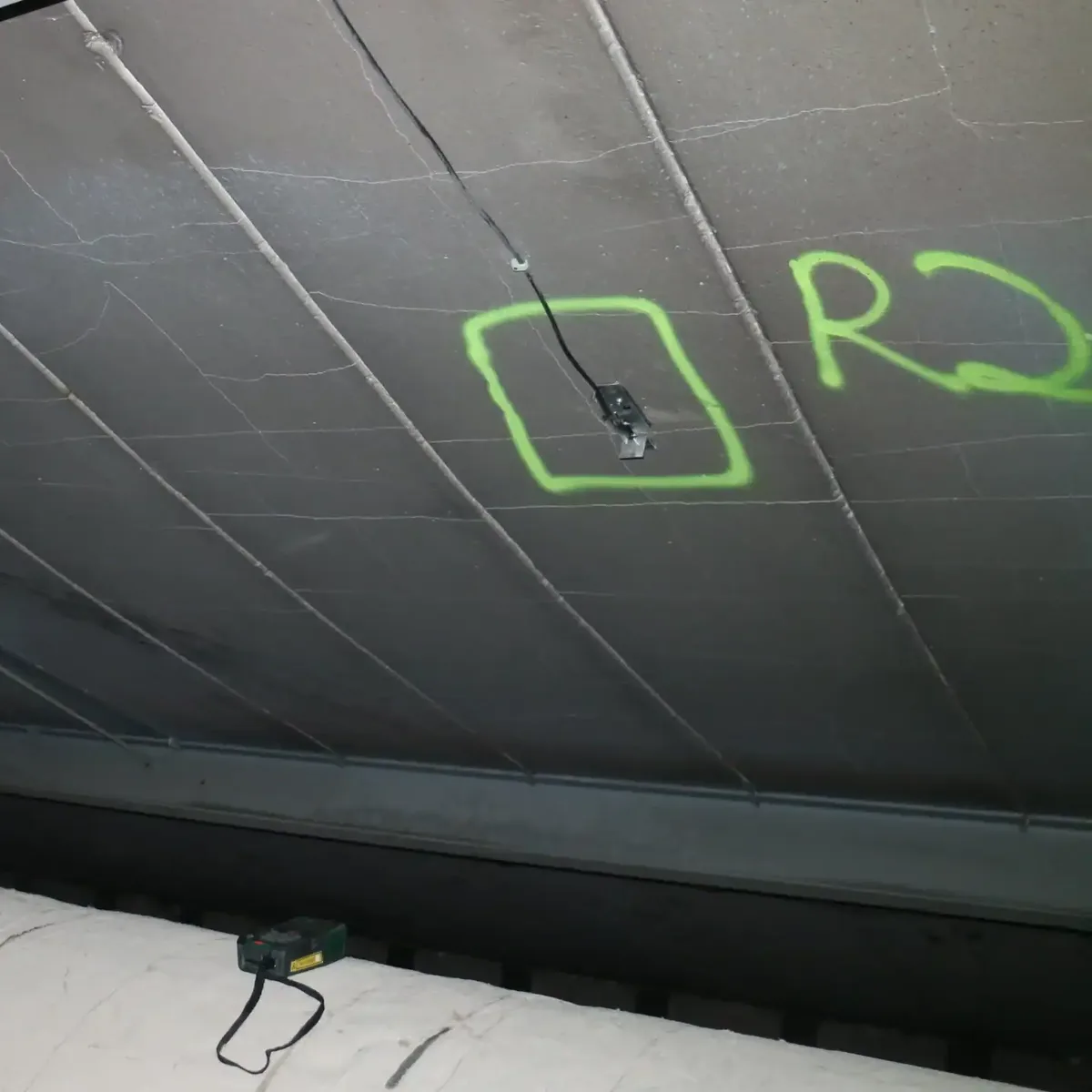
Matching sensors
This sensor technology secures balconies and facades
Moisture in the concrete, crack width and tilt are the quantities that matter here. These are the devices behind them.
 ProductsMoisture sensor CorroDec 2GPassive RFID sensor for moisture directly in the concrete, energy-free and long-lasting.
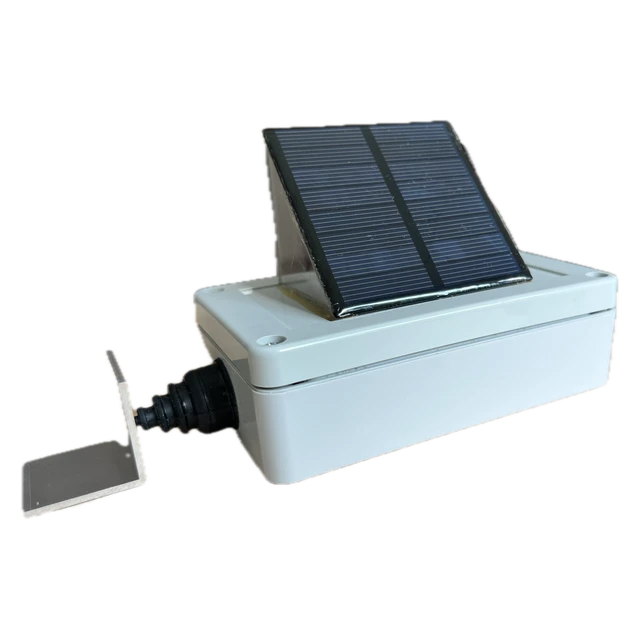 ProductsCrack sensorCrack width with 0.003 mm resolution, available with solar, long-life battery or mains power.
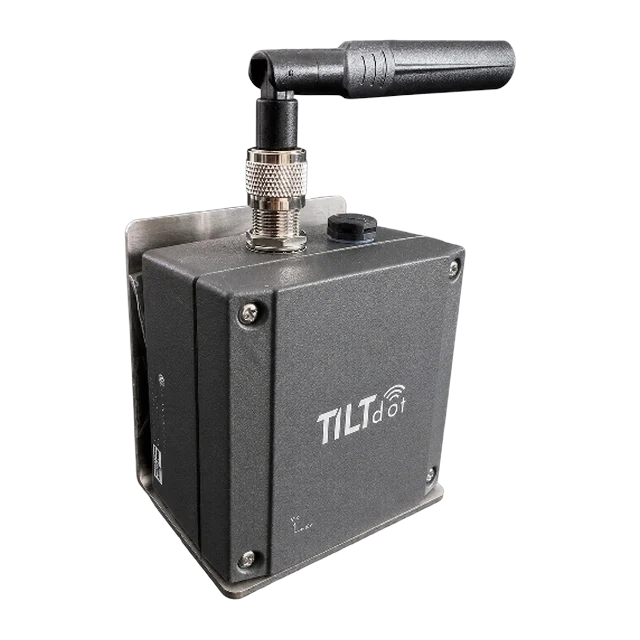 ProductsTilt sensorTilt and settlement of load-bearing components from 0.001°, gateway integrated.
Monitoring for balconies and facades
Describe the structure and your question to us. We will recommend how many measuring points make sense and which quantities you should keep an eye on.
 Benedikt Seuss
Data platform
All readings on one platform
The sensors transmit their readings wirelessly to the data platform, where they are evaluated, documented and continuously checked against your thresholds.
- AI-assisted data analysis
- User-focused reporting
- Continuous evaluation
- Warning and alarm thresholds
- Alerts by email and text message
- Remote access around the clock
- AI-assisted data analysis Condition within limits
- User-focused reporting Report ready
- Alerting Thresholds monitored
Basis for decisions
What you can decide at the balcony complex
With balconies it comes down to personal safety, and the decision often covers a whole portfolio rather than a single component.
- 01
Close a balcony or keep it in use
A balcony at risk of collapse must be closed. A monitored one does not. Measurement separates the two cases instead of closing everything when in doubt.
- 02
Refurbish or demolish and rebuild
Whether a repair is still worthwhile depends on how fast the condition is changing. Only a trend over several months shows that.
- 03
Prioritise across the portfolio
For a residential complex with many similar balconies, measurement decides which one comes first and which one still has time.
- 04
Prove the duty of care to residents
Owners and managers are liable for usability. Documented monitoring proves that the condition was known and tracked.
- 05
Reduce the cost of recurring inspection
Instead of regularly sending a surveyor across the whole portfolio, inspection is targeted at the points where something is actually moving.
Frequently asked questions about balconies & buildings
How is a balcony at risk of collapse identified in time?
How does monitoring help with the refurbishment decision?
Does the installation disturb residents?
Is the monitoring also suitable for buildings near the coast?
Can the system be retrofitted to existing buildings?
Project inquiry
Bring safety to your balconies and facades
Tell us about the structure and your question. You will receive a solid initial assessment shortly, including suitable measuring quantities and sensors.
+49 6742 8599600 DE +41 41 670 00 11 CH [email protected]