

Tunnel on the A96: Residual Chlorides After Rehabilitation
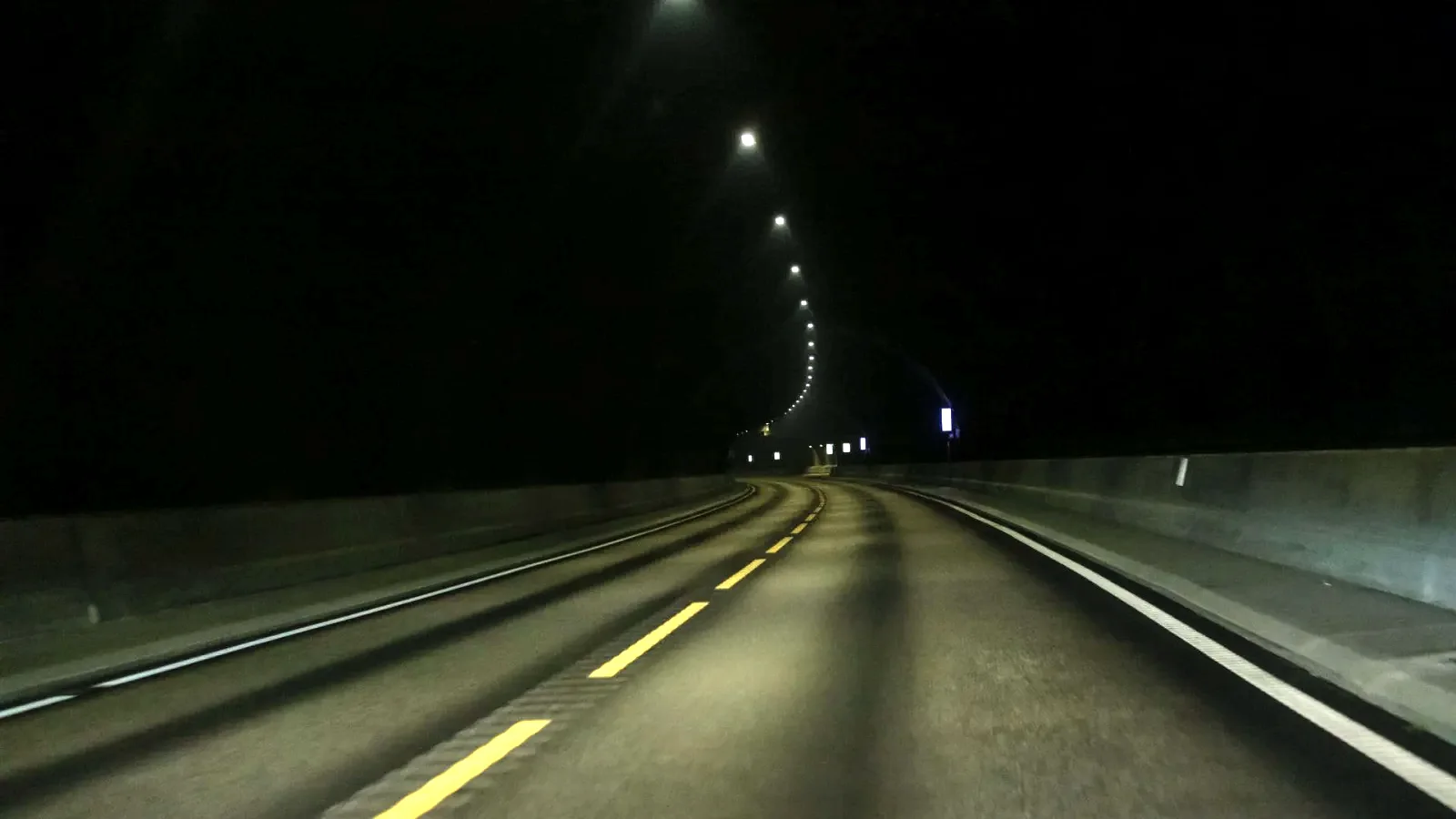
Project facts
- Structure type
- Motorway tunnel
- Location
- Bavaria, A96
- Task
- Observe residual chlorides and the effectiveness of the surface protection over a long period
- Sensors installed
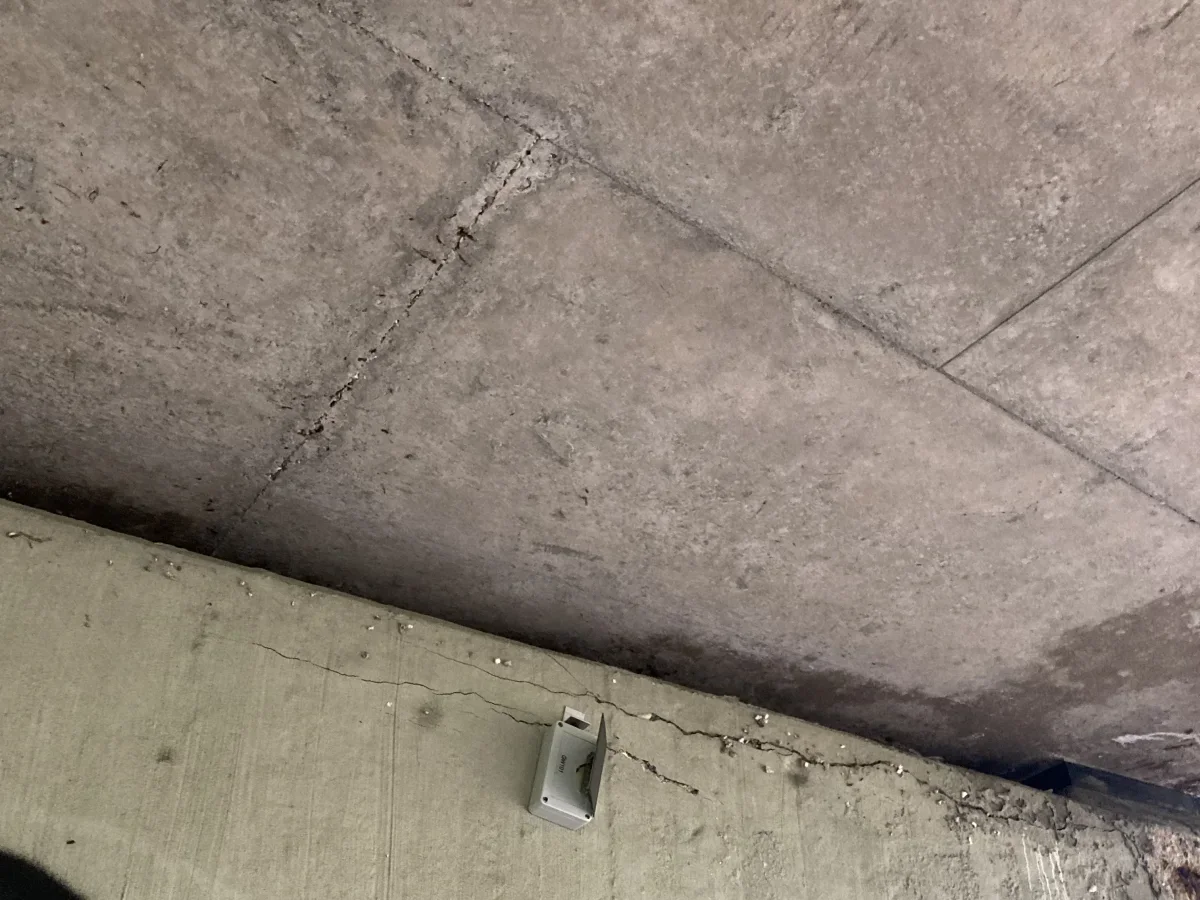
- Cable- and energy-free corrosion and moisture sensors, CorroDec 2G
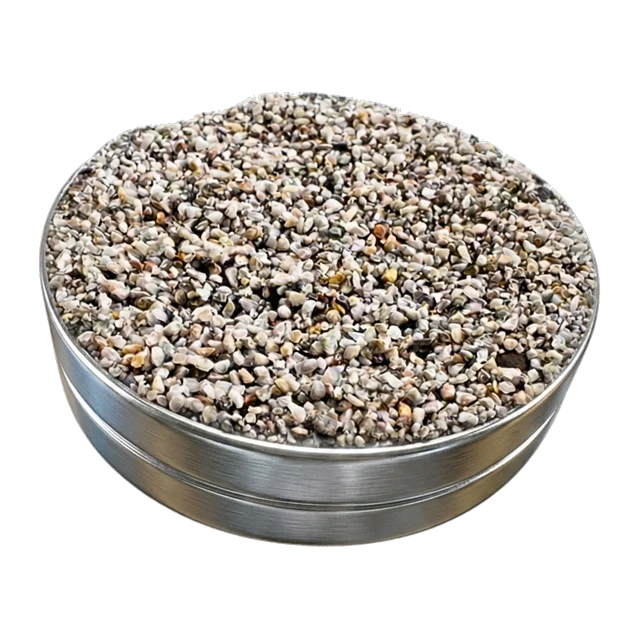
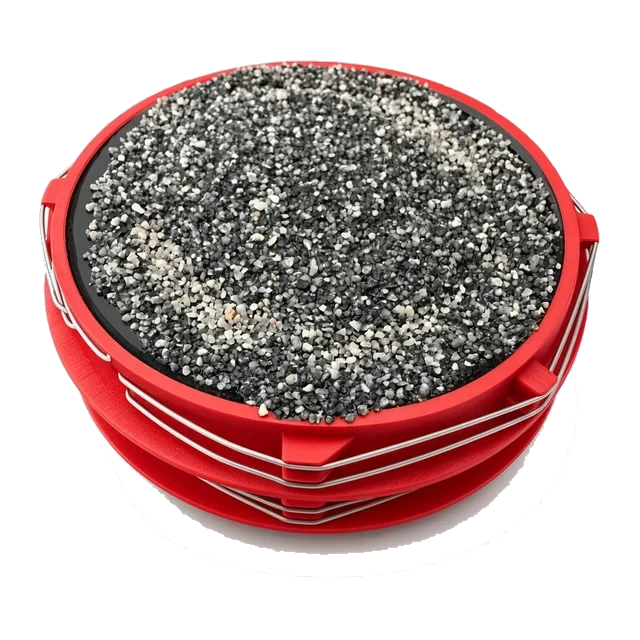
Installed sensors
Challenge
Chlorides that remain in the structure after rehabilitation
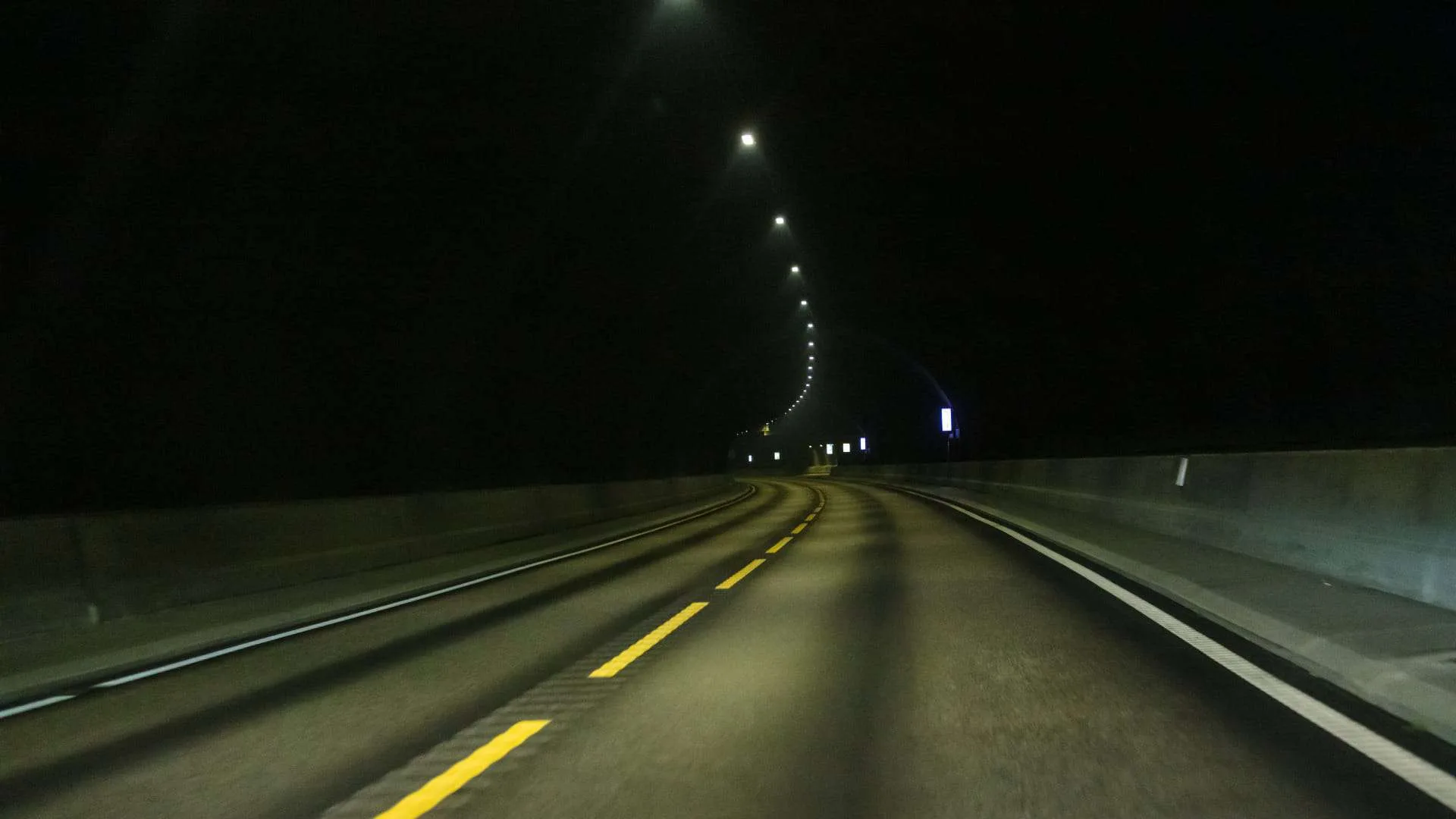
During operational retrofitting works, the operators of the motorway tunnel found chlorides in the portal area. The concrete of the tunnel walls had to be rehabilitated. But three goals were at stake at once: the repair should cost as little as possible, the risk remaining in the structure had to stay observable, and over a very long period it needed to be demonstrable whether the surface protection systems used are working.
The second point is the key one. The chloride-contaminated concrete layers were removed in stages, so chlorides remained in the structure. It was exactly this residual risk that needed to stay observable.
Solution
Sensors in the rehabilitated concrete, without cables or battery
After the staged removal of the chloride-contaminated concrete layers by the rehabilitation contractor, cable- and energy-free corrosion and moisture sensors of the CorroDec 2G type were installed. The positions were not determined by the sensor manufacturer but by the designer and the client, among others in the portal areas. That is the right order: whoever knows the structure knows where to measure.
For a tunnel structure, cable- and energy-free means two concrete things. There is no cable to get in the way during the next measure, and no battery that would later require access to the sensor.
Readout
Two routes to the same readings
The data are read in two ways. Online via NB-IoT, with visualisation, so the condition of the sensors can be queried remotely at any time. And additionally on site via handheld reader, within the structure’s usual maintenance intervals. Together, this means the condition is visible between appointments, and at the appointment itself it can be independently verified.
Result
A residual risk that stays observable
For the operator, the benefit is not a single reading but the chain that follows. The structure’s condition is easily visible, the success of the repair can be proven, and if the surface protection system fails, repairs can target specifically where they are needed. Inspection intervals are steered via remote query instead of by calendar, and because the scope is known in advance, closures for later measures are shorter. With the repair principle “W” applied, the work is standard-compliant.
The project shows how concrete monitoring and moisture and corrosion monitoring secure a rehabilitation in tunnel monitoring. If you are rehabilitating a structure and want to be able to prove its success, describe your project to us through our project inquiry.
Specifics
- Cause
- Chlorides in the portal area, identified during operational retrofitting works
- Sensor positions
- Specified by the designer and client, among others in the portal areas
- Readout
- Via handheld reader during maintenance intervals and online via NB-IoT
- Standard
- Standard-compliant work under the repair principle "W" applied
Products in use
Sensors installed here
Related solutions & industry
Solutions matching this project
Data platform
All readings on one platform
The sensors transmit their readings wirelessly to the data platform, where they are evaluated, documented and continuously checked against your thresholds.
- AI-assisted data analysis
- User-focused reporting
- Continuous evaluation
- Warning and alarm thresholds
- Alerts by email and text message
- Remote access around the clock
- AI-assisted data analysis Condition within limits
- User-focused reporting Report ready
- Alerting Thresholds monitored
Project inquiry
A comparable structure to monitor?
Describe your structure and your question. We recommend the right measuring points and suitable sensors.
 Peter Nater
Project inquiry
Tell us about your structure
Structure type, location and your question are enough to start. We recommend suitable measuring points and sensors.
+49 6742 8599600 DE +41 41 670 00 11 CH [email protected]