

Bridges in Ulm and Neu-Ulm: Cracks on Several Structures
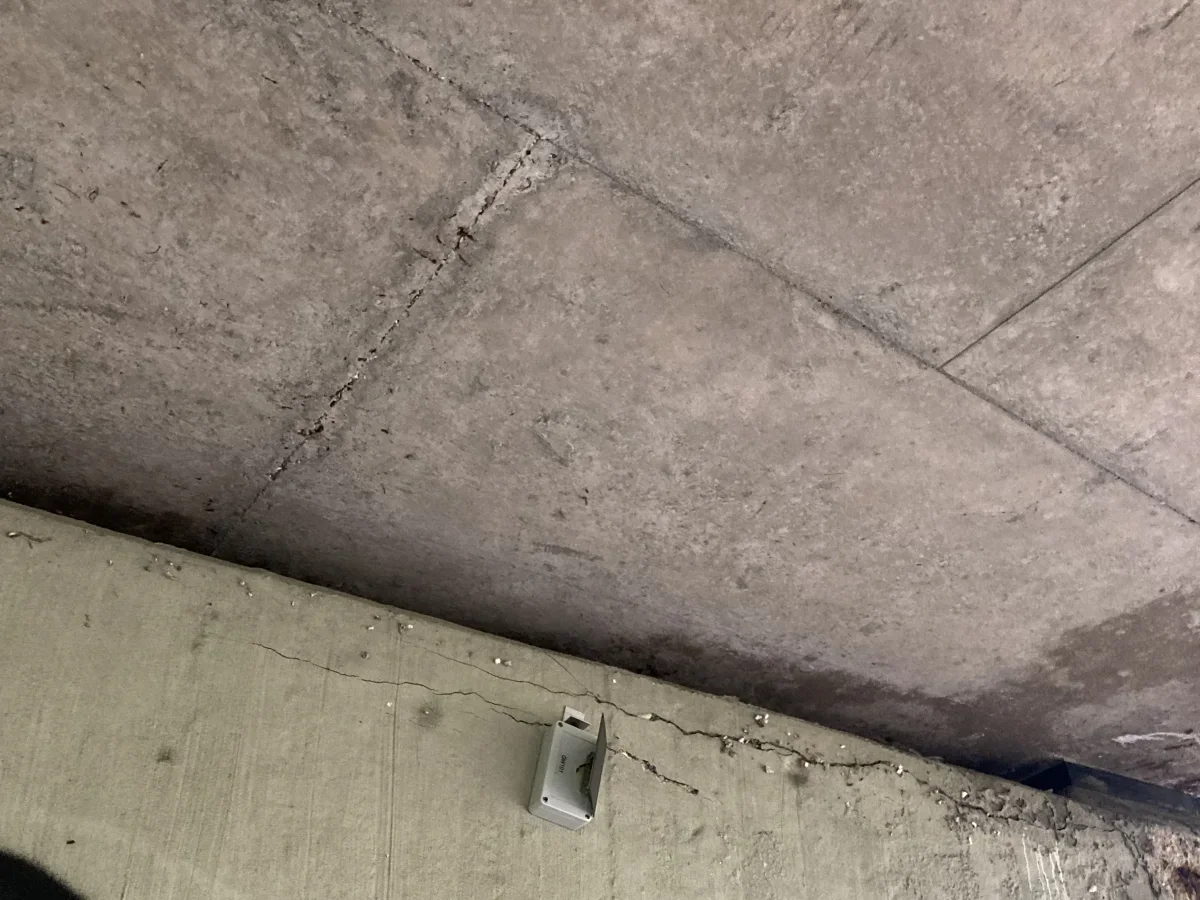
Project facts
- Structure type
- Bridges, multiple structures
- Location
- Ulm and Neu-Ulm
- Task
- Continuously monitor crack widths across several structures
- Sensors installed
- Watertight displacement transducers, cabled to solar-powered gateways
Installed sensors
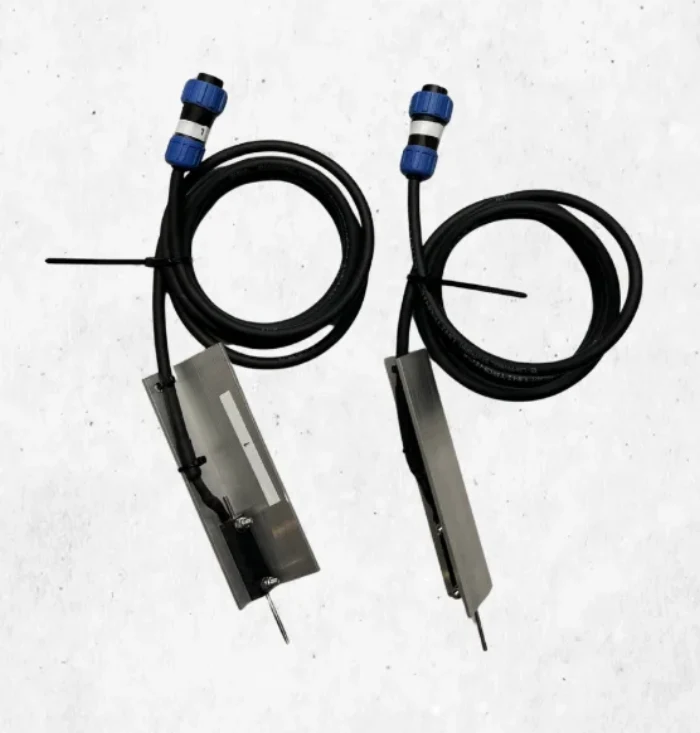 Displacement transducer
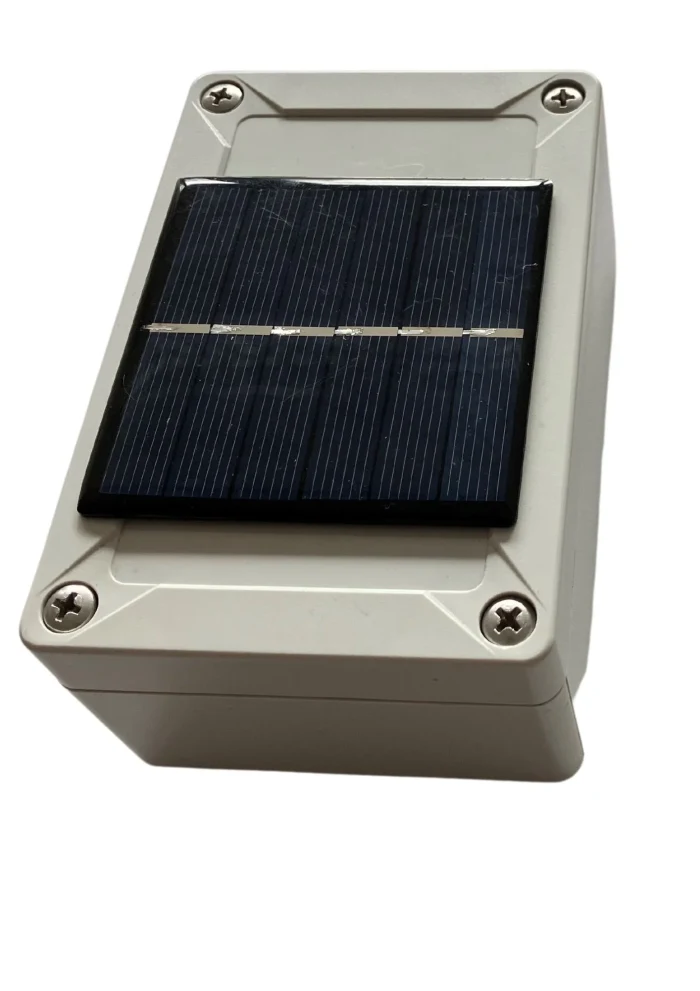 Solar gateway
Challenge
Multiple structures, one solution
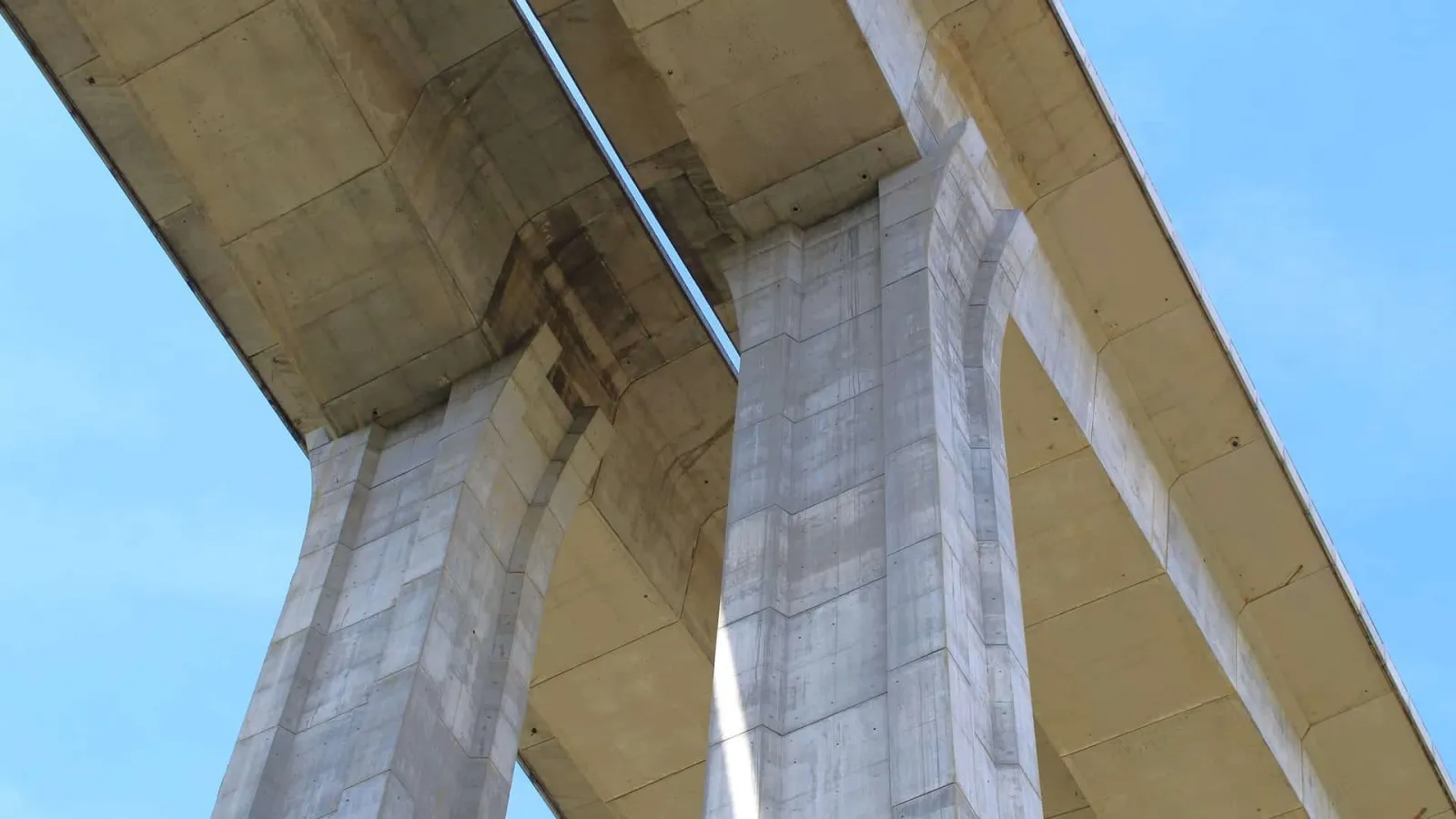
The bridges in Ulm and Neu-Ulm are under constant load from traffic and the environment. Cracks were found on several structures and had to be observed. The task was therefore not one structure but a series of structures, which shifts the requirements: what was needed was a solution that is cost-efficient, flexible and low-maintenance, not the most technically elaborate one.
Solution
Sensors that move with the project
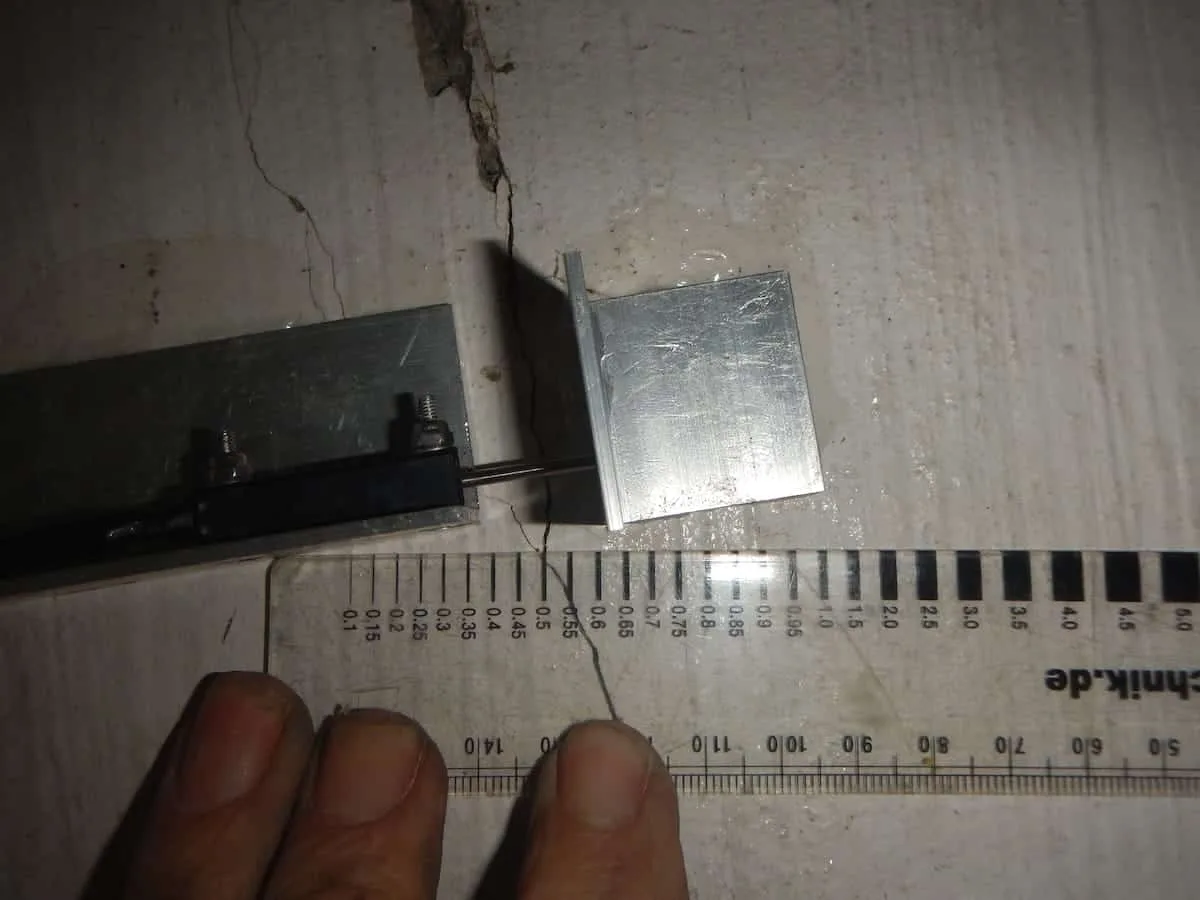
Watertight displacement transducers were installed, cabled to a solar-powered gateway. The solution is therefore watertight, solar-powered and maintenance-free. Crack width and temperature are captured together, so thermal movement can be separated from a genuine change.
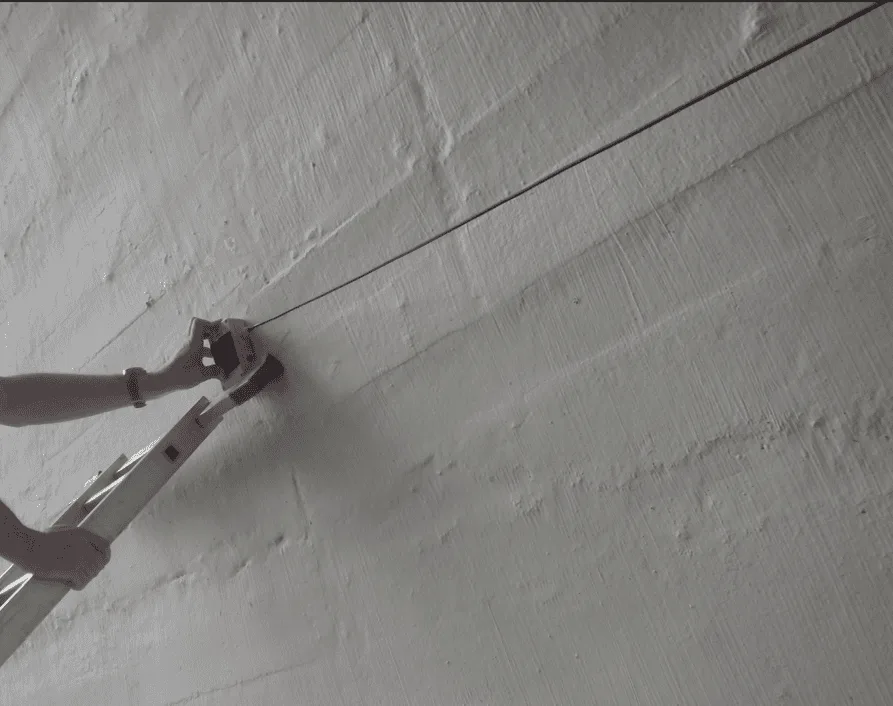
Two points make the system economical across several structures. First, installation: the sensors were fitted by the responsible staff themselves, using the supplied mounting fixture. Second, reuse: the sensor can be unscrewed from the mounting plate and redeployed on another structure. Once a crack is resolved, the sensor moves on instead of a new one being procured.
Result
A stock of structures that reports itself
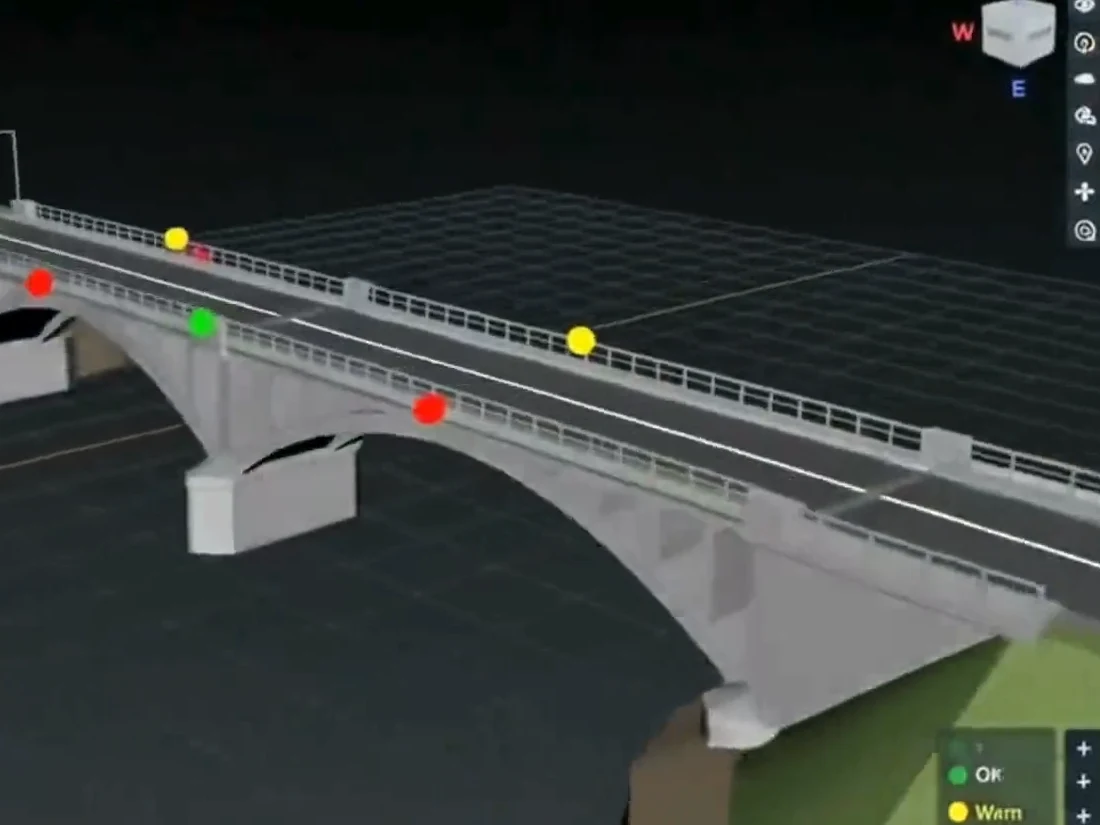
The baseline measurement sits in the software after the initial installation, and every later measurement is always read against this starting condition. Through the online platform, the responsible engineers track crack widths across all structures from a single place, and remote access lets them adjust measuring intervals and reset thresholds without travelling to the structure.
A PDF report with readings and graphical presentation goes out every quarter. This lets those responsible assess the condition and the change of crack widths clearly and comprehensibly.
The project shows how crack monitoring in bridge monitoring also works across a whole stock of structures. If you have several structures to keep an eye on, describe your project to us through our project inquiry.
Specifics
- Installation
- Self-installed by the responsible staff, using the supplied mounting fixture
- Reuse
- Sensors can be unscrewed from the mounting plate and redeployed on another structure
- Measured quantities
- Crack width and temperature, so both values can be read against each other
- Reports
- Quarterly PDF report with readings and graphical presentation
Products in use
Sensors installed here
Sensors Displacement transducer Sensors Solar gateway Related solutions & industry
Solutions matching this project
Infrasolute platform
How the readings from this project are evaluated
The readings from this project come together on the Infrasolute platform. There they are checked against the defined limits, shown as trends and interpreted with AI.
Platform modules
Project inquiry
A comparable structure to monitor?
Describe your structure and your question. We recommend the right measuring points and suitable sensors.
 Roman Koch

More projects
More references in bridges
Project inquiry
Tell us about your structure
Structure type, location and your question are enough to start. We recommend suitable measuring points and sensors.
[email protected]