

Car Park Under Repair: Making the Success Measurable
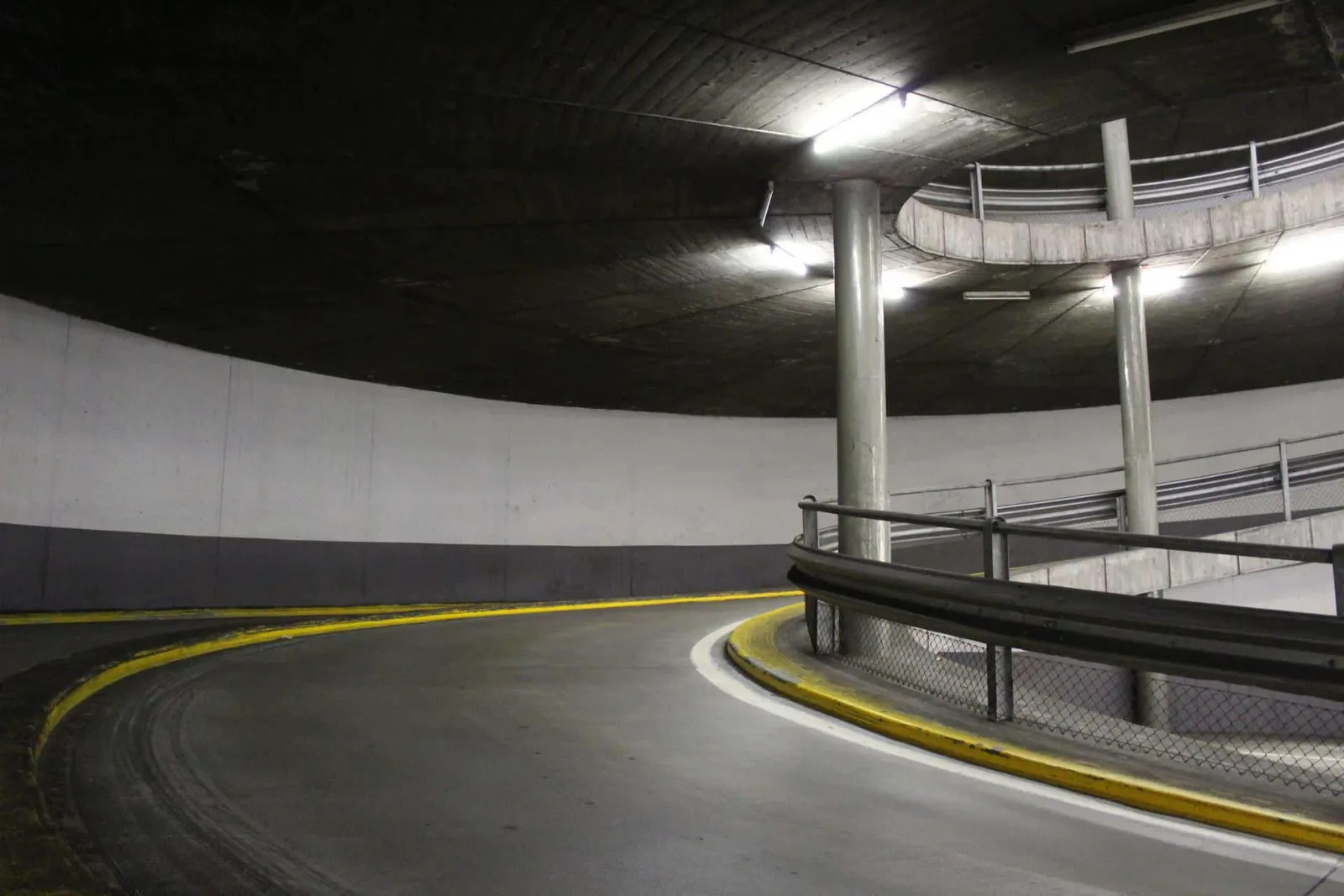
Project facts
- Structure type
- Multi-storey car park with underground garage
- Task
- Secure the trial repair and prove the success of the repair
- Method
- Repair principle "W" and extraction of salts from the columns
- Sensors installed
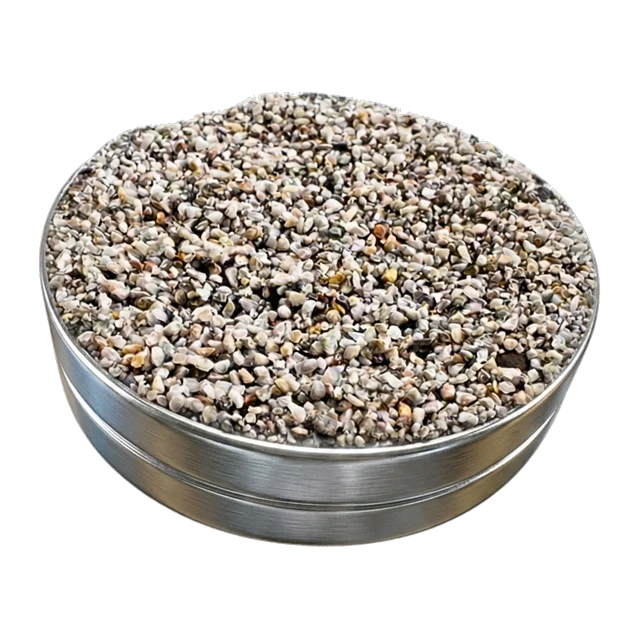
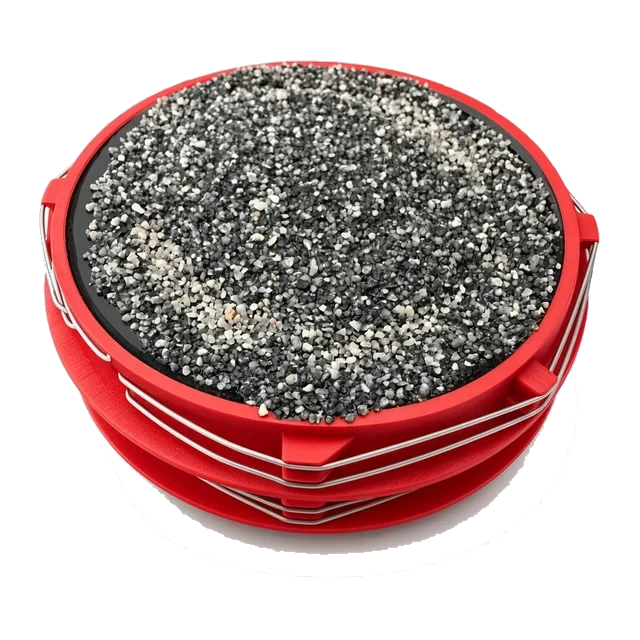
- Moisture and corrosion sensors, standard version
Installed sensors
Challenge
The damage first, then the costing
As a result of high mechanical loading and chloride exposure, damage became visible on the levels of the underground car park: cracks and spalling. To get an accurate picture, the car park was inspected and the damage was catalogued.
That described the problem, but did not solve it. The client commissioned a trial repair, with two goals: verify the repair costing and determine a technology that fits this building and this damage. A trial repair is only as good as the measurement that proves its result.
Solution
Sensors in the crack area, plus a reference point
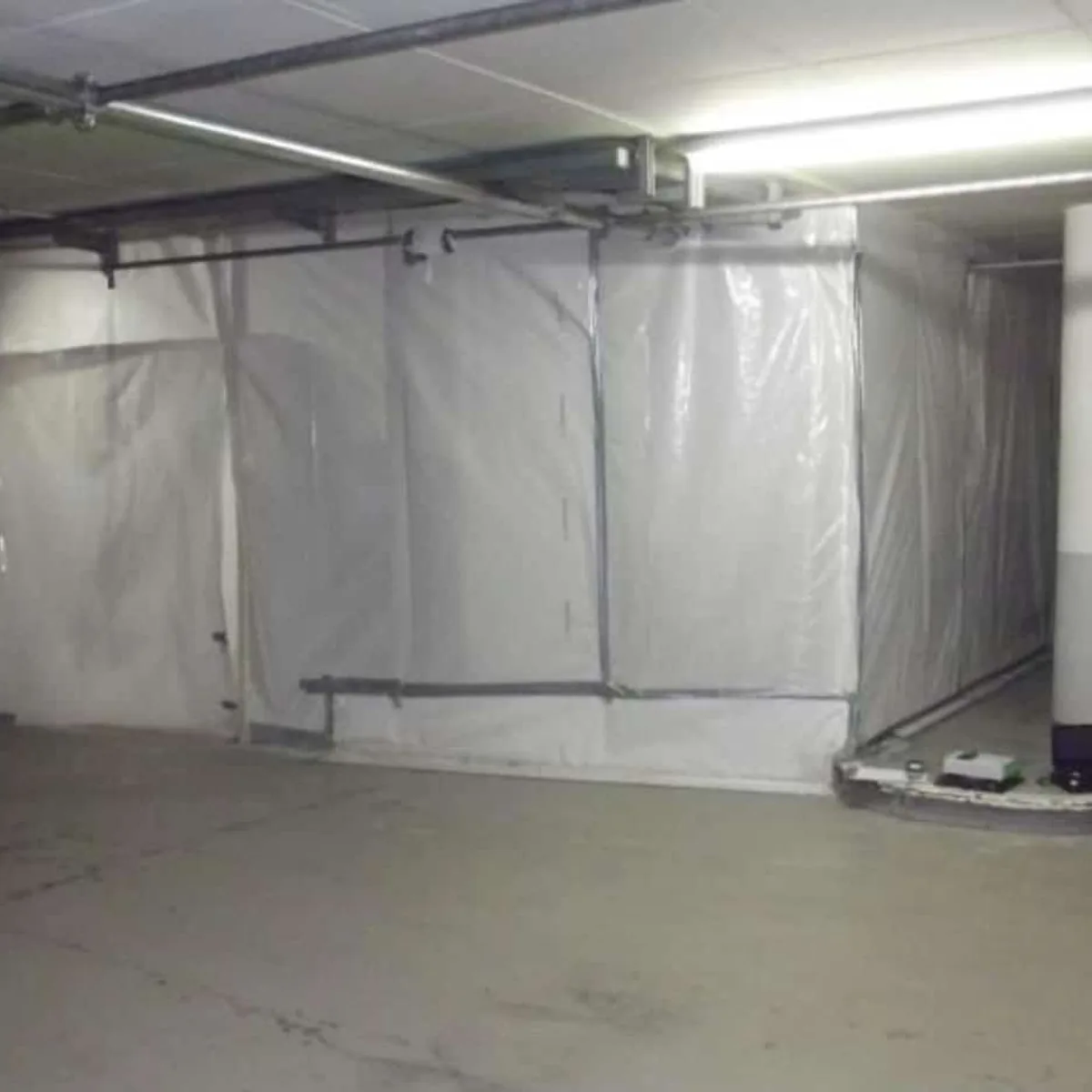
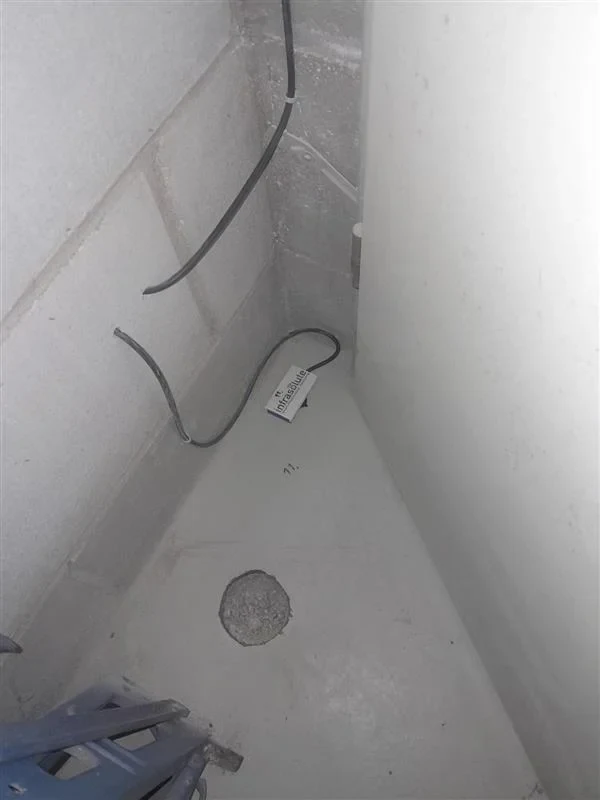
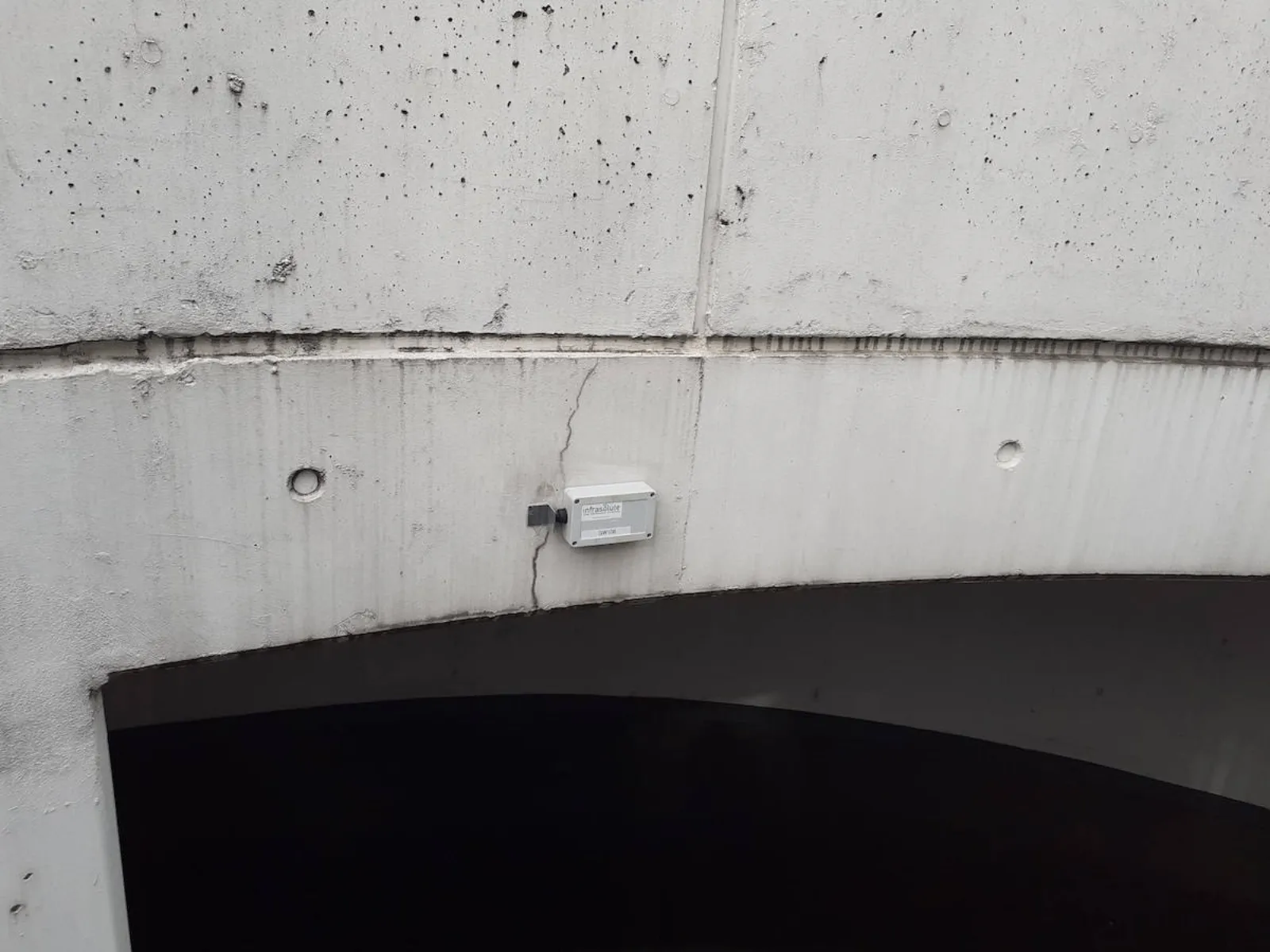
Repair principle “W” and the extraction of salts from the columns were used. For verification, moisture and corrosion monitoring systems were deployed, standard moisture and corrosion sensors, installed in the crack area of the construction joint and bonded to the existing concrete via coupling mortar.
One part of the setup is easy to overlook and makes the difference: moisture sensors sit not only in the repair area but additionally in an unloaded area of a bay. This reference point delivers the comparison value. Without it, every change in the repaired area would just be a number; with it, it becomes a statement.
Readout
A reader matched to the installation depth
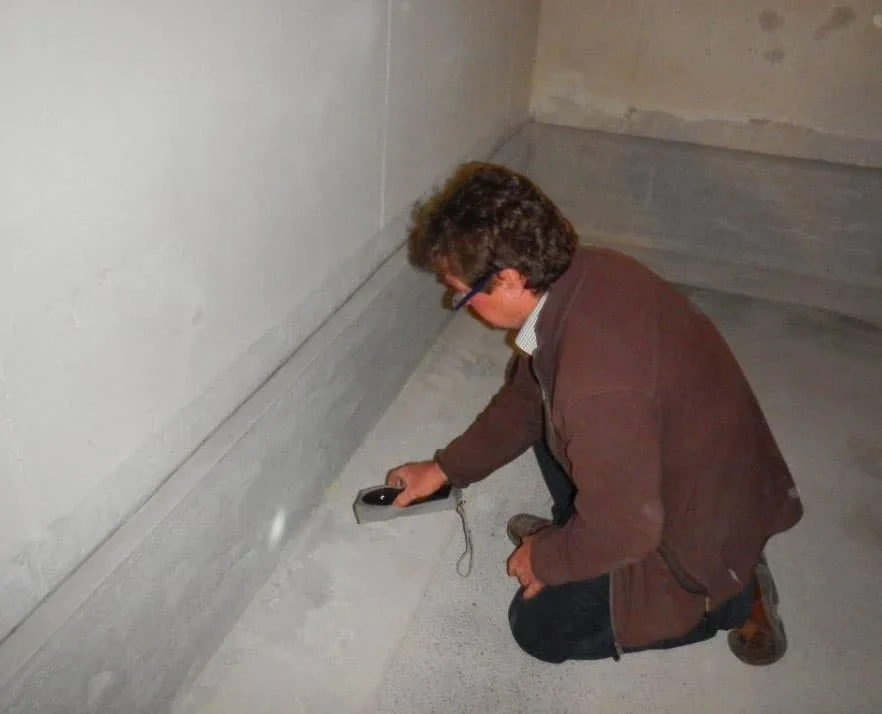
Readout was done manually with a handheld reader. The device must match the installation depth of the sensor, versions exist for 10 cm and for 30 cm. A remote query of the sensors is also possible, and through it the inspection intervals can be steered instead of set by calendar.
Result
Proof that the repair holds
The benefit lies in the chain after the measurement. The structure’s condition is easily visible, the success of the repair can be proven, and if the surface protection system fails, repairs can target specifically where they are needed. Because the moisture readings can be queried, inspection intervals are steered deliberately, and early detection of damage significantly lowers the cost of later concrete repairs. For operation, this ultimately means shorter closures for future measures.
The project shows how concrete monitoring and moisture and corrosion monitoring accompany a repair in parking structures. If you are planning a repair and want to be able to prove its success, describe your structure to us through our project inquiry.
Specifics
- Cause
- Cracks and spalling after mechanical loading and chloride ingress, damage catalogued
- Installation location
- In the crack area of the construction joint, bonded to the existing concrete with coupling mortar
- Reference measurement
- Moisture sensors in an unloaded area of a bay and in the repair area
- Readout
- Handheld reader matched to installation depth, 10 cm or 30 cm, plus remote query
Products in use
Sensors installed here
Related solutions & industry
Solutions matching this project
Data platform
All readings on one platform
The sensors transmit their readings wirelessly to the data platform, where they are evaluated, documented and continuously checked against your thresholds.
- AI-assisted data analysis
- User-focused reporting
- Continuous evaluation
- Warning and alarm thresholds
- Alerts by email and text message
- Remote access around the clock
- AI-assisted data analysis Condition within limits
- User-focused reporting Report ready
- Alerting Thresholds monitored
Project inquiry
A comparable structure to monitor?
Describe your structure and your question. We recommend the right measuring points and suitable sensors.
 Roman Koch
More projects
More references in parking structures
Project inquiry
Tell us about your structure
Structure type, location and your question are enough to start. We recommend suitable measuring points and sensors.
+49 6742 8599600 DE +41 41 670 00 11 CH [email protected]