

Monitoring the Südbrücke in Koblenz: Moisture and Corrosion
Project facts
- Structure type
- Bridge
- Location
- Koblenz
- Client
- Landesbetrieb Mobilität (LBM) Rhineland-Palatinate
- Task
- Online monitoring of moisture and corrosion during rehabilitation
- Sensors installed
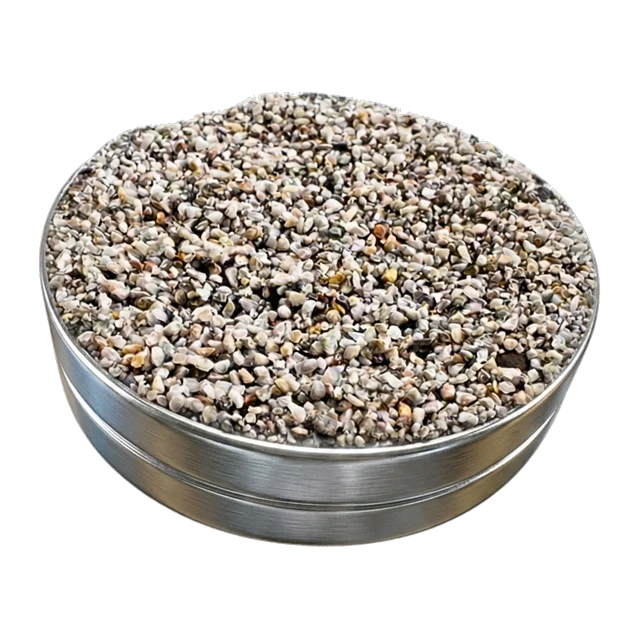
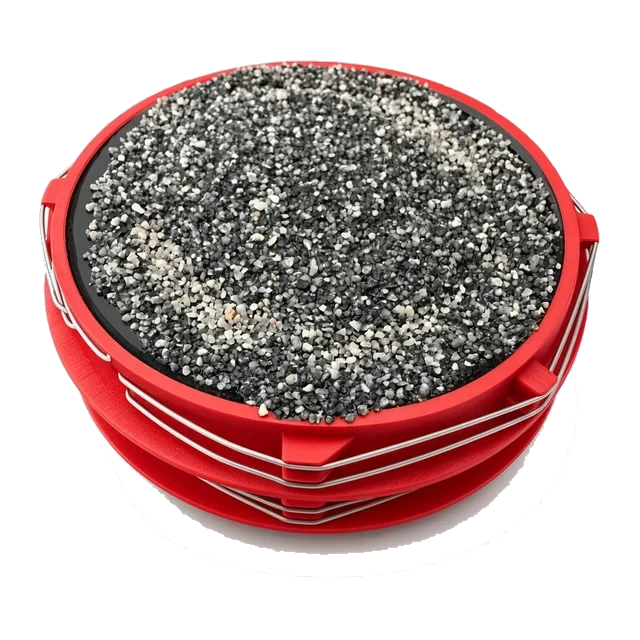
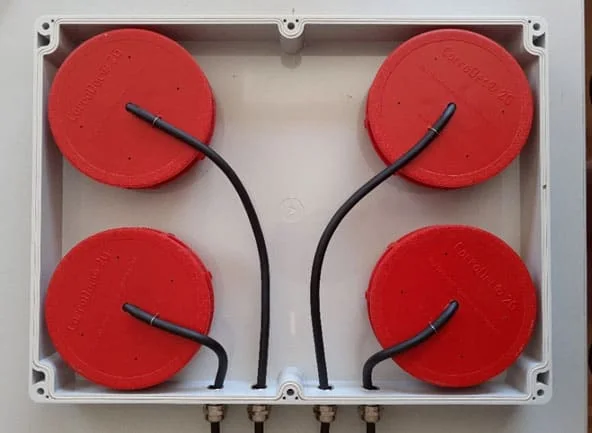
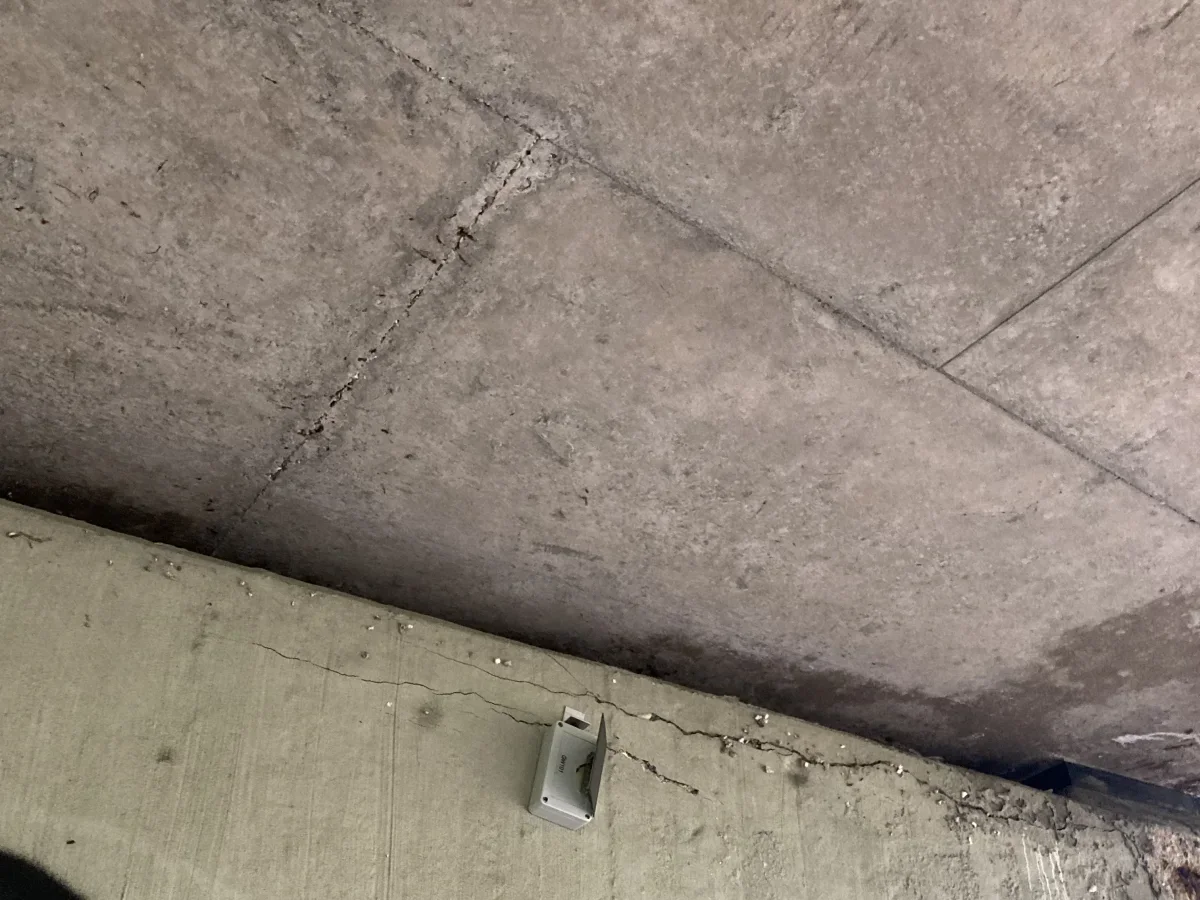
- Wireless, energy-free moisture and corrosion sensors
Installed sensors
Challenge
A heavily loaded bridge undergoing rehabilitation
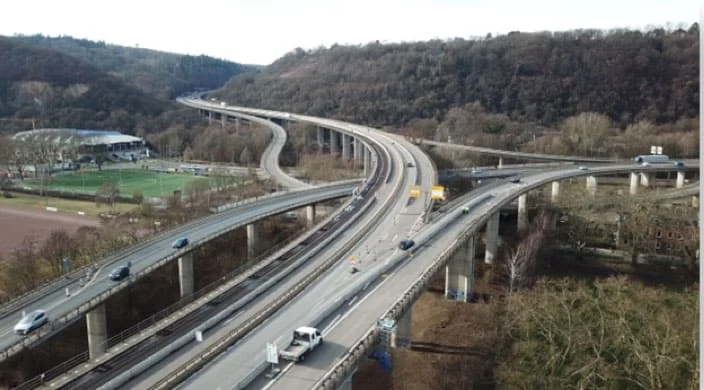
The Südbrücke is part of the Südtangente Koblenz and connects the Hunsrückhöhenstraße (B327) with the city centre. The structures of the Südtangente were built between 1972 and 1975 and have carried substantial traffic ever since, with around 45,489 vehicles in 24 hours, of which about 3 percent are heavy goods traffic. Over the decades, this constant load has left its mark, and the structure area of around 93,000 m² makes comprehensive manual inspection correspondingly demanding.
As with many concrete and reinforced-concrete bridges, moisture and the resulting corrosion of the reinforcement are the critical damage mechanisms. During rehabilitation, the concrete was therefore not only to be repaired: the condition at the decisive points was to be observed proactively and digitally on a lasting basis. As operator, the Landesbetrieb Mobilität Rheinland-Pfalz (LBM) wanted to keep the corrosion status and moisture development at defined points of the bridge concrete under proactive, online observation.
Solution
Wireless, energy-free sensors in the concrete
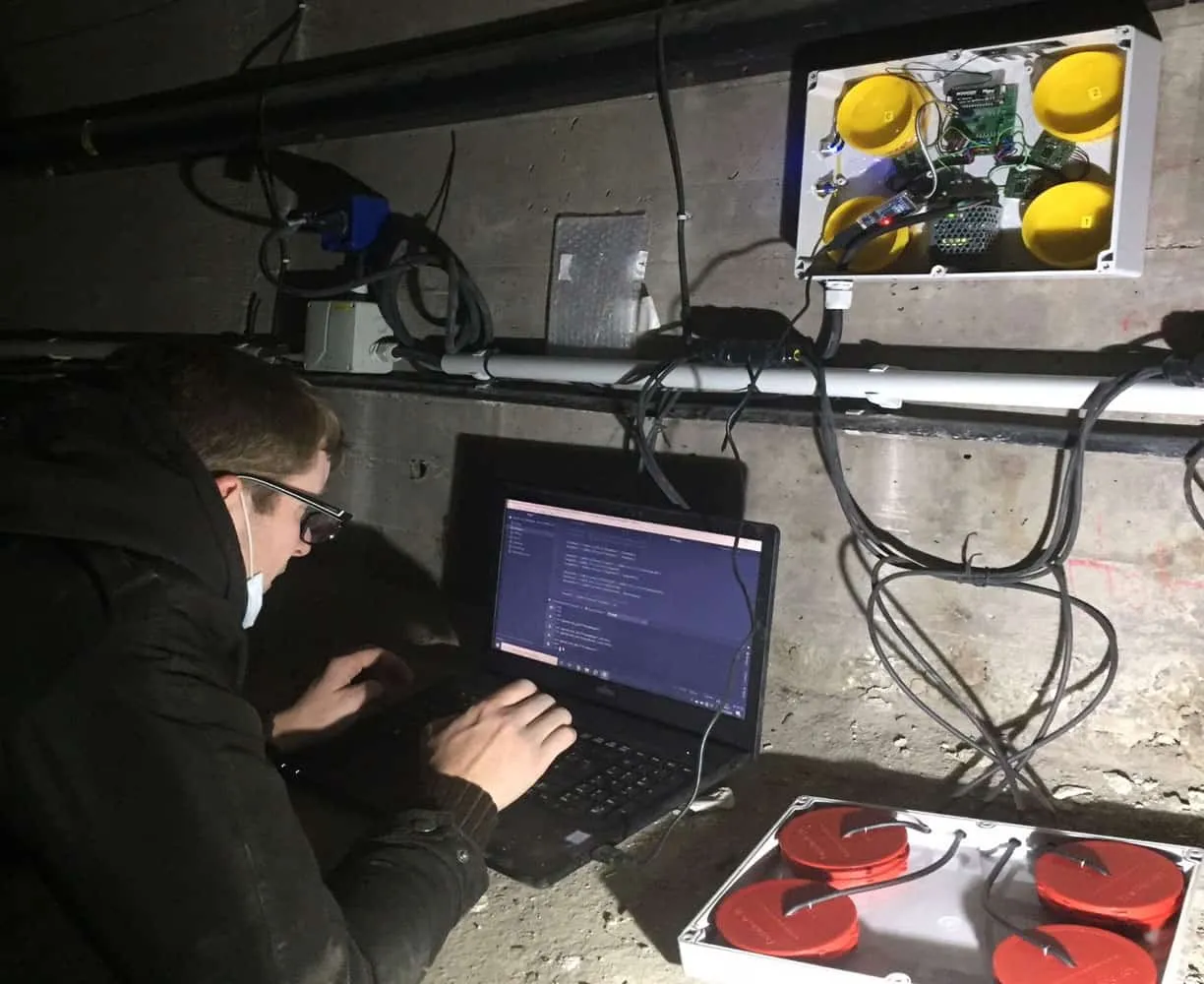
Infrasolute installed a sensor-based monitoring system for moisture and corrosion on the Südbrücke. Wireless, energy-free moisture sensors were used, designed for the long service life of a bridge structure and operating for decades without their own power source. They were complemented at selected points by corrosion sensors working on the principle of sacrificial corrosion: a sensor wire corrodes in place of the reinforcement, and a second sensor-wire level additionally allows the progress of corrosion and the success of the repair to be observed.
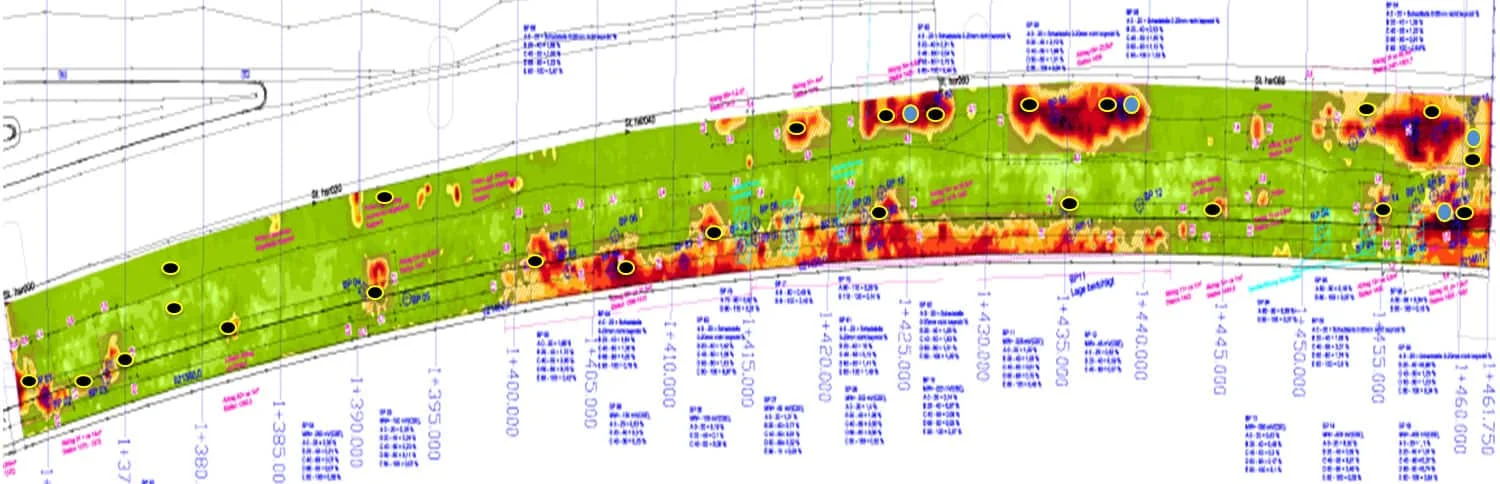
The sensors were placed where the damage risk is highest: at bridge drainage outlets, at structurally critical points, at low points and in the drainage area. The measured concrete moisture is corrected using the temperature, which is also recorded, as a calculation factor, so the readings stay reliable. The concrete area to be examined during rehabilitation covered around 136,500 m², so continuous digital monitoring at defined points keeps the structure in view far more efficiently than purely manual checks. Among the sources of experience for the sensor technology used was the BASt research project duraBASt.
Data transmission is handled by seven communication points with four assigned sensors each. Every sensor works with a remote antenna. Transmission runs via NB-IoT over the 5G standard, using IoT SIM cards from Deutsche Telekom. From the gateways, the data flow into the cloud-based Infrasolute platform, where they are evaluated and made available to the LBM online.
Reading the results
What the measurement curves show
Moisture sensors
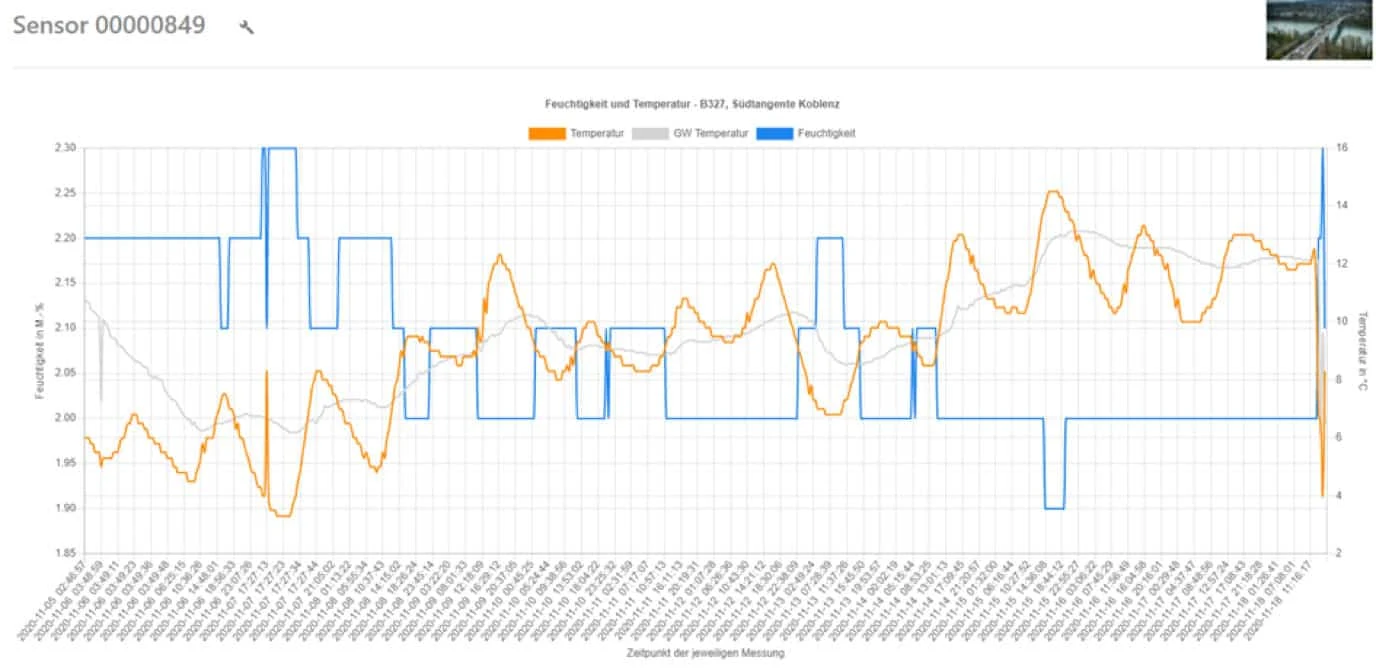
The moisture condition, together with external chemical influences, decides whether corrosion processes start. If the moisture curve stays low and stable over a long period, that is the good case. The concrete becomes critical if the curve fluctuates strongly over an extended time. This can, for example, point to a leak through surface cracks. If such a deviation is detected early, the damage can be contained considerably. The measured concrete moisture is corrected using the temperature, which is also recorded, which is why both curves run together in the diagram.
Corrosion sensors
Water carries salt into the concrete. Salt and moisture dissolve the reinforcement without any visible sign of damage at first. Only once cracks appear does it become clear that more serious damage exists, and by then high repair costs are to be expected. This is exactly where sacrificial corrosion comes in: the sensor wire corrodes ahead of the reinforcement and so delivers a clear, dated event. Assessing the risk only requires the time of installation and the position of the sensor relative to the reinforcement. Through the second sensor-wire level, it is then possible to observe either the progress of corrosion or the success of the repair.
The observation becomes informative once the measurement data are evaluated over a longer period. Because moisture in concrete depends on many influencing factors, concrete specialists should assess the trend alongside the data. The method itself works non-destructively and captures the data quickly, directly under the conditions of the structure.
Result
Proactive early warning without intervening in the structure
On the Südbrücke in Koblenz, this created a sensor-based early-warning system that continuously observes corrosion behaviour and moisture on a rehabilitated section. The decisive early-warning parameters are visible proactively and online, without any intervention in the structure required for inspection. The method works non-destructively and delivers the data quickly and regardless of location.
Beyond the wireless, energy-free sensors, the project is an example of the digitalisation of structural monitoring. It contributes to the durability and sustainability of the structure, because moisture and corrosion developments can be detected early and factored into maintenance planning. For the operator, this means a reliable basis to assess the condition of the bridge and initiate measures at the right time.
The project shows how concrete monitoring in bridge monitoring complements scheduled inspection with continuous observation. If you are planning a comparable project on a structure of your own, describe it to us through our project inquiry.
Specifics
- Structure area
- around 93,000 m², concrete area examined around 136,500 m²
- Traffic load
- 45,489 vehicles in 24 hours, around 3 percent heavy goods traffic
- Data transmission
- 7 communication points with 4 sensors each, NB-IoT over 5G
- Specifics
- A second sensor-wire level makes the success of the repair measurable
Products in use
Sensors installed here
Related solutions & industry
Solutions matching this project
Data platform
All readings on one platform
The sensors transmit their readings wirelessly to the data platform, where they are evaluated, documented and continuously checked against your thresholds.
- AI-assisted data analysis
- User-focused reporting
- Continuous evaluation
- Warning and alarm thresholds
- Alerts by email and text message
- Remote access around the clock
- AI-assisted data analysis Condition within limits
- User-focused reporting Report ready
- Alerting Thresholds monitored
Project inquiry
A comparable structure to monitor?
Describe your structure and your question. We recommend the right measuring points and suitable sensors.
 Christian Steffes
More projects
More references in bridges
Project inquiry
Tell us about your structure
Structure type, location and your question are enough to start. We recommend suitable measuring points and sensors.
+49 6742 8599600 DE +41 41 670 00 11 CH [email protected]