

Quay Wall in the Port of Rotterdam: Detecting Corrosion Early
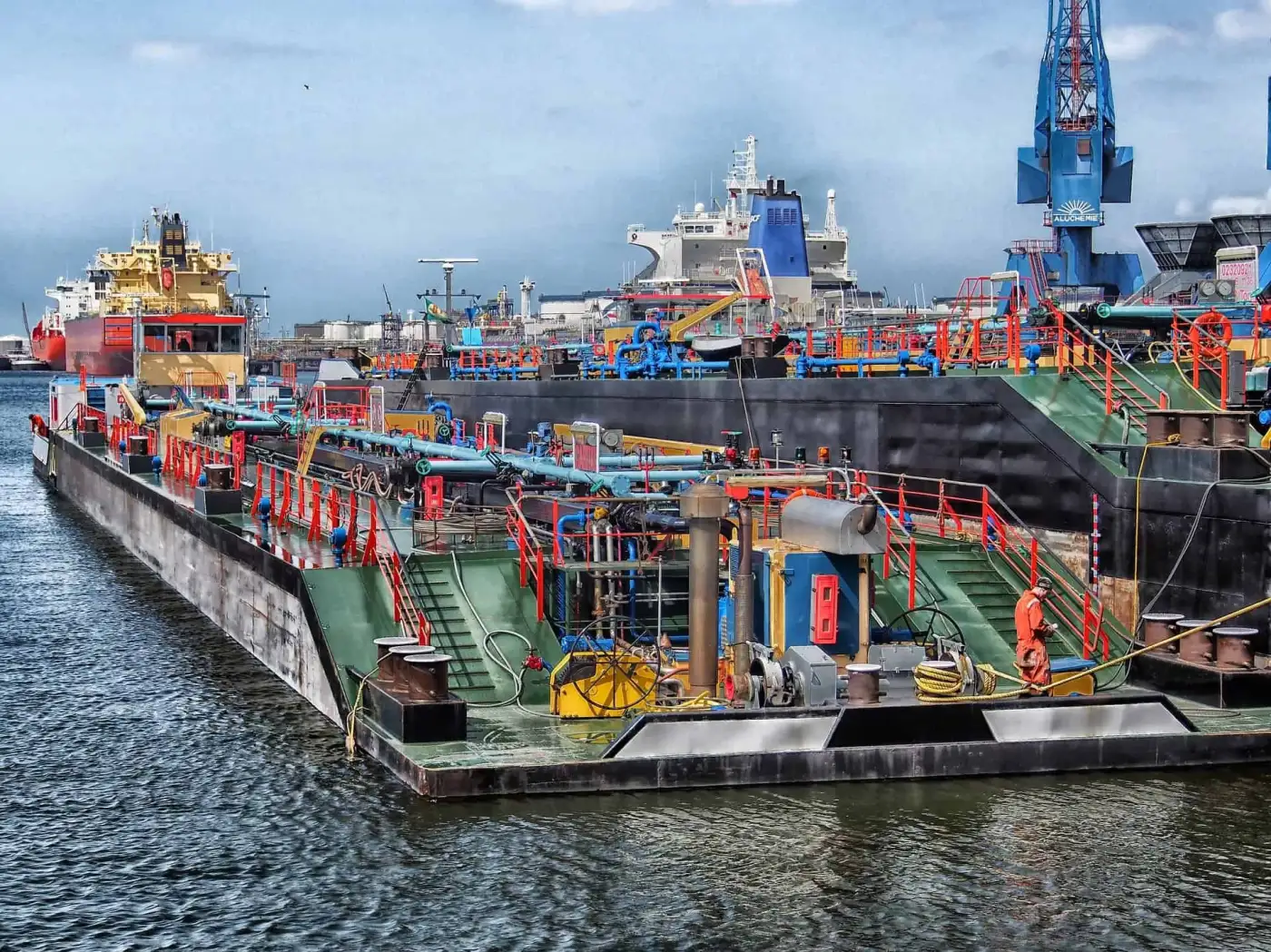
Project facts
- Structure type
- Quay wall in a port
- Location
- Rotterdam
- Task
- Detect damage in the concrete early, before it reaches the structural substance
- Sensors installed
- Wireless and battery-free corrosion and moisture sensors, CorroDec 2G
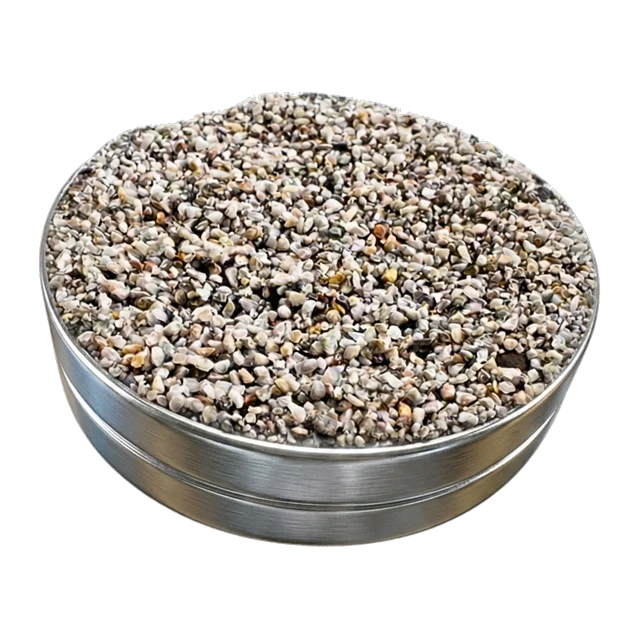
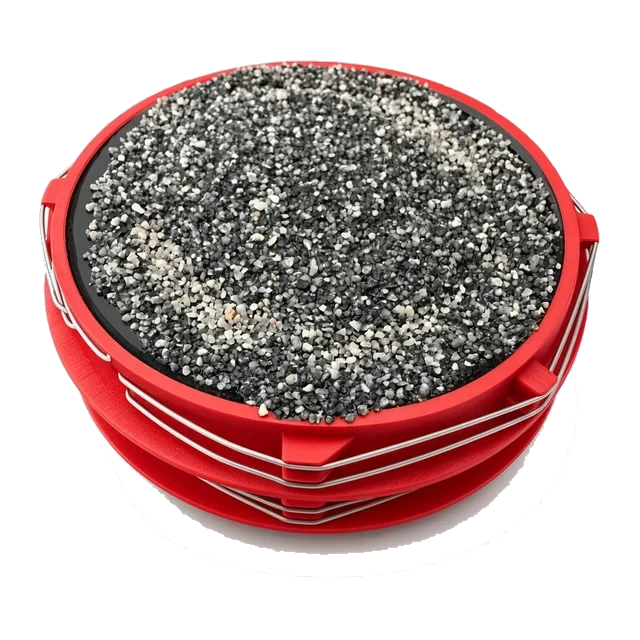
Installed sensors
Challenge
Salt attacking the concrete from within
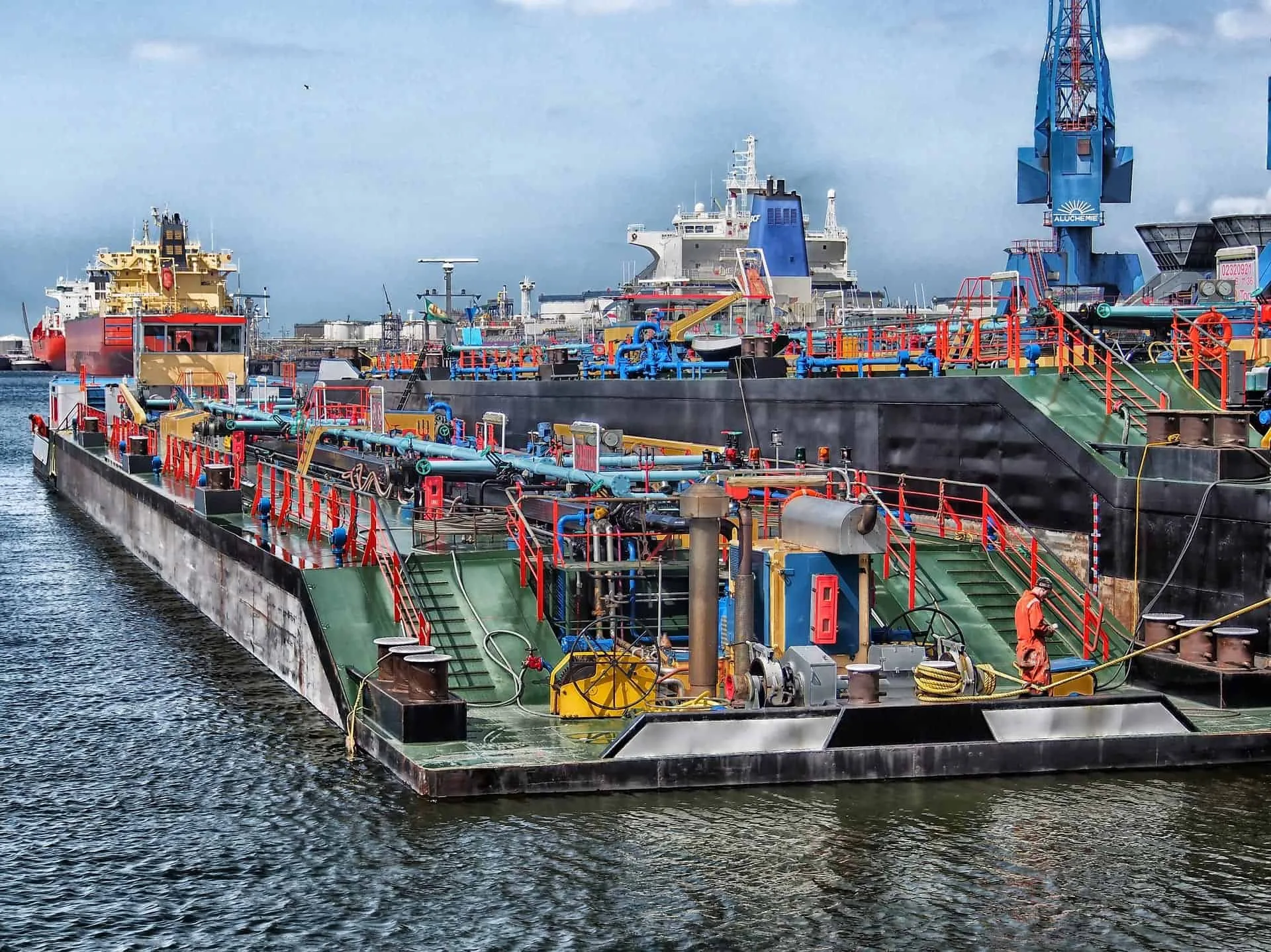
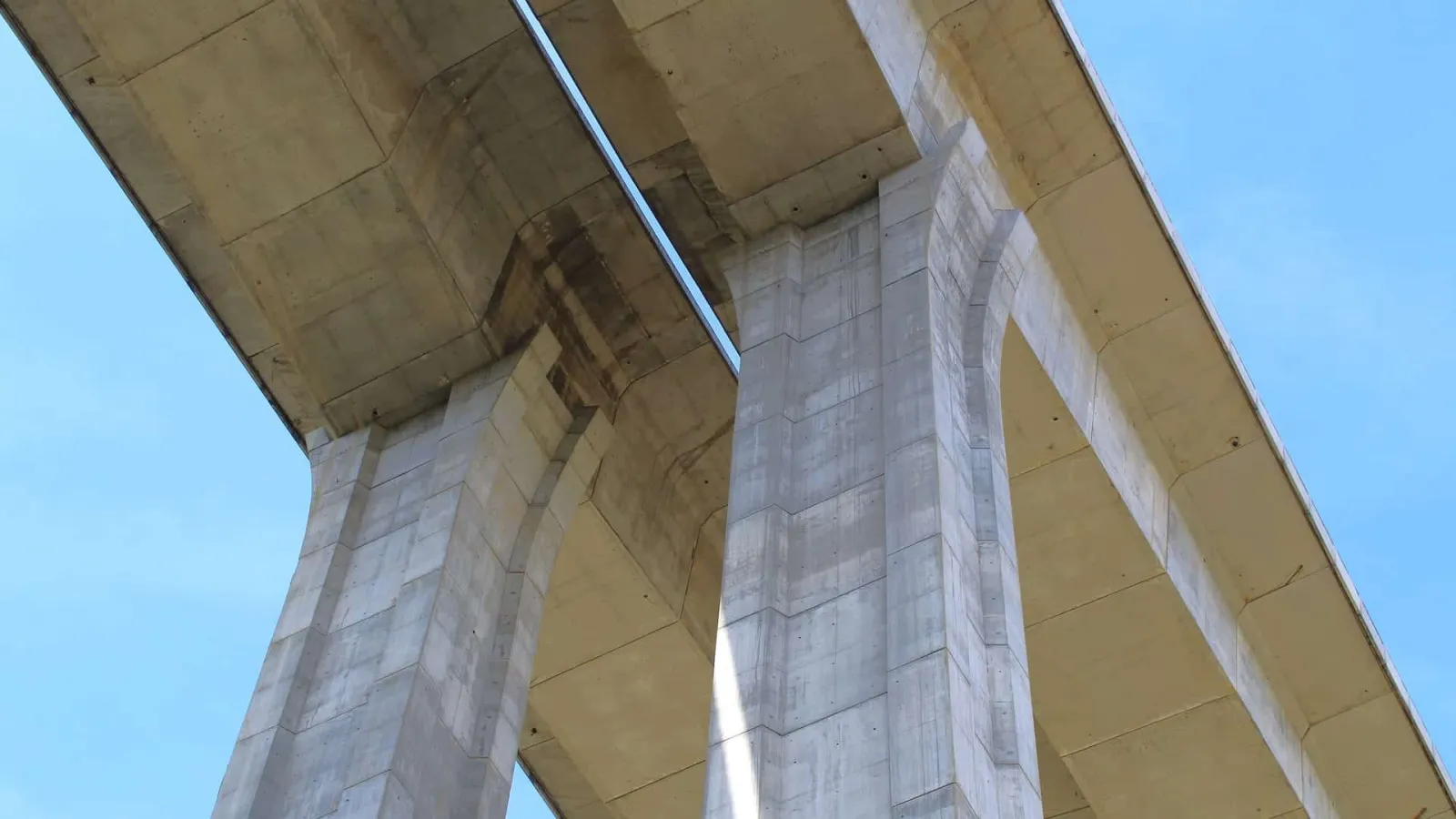
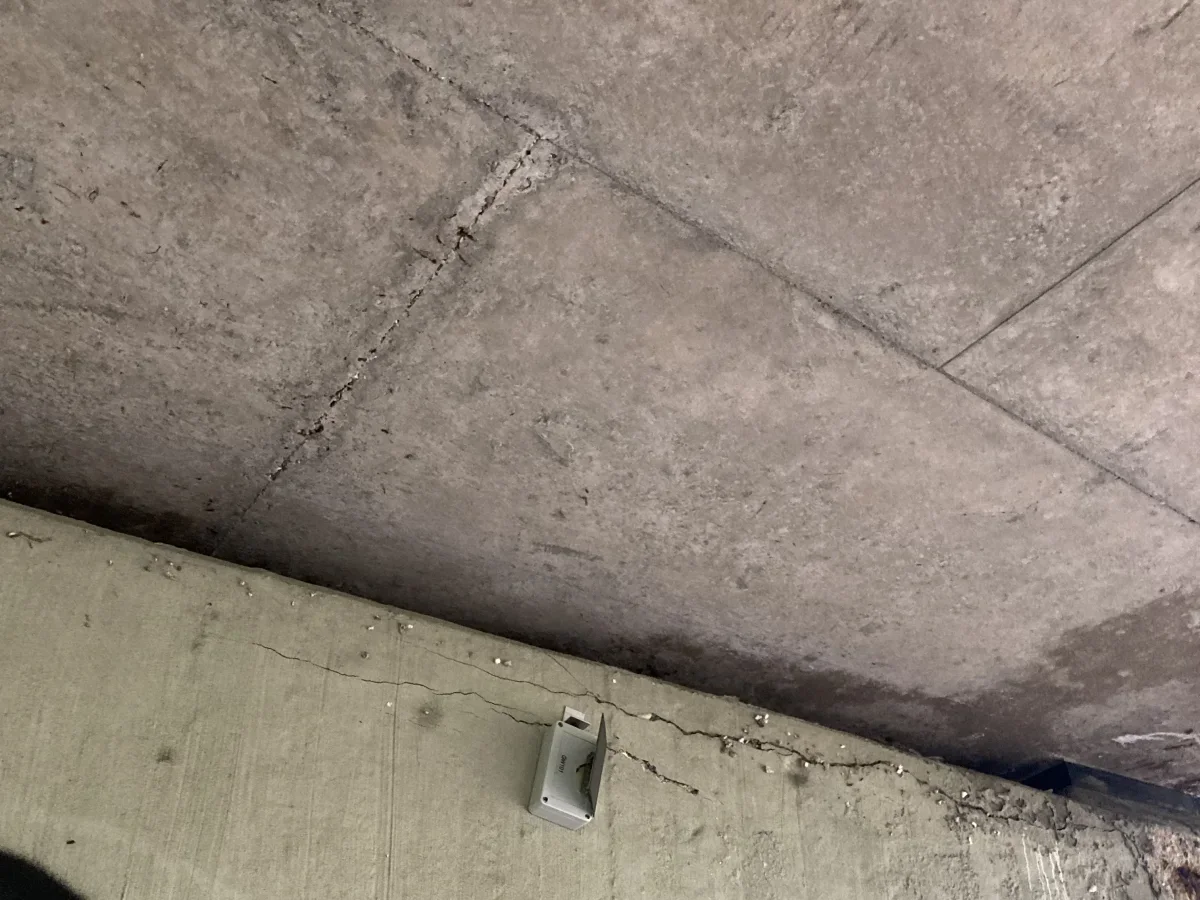
A quay wall is a concrete structure in permanently saline water. The damage mechanism is the same as for any concrete structure with salt ingress, except that here it acts without interruption: water carries salt into the concrete, and salt, together with moisture, dissolves the reinforcement without any visible sign of damage at first. Only once cracks appear does it become clear that more serious damage exists, and by then high repair costs are to be expected.
The task on the quay wall in the Port of Rotterdam was therefore to make damage in the concrete detectable before it reaches the structural substance.
Solution
Sensors that stay in the concrete
Corrosion and moisture sensors of the CorroDec 2G generation were deployed. They work wirelessly and without a battery, and are designed for the entire service life of the structure. For a structure like this, those are the decisive properties: there is no cable running through the concrete and no battery that would eventually require access to the sensor.
The corrosion sensor works on the principle of sacrificial corrosion. A sensor wire corrodes ahead of the reinforcement and so delivers a clear, dated event, rather than a reading that first needs interpreting. The sensors can also be retrofitted into existing structures. Readout happens on site and online, so the condition can be queried remotely.
Result
Early detection instead of a damage event
For the operator, this shifts the point of decision. Instead of waiting for visible damage, a dated event is available, and a measure can be planned while it is still small.
The project shows how concrete monitoring and moisture and corrosion monitoring in ports and logistics accompany a structure permanently standing in salt water. If you have a quay wall, a dock basin or a structure in water, describe your project to us through our project inquiry.
Products in use
Sensors installed here
Related solutions & industry
Solutions matching this project
Data platform
All readings on one platform
The sensors transmit their readings wirelessly to the data platform, where they are evaluated, documented and continuously checked against your thresholds.
- AI-assisted data analysis
- User-focused reporting
- Continuous evaluation
- Warning and alarm thresholds
- Alerts by email and text message
- Remote access around the clock
- AI-assisted data analysis Condition within limits
- User-focused reporting Report ready
- Alerting Thresholds monitored
Project inquiry
A comparable structure to monitor?
Describe your structure and your question. We recommend the right measuring points and suitable sensors.
 Benedikt Seuss
Project inquiry
Tell us about your structure
Structure type, location and your question are enough to start. We recommend suitable measuring points and sensors.
+49 6742 8599600 DE +41 41 670 00 11 CH [email protected]