

Bramke Bridge: Pier Head Deflection Monitored During Incremental Launching
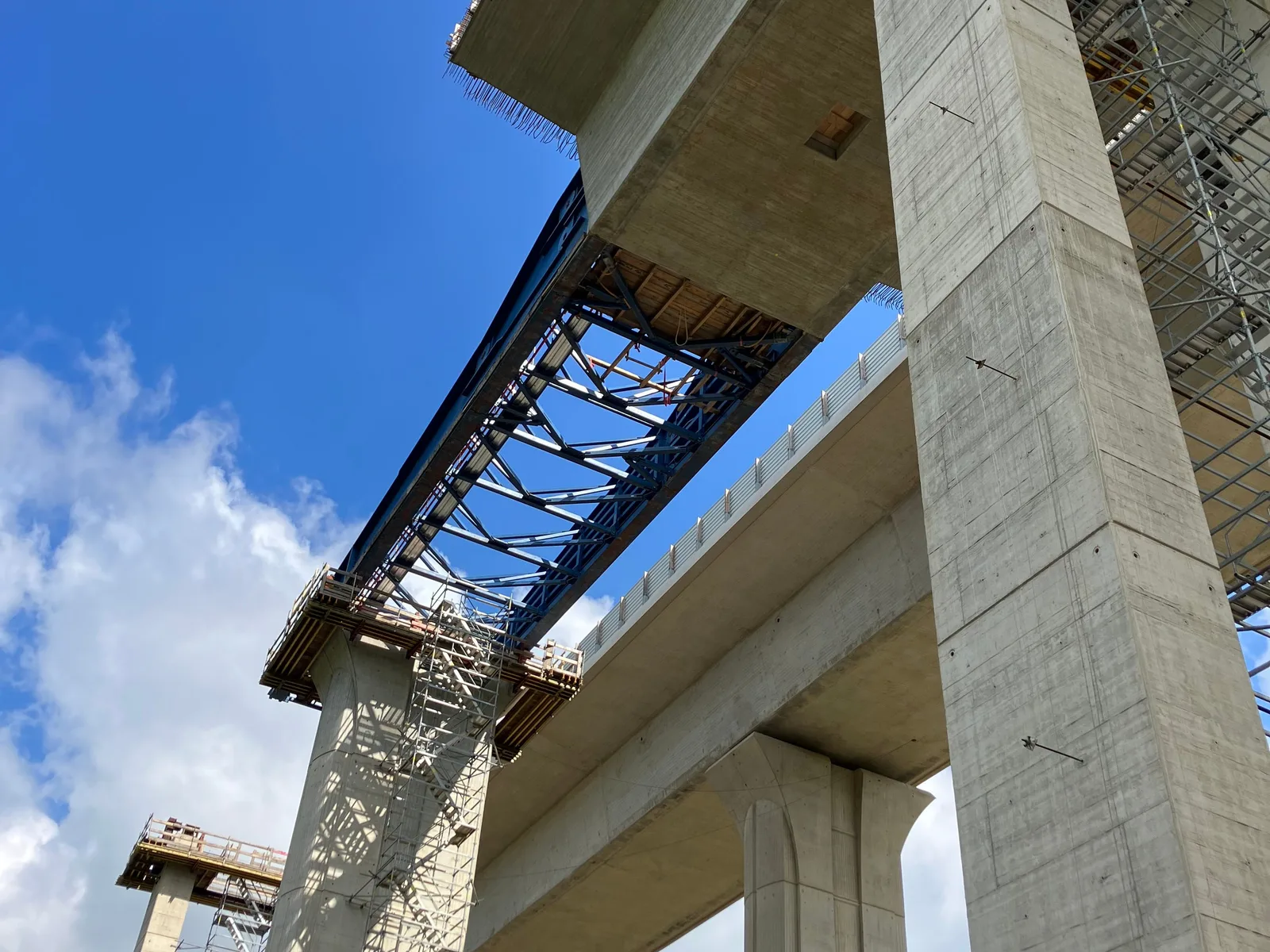
Project facts
- Structure
- Bramke Bridge, new build by incremental launching
- Task
- Monitor the deflection of the pier heads during launching
- Installed sensors
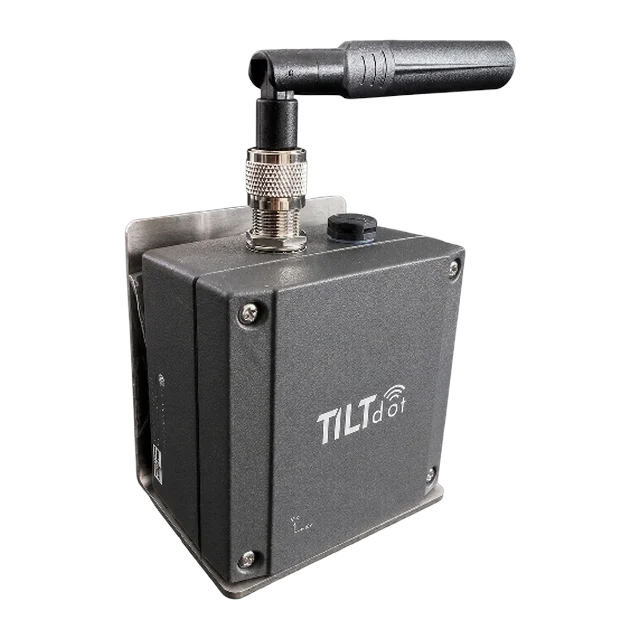
- One live tilt sensor on every pier head
- Data transmission
- Infrasolute live gateway, every second to the data platform
Installed sensors
At a glance
- Structure: Bramke Bridge, new build by incremental launching
- Risk: friction in the sliding bearings deflects the pier heads with every launch
- Solution: one live tilt sensor per pier, connected to the Infrasolute live gateway
- Monitoring: transmission every second, checks against warning and alarm thresholds, immediate alerts
Construction method
A bridge that moves across the valley segment by segment
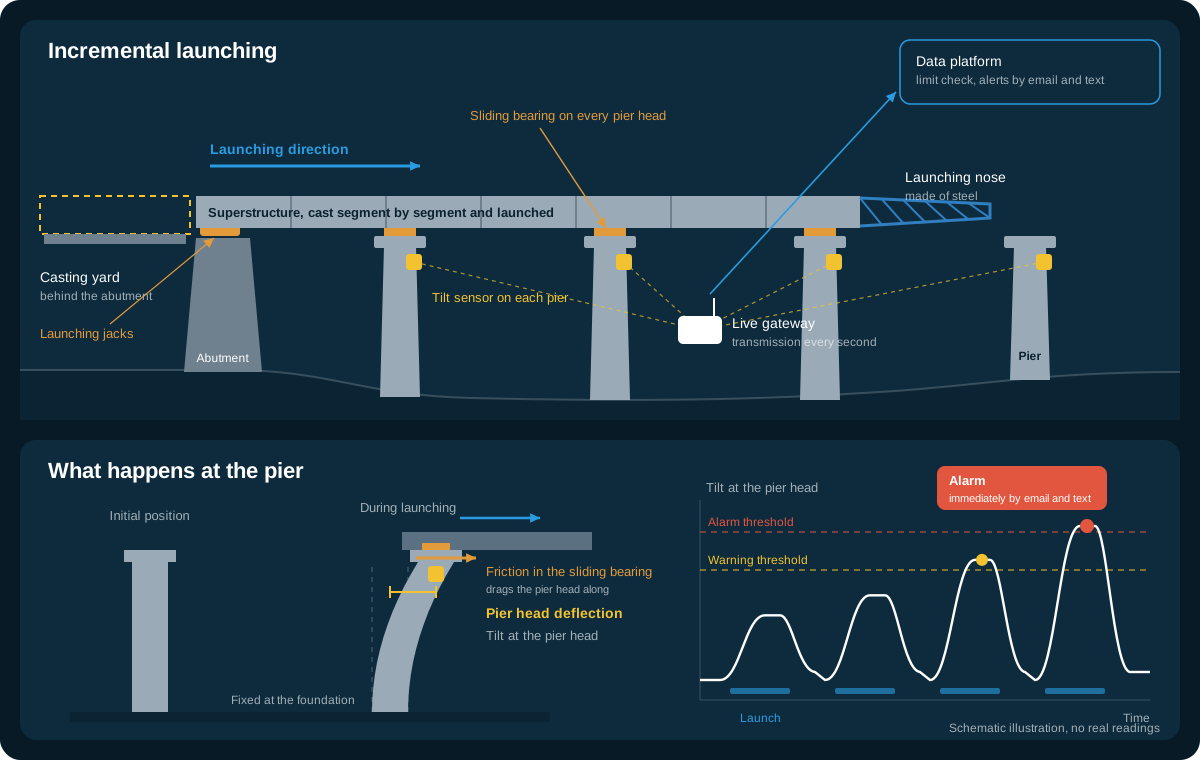
The Bramke Bridge is being built by incremental launching. Behind the abutment there is a fixed casting yard. There the superstructure is cast in sections, each new section cast against the previous one. Once a section is complete, hydraulic launching jacks push the entire superstructure one segment length further towards the valley. Then the next segment begins.
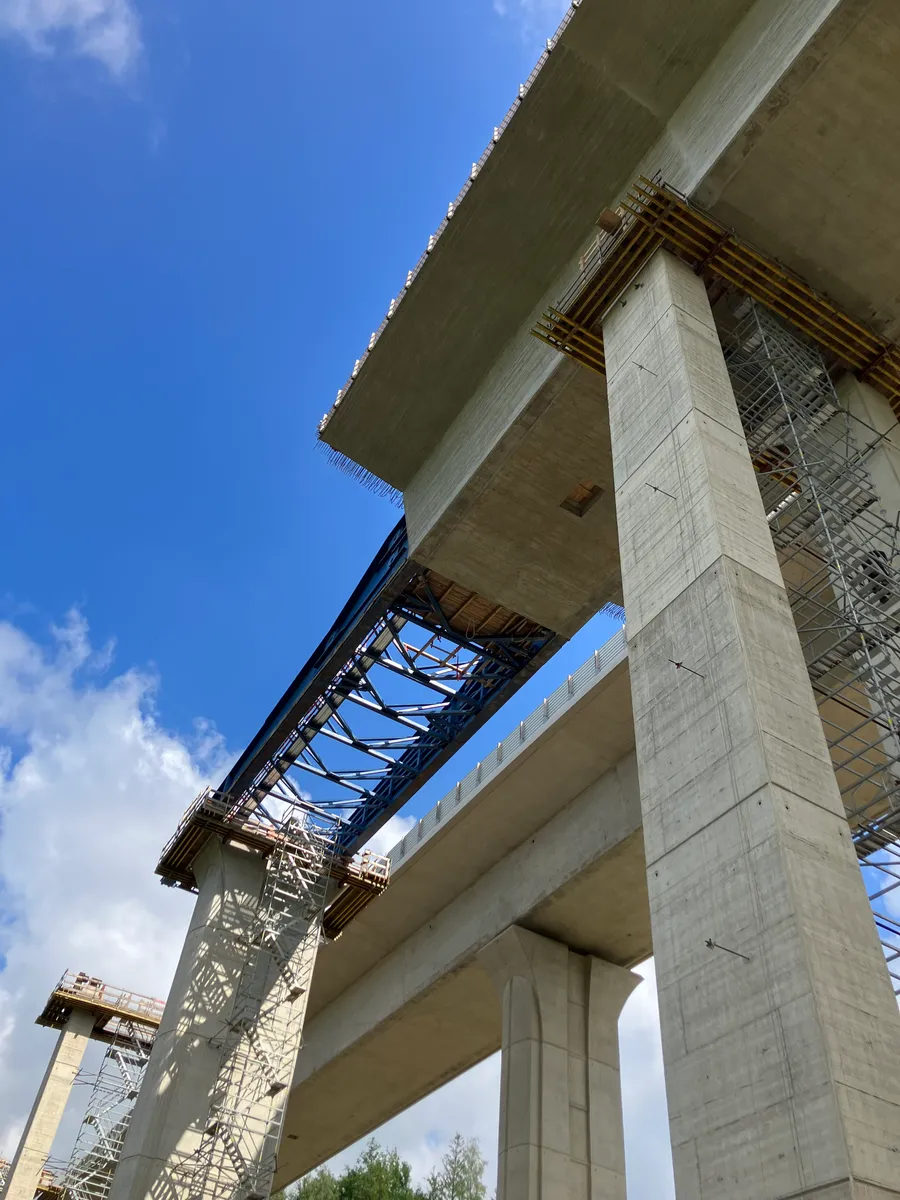
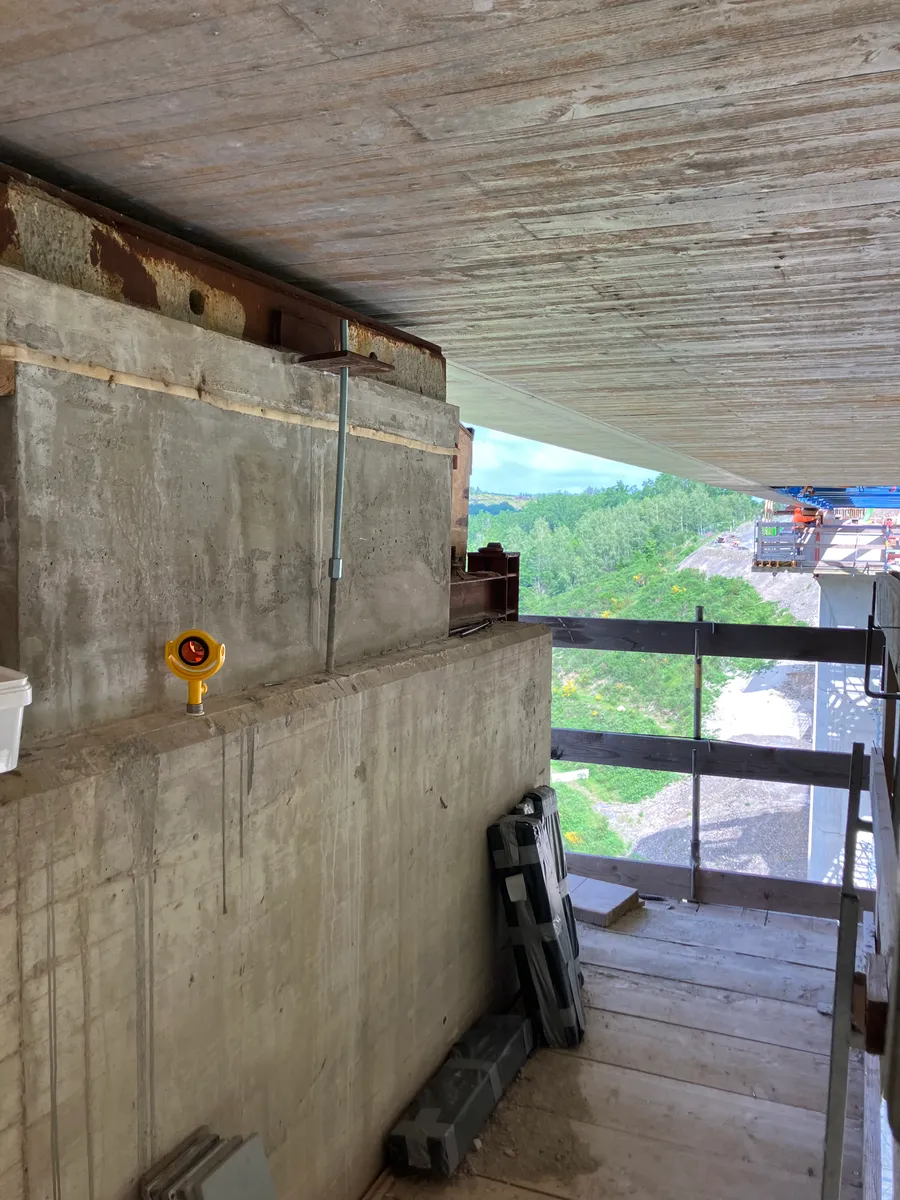
The superstructure slides over sliding bearings that sit on every pier head. At its tip it carries a steel launching nose. The nose is lighter than the concrete section and reduces the cantilever moment while the tip projects freely across the span to the next pier. This way the bridge grows across the valley without any falsework having to stand there.
Challenge
What happens to the piers as the superstructure advances
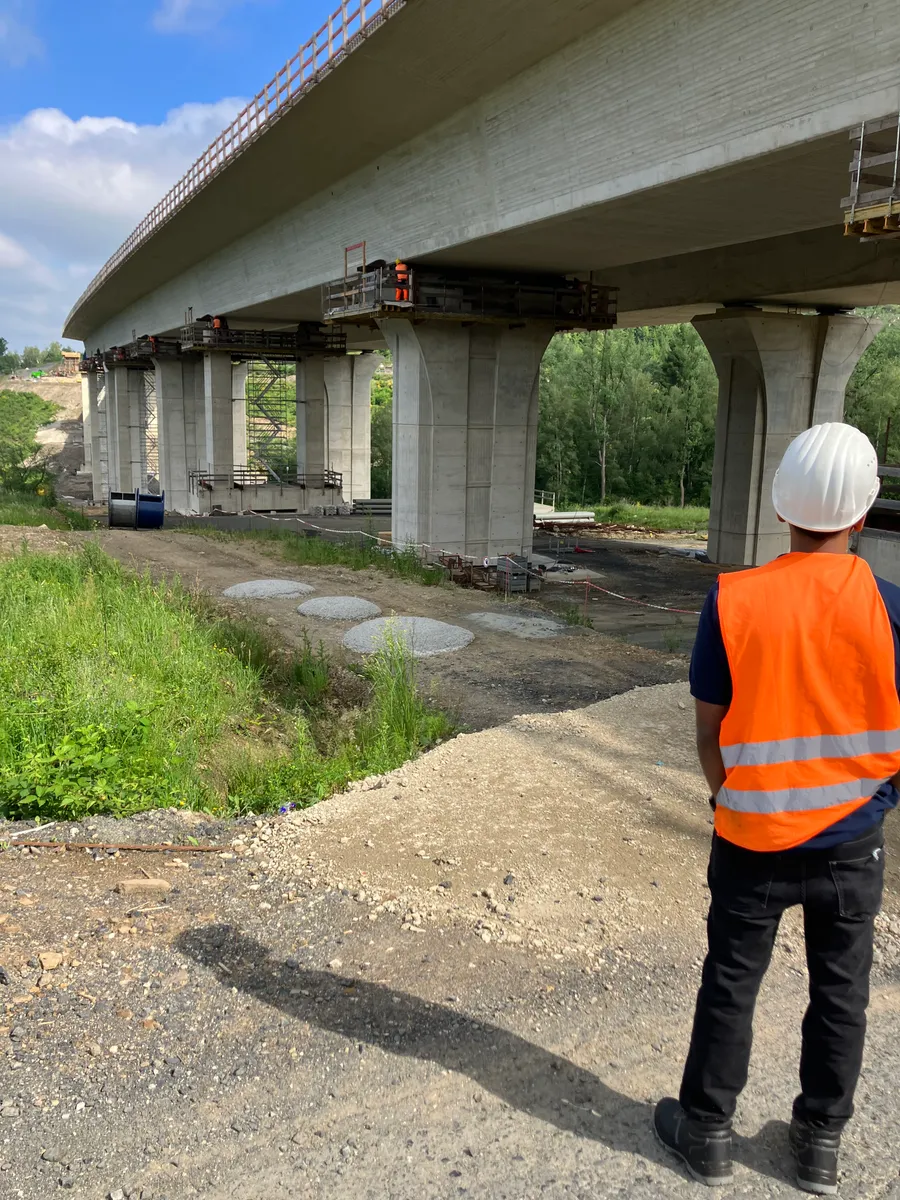
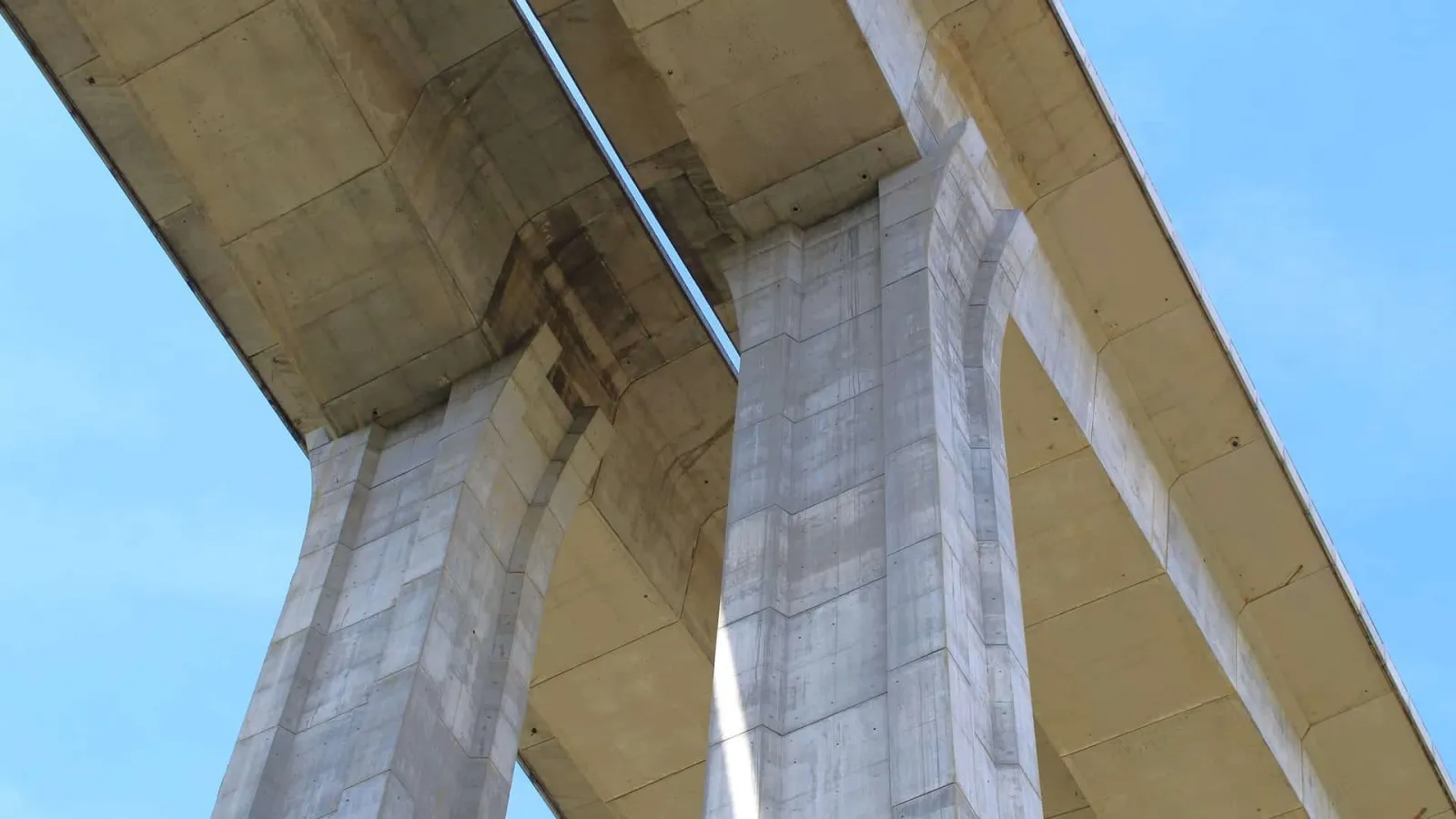
During launching, horizontal forces act on every pier head. The most important is the friction in the sliding bearings: the superstructure slides forward and drags the pier head a little way with it. Depending on the longitudinal gradient of the bridge, a share from the slope is added. The pier is fixed at the foundation and behaves like a cantilever. Its head is deflected in the launching direction, noticeably so on tall, slender piers. This pier head deflection, also referred to as pier top displacement, is what the monitoring tracks.
This deflection is accounted for in the design. It becomes critical when it turns out larger than assumed: because a sliding bearing starts to stick, friction is higher than expected or the superstructure moves off with a jolt. The stress in the pier then rises, above all at the fixed pier base, and in the worst case up to cracking.
On top of this, the situation changes with every segment. The superstructure gets longer, the tip reaches the next pier, the loads are redistributed. A pier that was unremarkable during the last launch can reach its limit during the next. And that is decided in the seconds while the jacks are pushing.
Solution
One live tilt sensor per pier, monitored every second
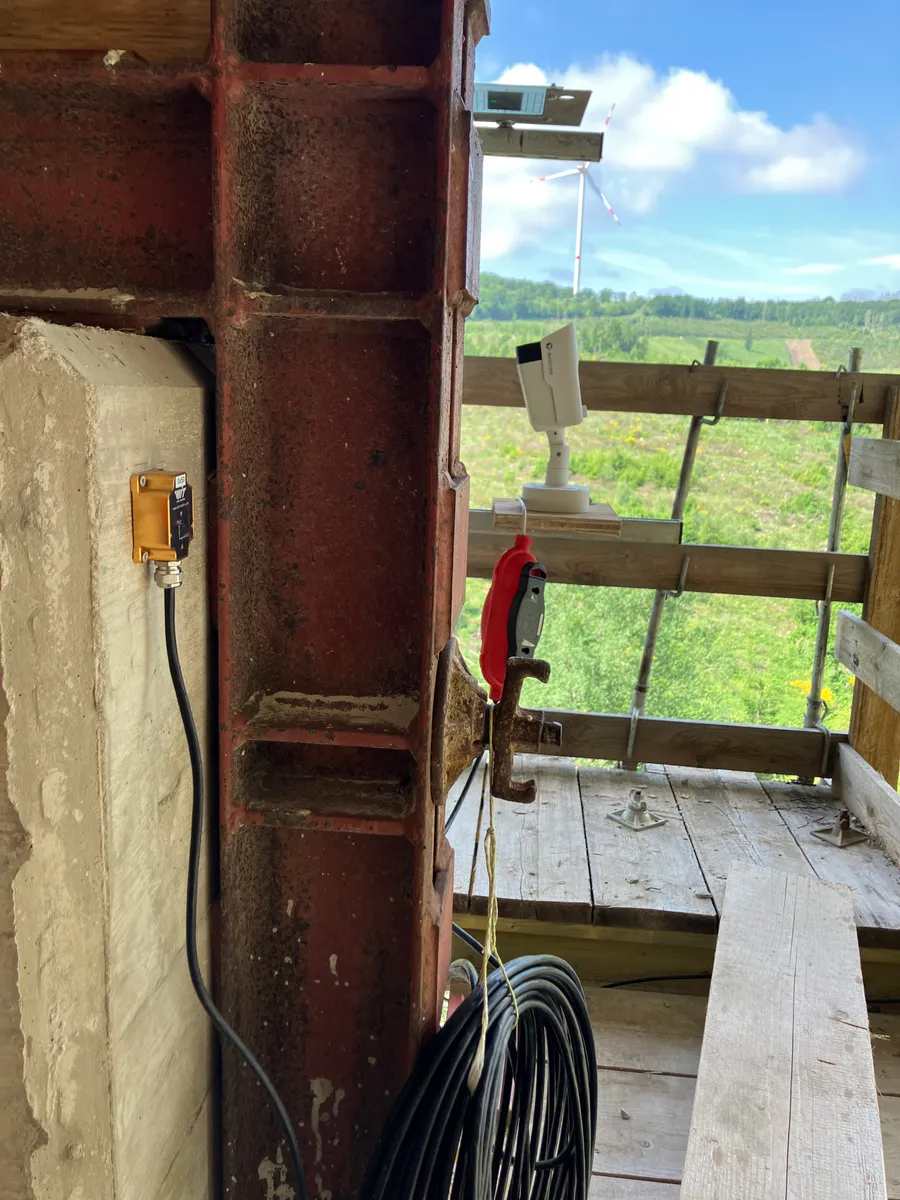
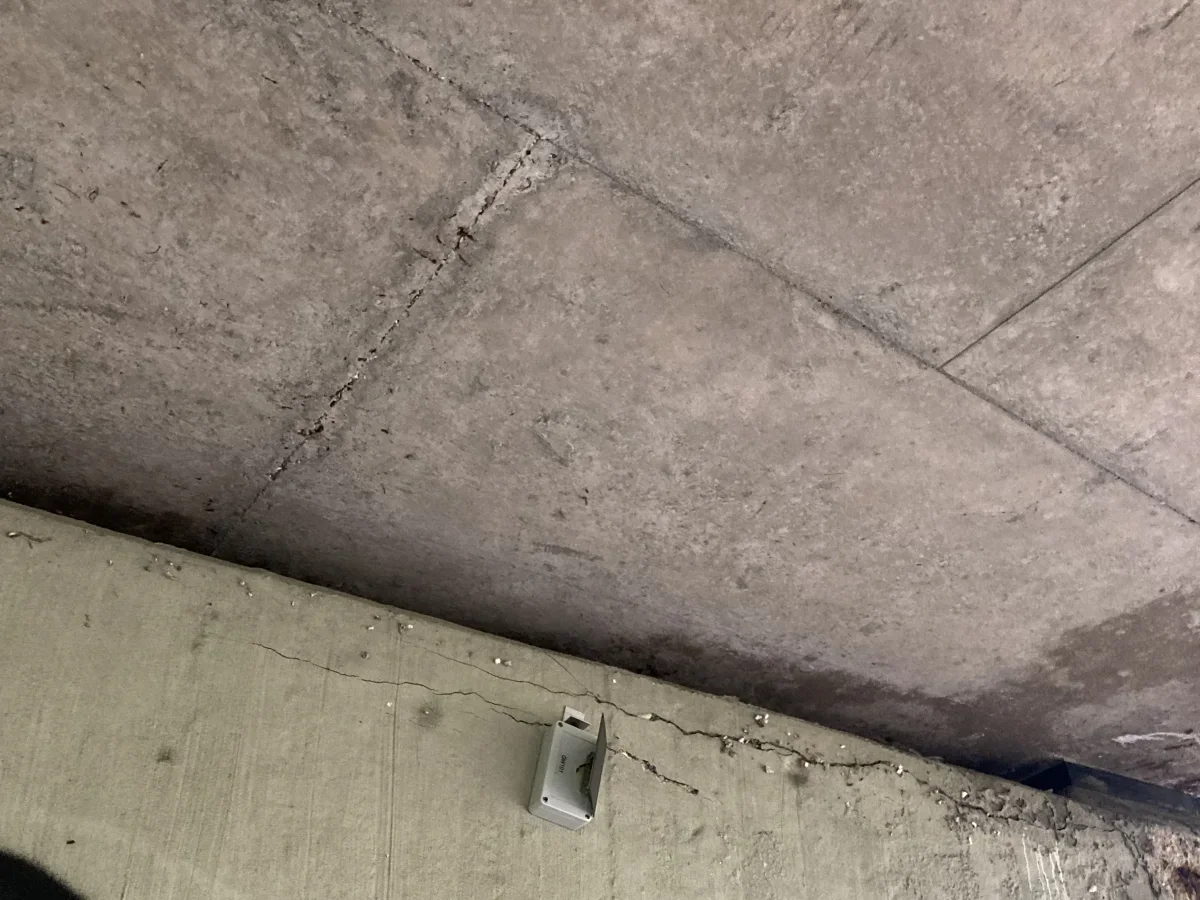
For this incremental launching monitoring, Infrasolute installed a live tilt sensor on every pier head. It measures the tilt of the pier head, and its change gives the deflection. All sensors are connected to the Infrasolute live gateway. The gateway transmits the readings to the data platform every second, throughout the entire launch.
On the platform, every value is checked immediately against the defined limits, graded into warning and alarm thresholds. If a limit is exceeded, the system raises an alarm automatically and without delay. The information is therefore available on site while the launch is still under way, not only at the next survey.
Result
Every segment launched with data rather than by eye
Throughout the incremental launching, the deflection of every pier was visible at every second. The site team could accompany each launch with readings instead of relying on visual checks and surveys between segments. At the same time, a complete record was created for every segment of how each pier behaved.
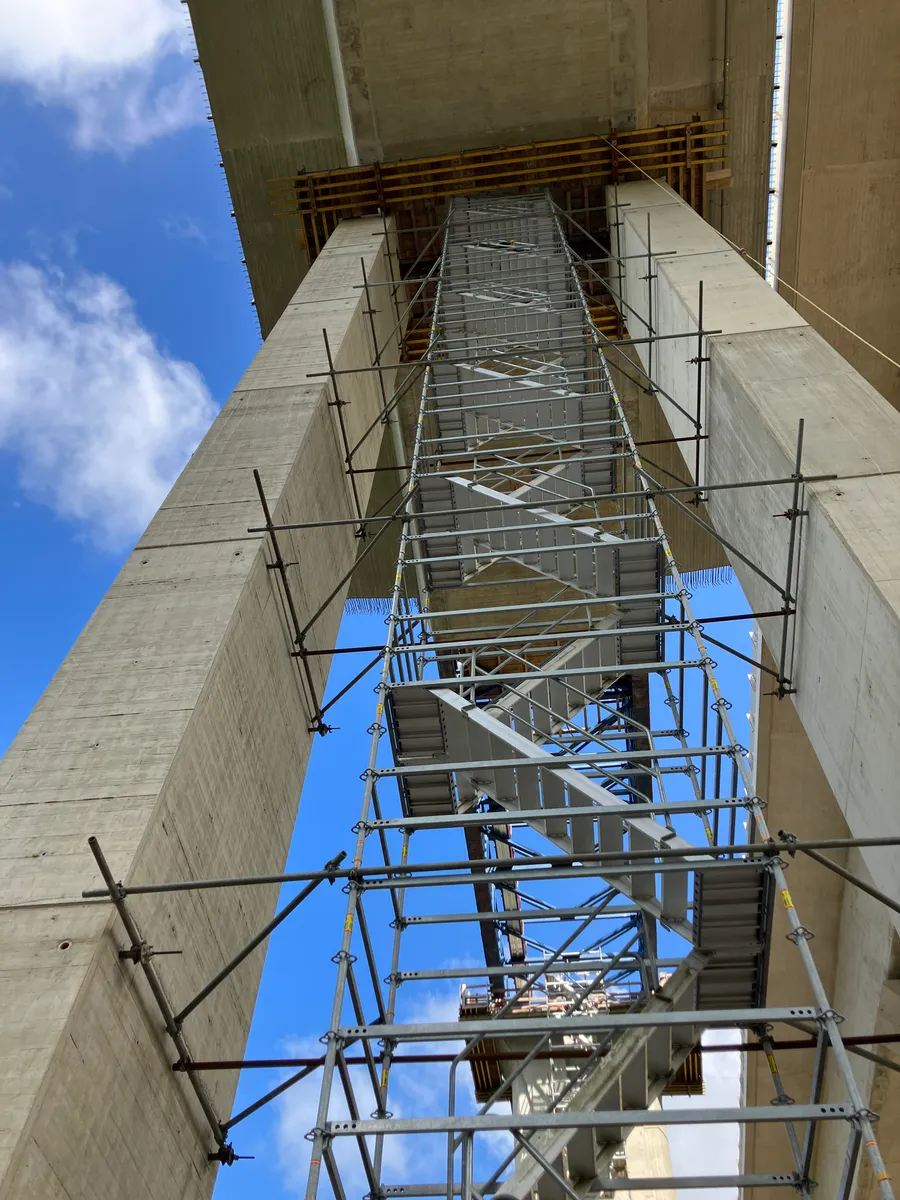
The project shows how tilt monitoring works in bridge construction as early as the construction phase. The sensor technology: the Infrasolute tilt sensor. How limits and the alarm chain are set up is described under Monitoring & Alerting; how the readings are evaluated, on the Infrasolute platform. For the bearings in later operation there is bridge bearing monitoring, and for the structure as a whole structural health monitoring.
Are you building by incremental launching, or do you have another construction phase in which piers, bearings or the superstructure need to be watched? Tell us about your project via the project inquiry.
Specifics
- Measuring interval
- Every second, live during every launch
- Measured quantity
- Tilt at the pier head as a measure of its deflection
- Alerting
- Automatic and immediate as soon as a limit is exceeded
- Benefit on site
- Every segment launched with data rather than by eye, fully documented
Related solutions & industry
Solutions matching this project
Infrasolute platform
How the readings from this project are evaluated
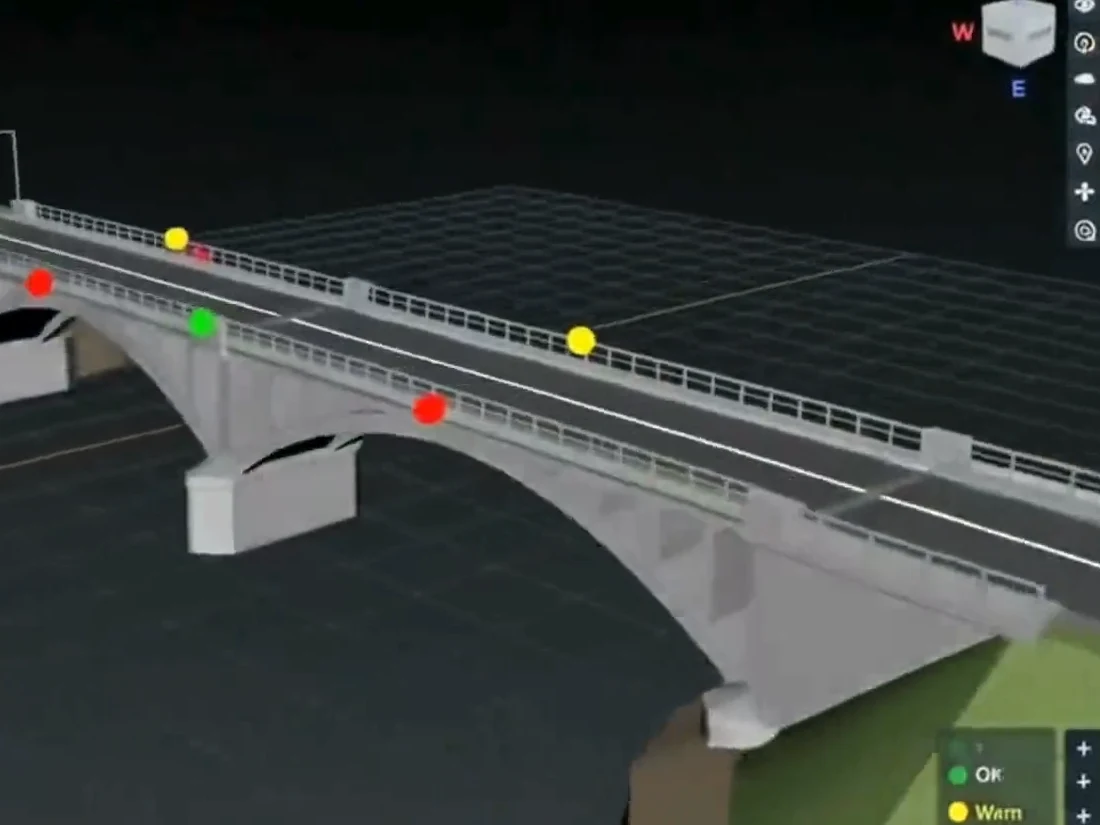
The readings from this project come together on the Infrasolute platform. There they are checked against the defined limits, shown as trends and interpreted with AI.
Platform modules
Frequently asked questions: Bramke Bridge
What is incremental launching?
Why do the pier heads deflect during launching?
How was the pier head deflection monitored on the Bramke Bridge?
Why is surveying between launches not enough?
Project inquiry
A comparable structure to monitor?
Describe your structure and your question. We recommend the right measuring points and suitable sensors.
 Christian Steffes

More projects
More references in bridges
Project inquiry
Tell us about your structure
Structure type, location and your question are enough to start. We recommend suitable measuring points and sensors.
+49 6742 8599600 DE +41 41 670 00 11 CH [email protected]